

Leading with Justice, Humanity, and a Vision for a Global Judicial Community
Justice Jacqueline Kamau has spent her career pursuing a simple but demanding ideal: justice must be delivered fairly, thoughtfully, and without losing sight of the people it serves.
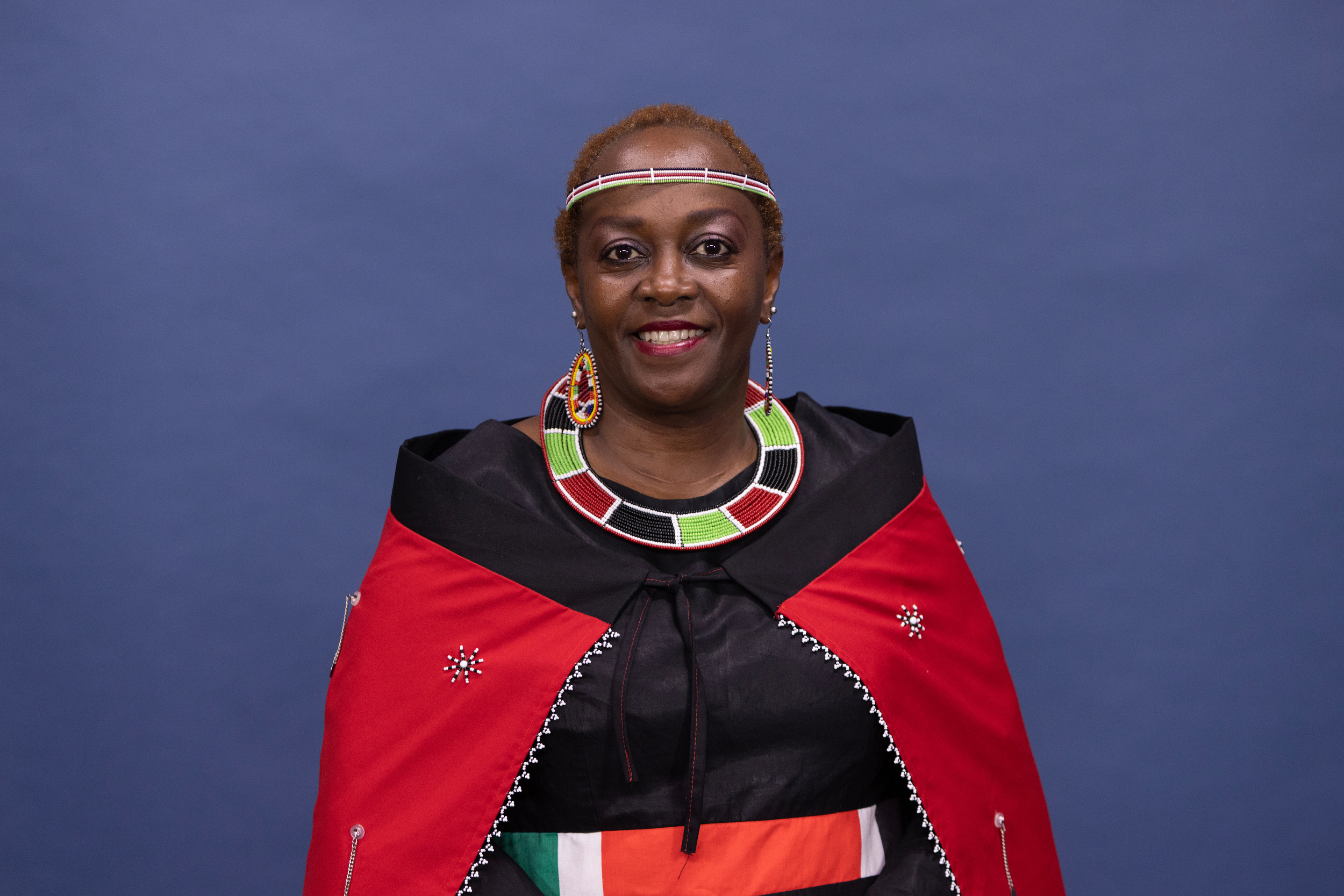
Today, as a Judge of the High Court of Kenya and President of the Presidential Precinct's Judicial Fellowship Program Alumni Association (JFPAA), she continues that work beyond her own courtroom—helping build a global community of judges committed to learning from one another, supporting one another, and strengthening the rule of law across borders. Her leadership is rooted in experience. Looking back on her judicial journey, Justice Kamau says the greatest lesson was not found in a single case, but in the daily responsibility of carrying the weight of justice.
Behind every written judgment are countless unseen hours of preparation, reflection, and deliberation. The public sees the decisions; few see the sacrifices that make those decisions possible. For Justice Kamau, judging is more than a profession—it is a calling that requires resilience, discipline, and an unwavering commitment to fairness. That perspective has also shaped one of the causes she champions most passionately: judicial well-being.
"Working as a judge is noble, and one must never tire of dispensing justice fairly and expeditiously despite the challenges."
When asked what advice she would offer judges beginning their leadership journey, her answer touches on legal doctrine but focuses on longevity. Early in her own career, she says, no one warned her about the cumulative effects of stress, the danger of burnout, or the importance of maintaining a healthy work-life balance. Judges devote themselves to caring for others, yet too often neglect their own well-being.
"Reaching out for help is often seen as a weakness," she reflects. "Fortunately, judicial well-being is now being taken much more seriously." It is a lesson she hopes the next generation of judicial leaders will embrace—not as an afterthought, but as an essential part of serving with integrity over a lifetime. As President of the JFPAA, Justice Kamau believes the Association has an equally important responsibility: ensuring that no judge has to navigate the profession alone.
She envisions an alumni network that serves as more than a directory of former Fellows. Instead, she sees a living community where judges exchange ideas, mentor one another, and draw strength from the remarkable diversity of judicial systems represented across the globe.
"This network has the potential to propel all of us to great heights as we serve our communities by upholding the rule of law."
With alumni representing senior judicial leadership across 24 countries, she believes the collective expertise within the Judicial Fellowship Program is one of its greatest assets—and one that is only beginning to be fully realized. That global perspective also informs how she views one of the judiciary's most pressing modern challenges. Across many countries, judges increasingly face public criticism, intimidation, and misinformation amplified through social media. While communication has evolved rapidly, judicial institutions have often remained bound by traditional approaches to public engagement.
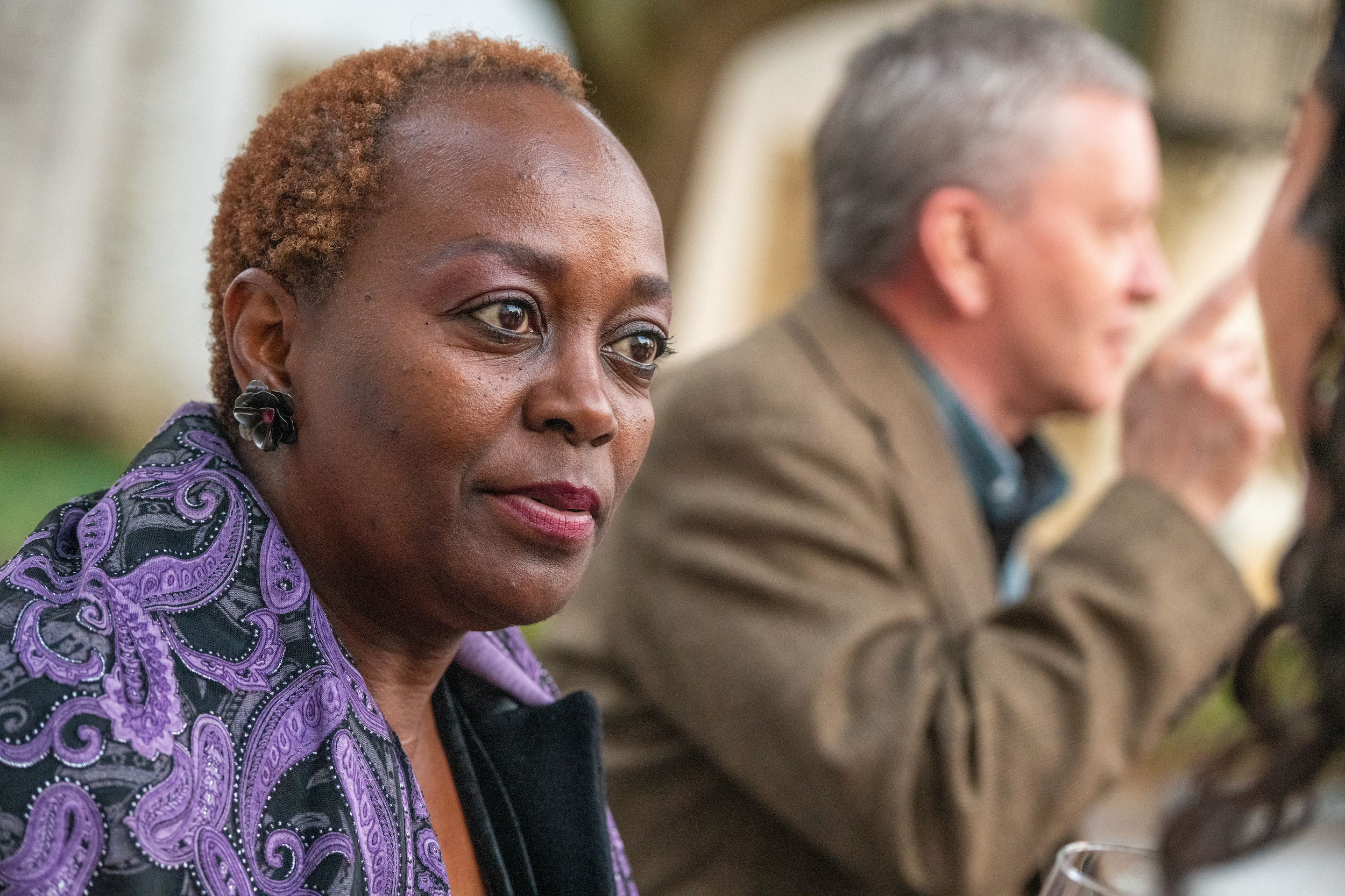
Justice Kamau believes international networks like the Judicial Fellowship Program can play an important role in supporting judges who find themselves under pressure. "There are many judges who feel intimidated but cannot speak out," she says. "Platforms like the JFP can ensure their well-being by being constant companions in what can sometimes feel like a lonely journey." For her, solidarity among judges does not mean interfering with judicial independence or legal processes. Rather, it means fostering a professional community where members know they are supported, understood, and never isolated in their commitment to justice.
Outside the courtroom, Justice Kamau continues to learn by teaching. Through tutoring, presenting papers at domestic and international conferences, and engaging with legal professionals from different jurisdictions, she has found that exchanging ideas strengthens both her confidence and her judicial decision-making. She sees conferences as a form of continuous professional education—an opportunity to keep pace with emerging jurisprudence, learn from other jurisdictions, and apply that evolving knowledge in her own decision-making. Watching former students go on to excel in mediation and arbitration remains one of the most rewarding aspects of her career.
Just as influential have been the communities she has served throughout Kenya. Having spent much of her judicial career working in rural communities, Justice Kamau has developed a deeper understanding of the social realities behind the cases that come before her. This understanding has helped her interrogate why people behave the way they do and consider the circumstances that shape their actions before reaching a decision.
That perspective brings a distinctly human dimension to her work. Rather than viewing a case only through the facts presented on the page, she considers the people, communities, and circumstances behind them—an approach that has enriched her judicial decision-making and, as she puts it, made her "more human" as a judge.
"I am able to interrogate why people behave the way they do before writing my decisions."
It is an approach that reflects the balance Justice Kamau strives to achieve throughout her career: rigorous legal analysis informed by empathy, experience, and humility. As the inaugural Fellow in Focus, Justice Jacqueline Kamau embodies what the Presidential Precinct's global alumni network aspires to be—a community of leaders who continue to learn, support one another, and strengthen judicial institutions long after the Fellowship ends.
Through the Judicial Fellowship Program Alumni Association, she hopes that every Fellow will find not only professional opportunities, but also trusted colleagues, lasting friendships, and a global network committed to advancing justice together.