

The Presidential Precinct and the U.S. Chamber of Commerce Foundation are proud to introduce the 2026 cohort of the Judicial Fellowship Program: distinguished judges and judicial leaders working to strengthen justice systems, uphold judicial integrity, and advance the rule of law in their countries and communities.
This fall, the Fellows will travel to Washington, D.C., and Virginia for an immersive two-week professional exchange. Through practical workshops, institutional visits, candid peer conversations, and engagement with leading members of the American legal community, they will explore the responsibilities — and possibilities — of judicial leadership.
Representing diverse legal traditions, courts, and regions of the world, the 2026 Fellows share a commitment to fair, effective, and independent justice.

Afia Owusuaa Appiah
Afia Owusuaa Appiah is a Justice of the High Court of Ghana with more than a decade of judicial experience. She began her judicial career as a Magistrate in 2016, later served at the Circuit Court, and was elevated to the High Court in 2024. Throughout her career, she has presided over criminal and civil matters in both general jurisdiction and specialized courts, including the Family Tribunal, Juvenile Court, and Land Court.
Before joining the judiciary, Appiah practiced law in private practice and completed legal internships with Ghana's Attorney General's Department and the Centre for Human Rights and Advanced Legal Research. She holds an LL.M. in International Law and Justice from Fordham University School of Law. Her professional interests include judicial integrity, accountability, human rights, and social justice, and she is an active member of several national and international judicial associations.
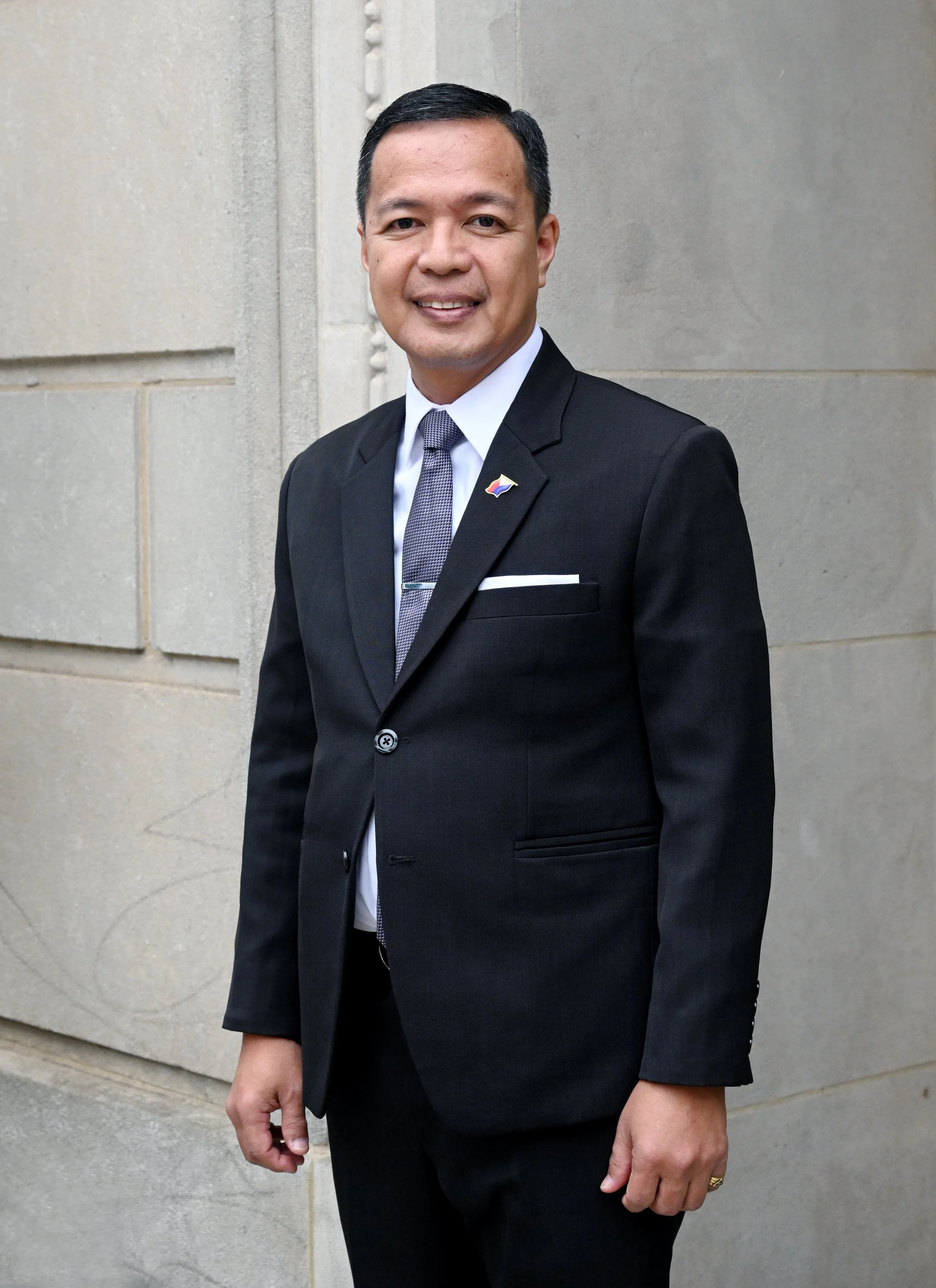
Bonhoefer Bernardez
Bonhoefer Bernardez serves as a Family Court Judge in the Philippines with more than 20 years of legal experience, including 13 years on the bench. During his judicial career, he has also served as Acting Presiding Judge for Special Commercial Courts and courts of general jurisdiction. Prior to his appointment, he worked as a public prosecutor for seven years and has remained committed to protecting constitutional rights and human rights throughout his career.
In 2023, Bernardez received recognition from the Integrated Bar of the Philippines for issuing a writ of amparo in a significant human rights case involving allegations of arbitrary detention and state abuse. He holds both LL.B. and LL.M. degrees, completed Harvard Law School Executive Education's inaugural Judicial Executive Leadership program in 2024, and is also a trained commercial arbitrator, law educator, and advocate for integrating mindfulness into judicial leadership.
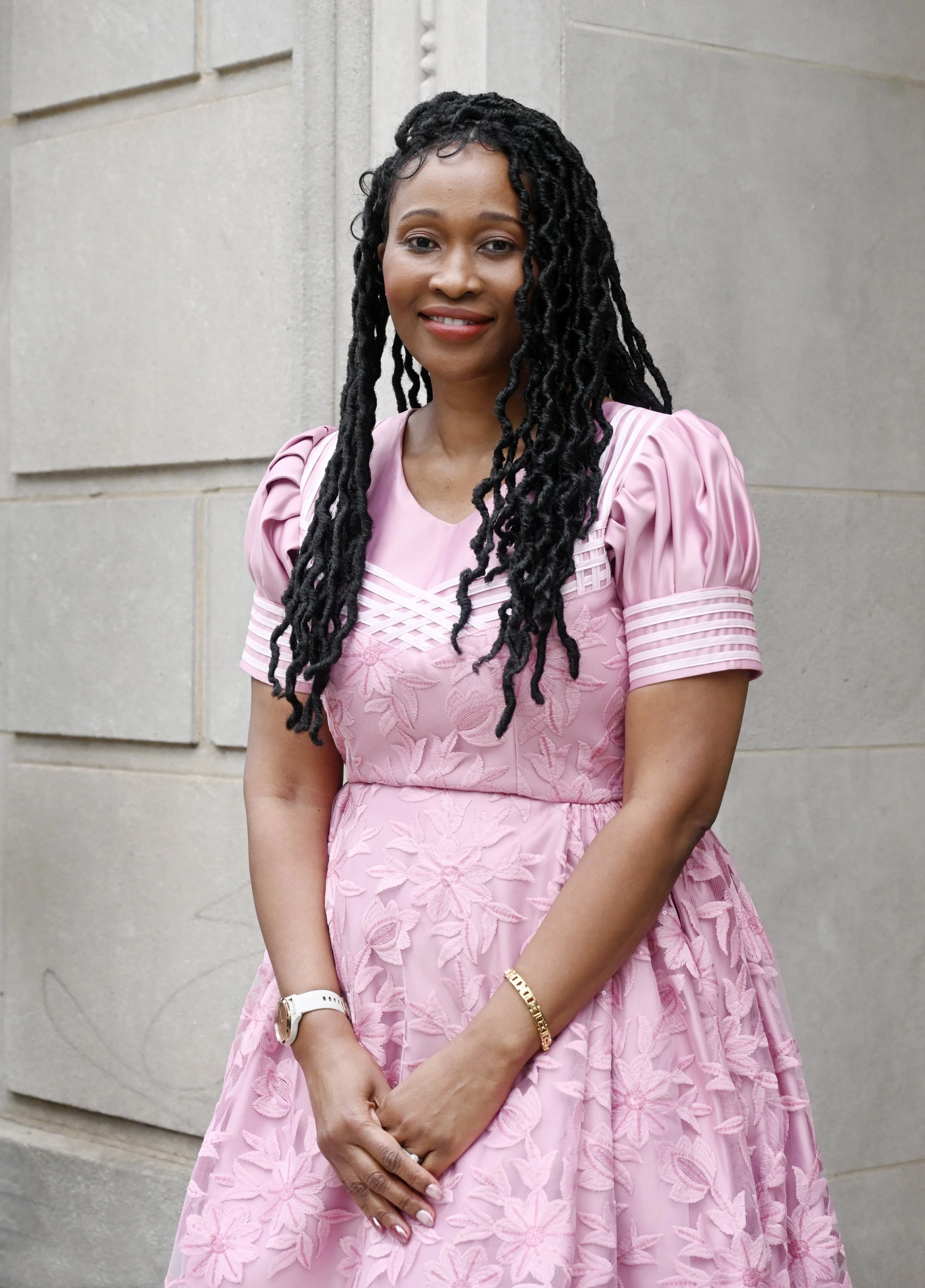
Bubile Lungu Shonga
Bubile Lungu Shonga serves in the Commercial Division of the High Court of Zambia in Lusaka. Appointed in 2016, she was the 1st Resident Judge in Kitwe tasked with operationalizing the Commercial Court to bring justice closer to business. Her 20-year legal career prior to joining the bench spans Deloitte & Touche, private practice, and corporate roles at the Bank of Zambia and Lafarge South-East Africa.
Bubile holds an LLB from the University of Zambia and an LLM from the University of Nottingham as a Commo nwealth Scholar. She is an active member of the Zambia Association of Women Judges and the International Association of Women Judges, and previously chaired ZAWJ’s Education Committee. She also serves as a Lead Trainer of Trainers and is a member of the Chief Justice’s Advisory Committee on Public Relations.

Cristina Lombana
Cristina Lombana is a Magistrate of the Instruction Chamber of the Supreme Court of Justice of Colombia, where she oversees criminal investigations involving members of Congress. In this role, she directs the pre-trial phase of complex proceedings while ensuring due process, judicial independence, and adherence to constitutional principles.
Lombana holds a law degree from the Pontificia Universidad Javeriana in Bogotá and master's degrees in Criminal Law, Public Administration, and Human Rights. Her career reflects a strong commitment to institutional integrity, rigorous legal analysis, and the protection of fundamental rights. Her professional interests include criminal procedure, judicial decision-making, legal ethics, public governance, and the role of high courts in strengthening democratic institutions.
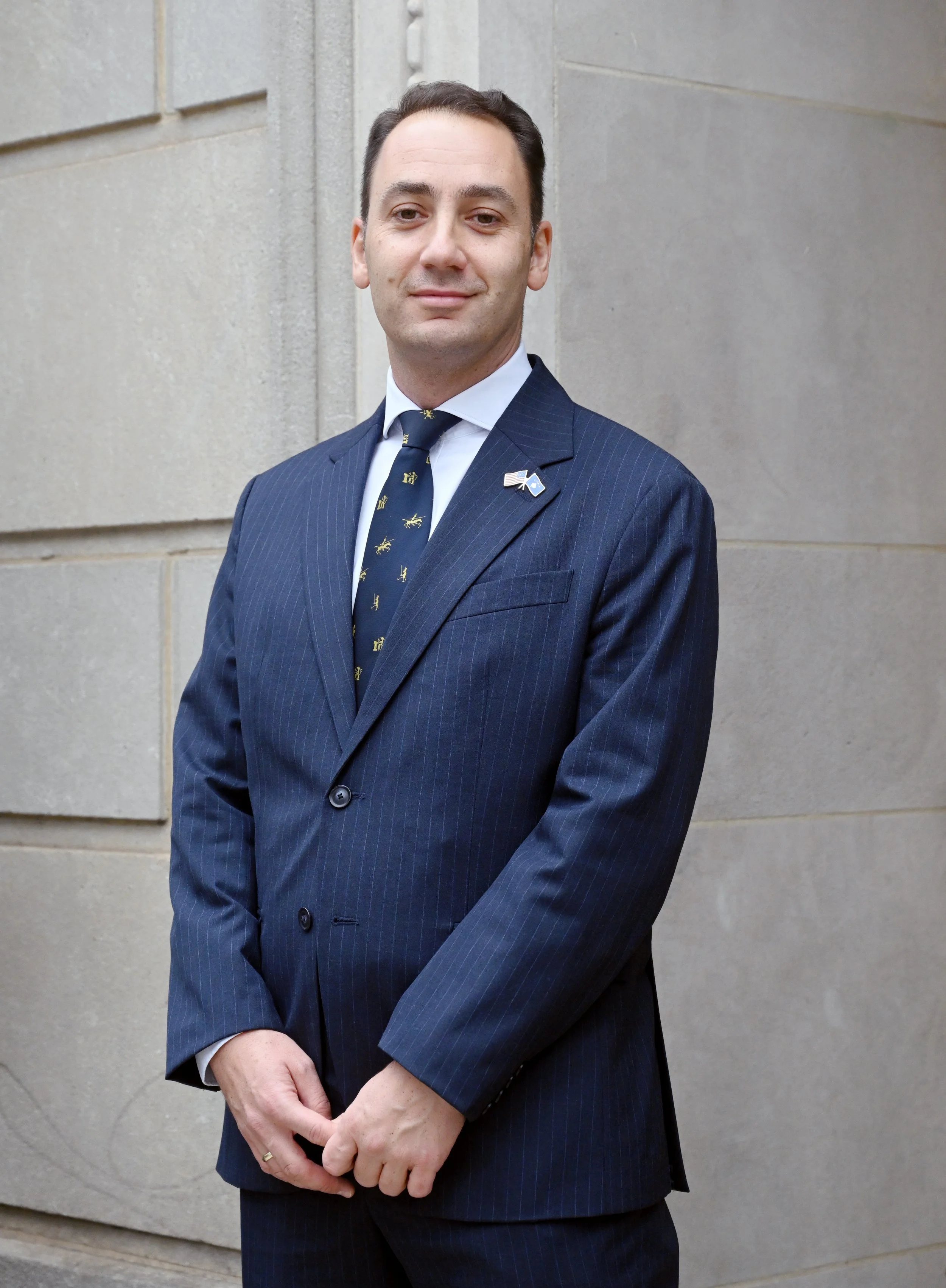
Dren Rogova
Dren Rogova is a Judge at the Commercial Court of Kosova, serving in its Second Instance Chambers. Previously, he served as a Judge in the Civil Law Department of the Basic Court of Prishtina and as Vice-President of the Court. Earlier in his career, he practiced as an attorney and served as a legal advisor to international organizations in Kosovo.
Throughout his career, Rogova has contributed to legislative initiatives and rule of law reforms in Kosovo, including the draft Civil Code, private enforcement reform, and mediation. He also supported the Judicial Council, the country’s highest oversight body responsible for safeguarding the independence and impartiality of the judicial system. Rogova holds an LL.M. from Karl Franzens University of Graz in Austria and has contributed to several publications on judicial reform, with a particular focus on judicial vetting.
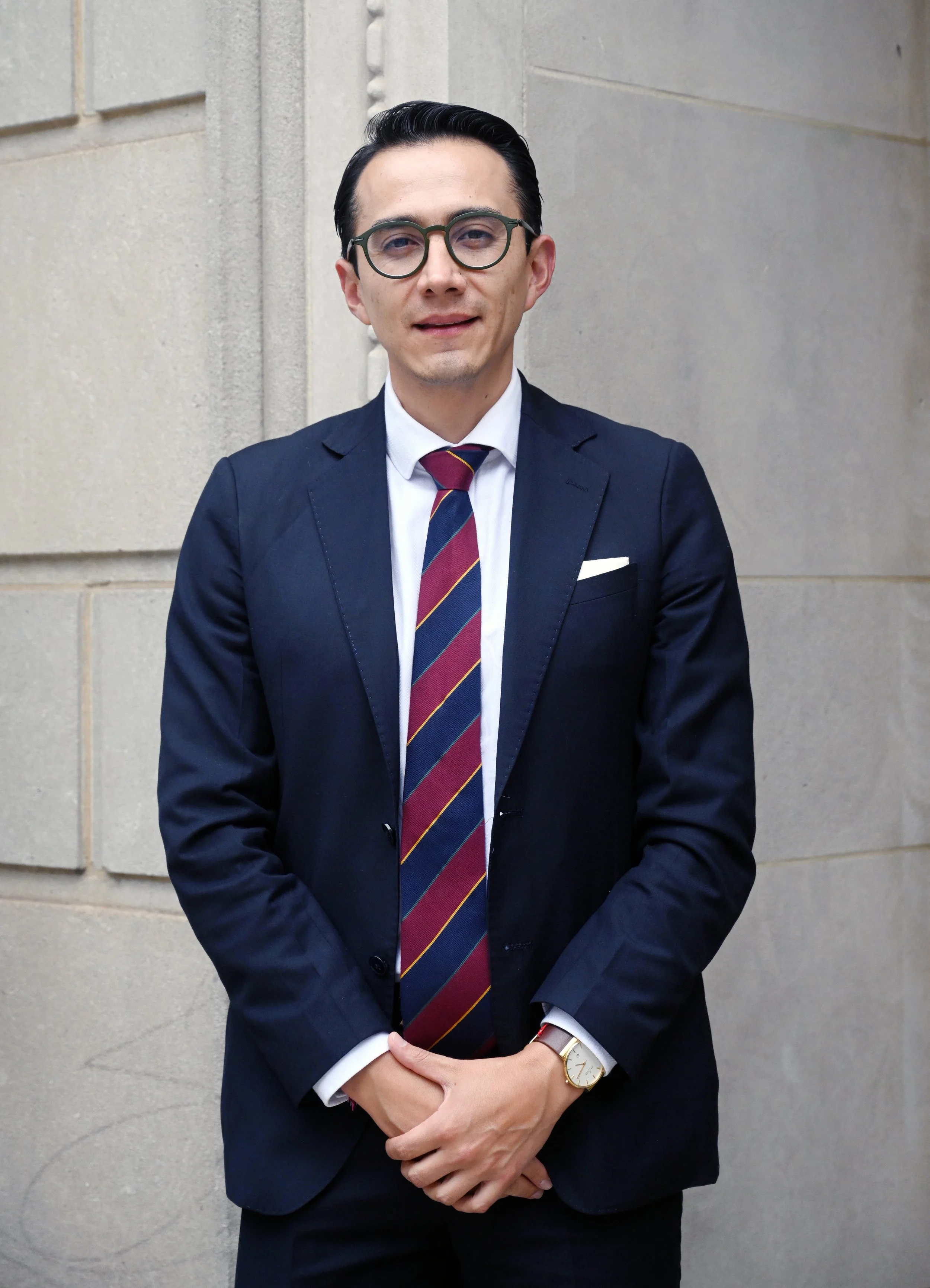
Esteban Coronel Ojeda
Esteban Coronel Ojeda serves as a Judge of the Criminal Chamber of the Provincial Court of Pichincha, Ecuador, where he has national jurisdiction over corruption and organized crime cases. Before joining the bench, he spent more than a decade as a Human Rights Prosecutor with Ecuador's Office of the Attorney General, developing extensive experience in complex criminal investigations.
Coronel Ojeda holds a Ph.D. in Human Rights, Democracy, and Justice from the University of Valencia, along with master's degrees in Criminal Law, Complex Criminality, and Human Rights. He is also a professor, researcher, and author whose scholarship focuses on crimes of power, criminal procedure, evidence law, and human rights. His work bridges judicial practice and academic research in pursuit of accountability and the rule of law.
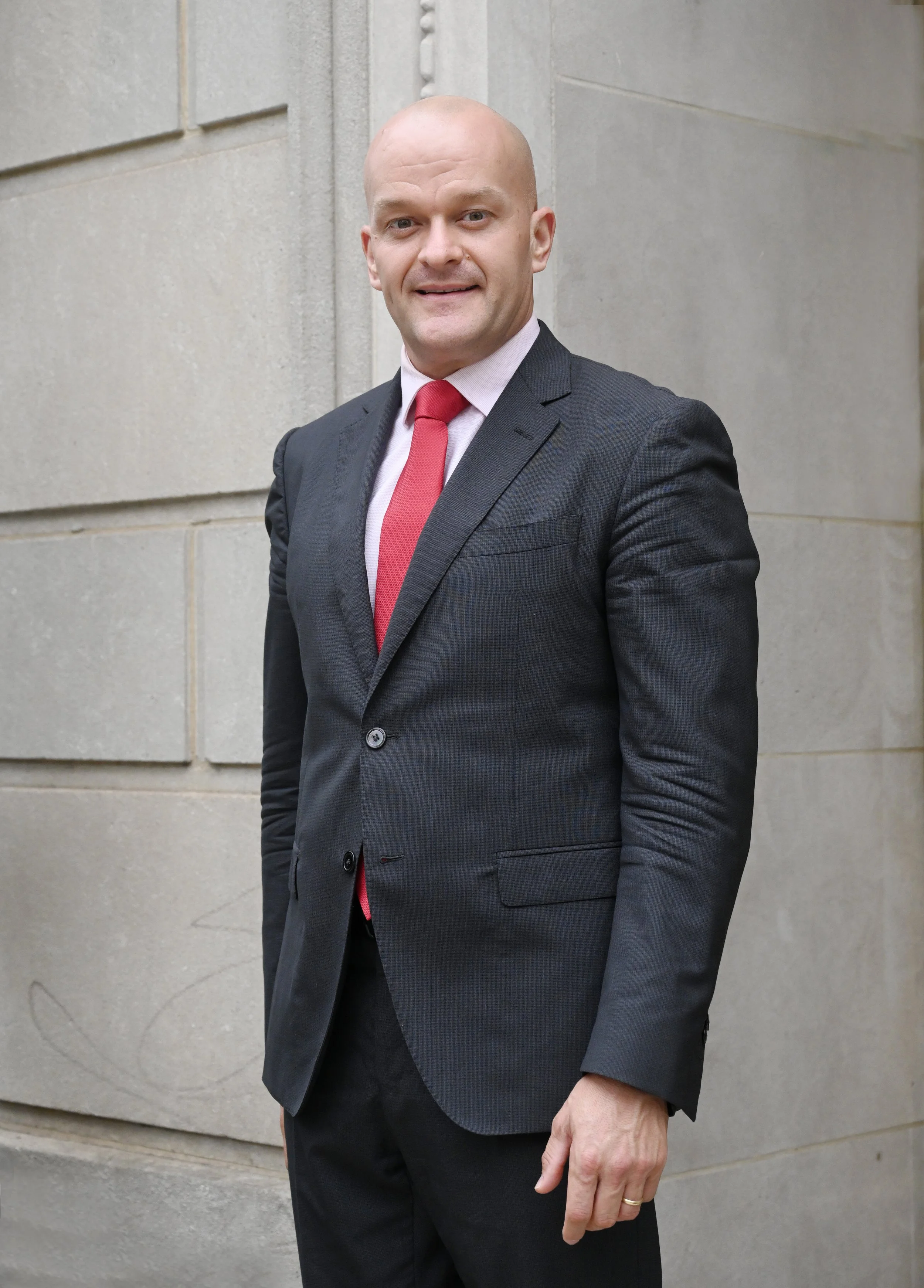
Florjan Kalaja
Florjan Kalaja is a Judge of Albania's Special Court of Appeal against Corruption and Organized Crime. Since entering the judiciary in 2010, he has served in trial, appellate, and Supreme Court roles, including appointments as a law clerk to the Supreme Court, advisor to the Council of Appointments in Justice, and judge in both civil and criminal matters.
Alongside his judicial service, Kalaja has been deeply involved in legal education for more than a decade, teaching civil and criminal procedure at universities and the Albanian School of Magistrates while contributing to judicial training nationwide. He has also participated in drafting key judicial legislation and is the author of numerous books and scholarly publications on constitutional law, judicial reform, and criminal and civil procedure.
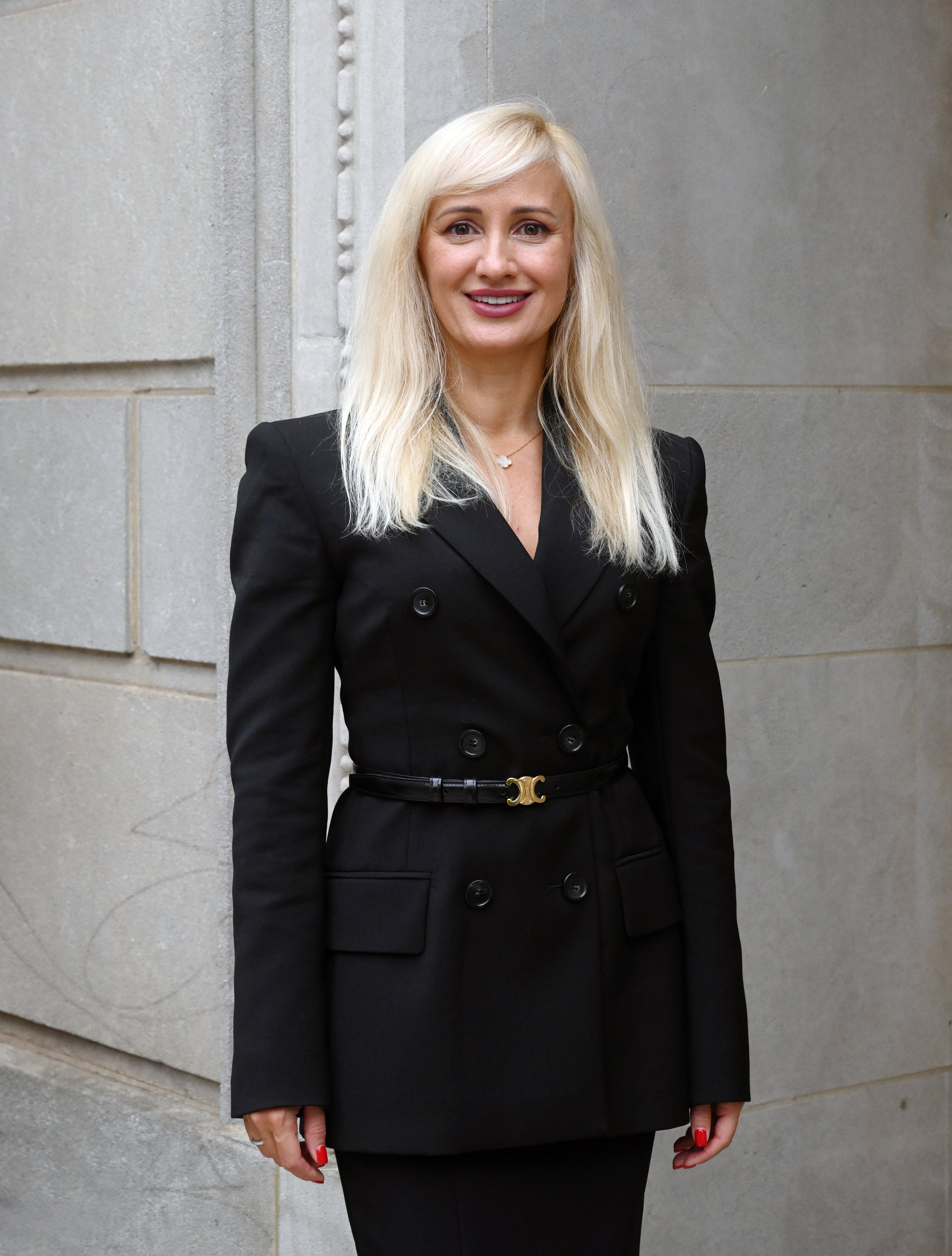
Hanna Lebedieva
Hanna Lebedieva is a Judge of the Odesa Regional Administrative Court in Ukraine and a Trainer at the National School of Judges of Ukraine. She brings more than 20 years of judicial experience, including over 14 years on the bench. Previously, she served as a judge of the Mykolaiv Regional Administrative Court, where she also promoted judicial transparency and public trust as Judge Speaker and a board member of the Judges Association of Ukraine.
Lebedieva holds a Ph.D. in Law from the National University "Odesa Law Academy," an LL.M. in Mediation from Mykolas Romeris University in Lithuania, and master's degrees in Law and Economics. Her professional interests include judicial independence, administrative justice, mediation, human rights, and strengthening resilient judicial institutions through ethical leadership and international cooperation.
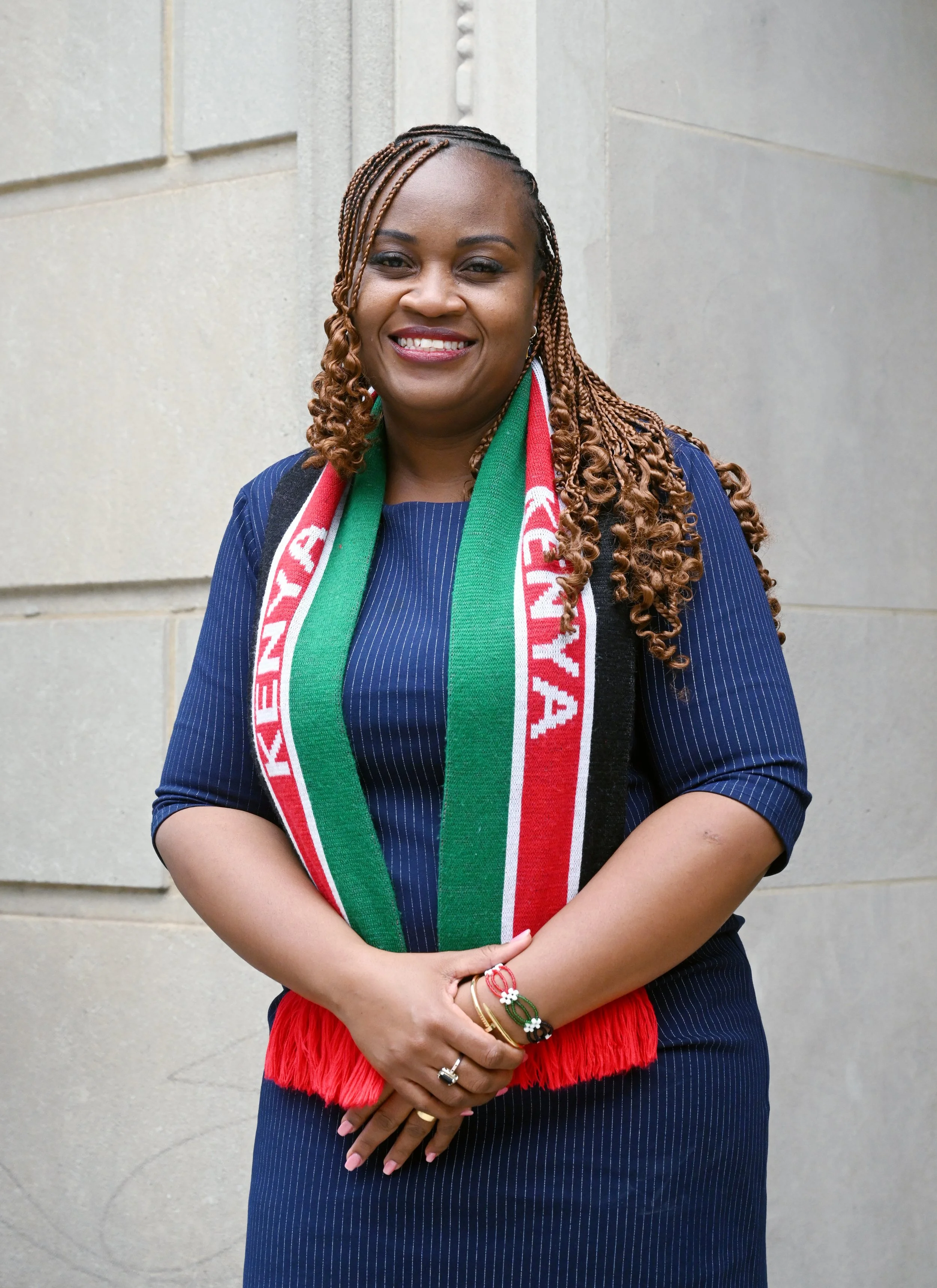
Irene Marcia Kahuya
Irene Marcia Kahuya is a Senior Principal Magistrate in the Judiciary of Kenya with more than 15 years of judicial experience. Since joining the judiciary in 2010, she has served at five court stations and earned recognition for advancing access to justice, particularly for vulnerable communities and survivors of sexual and gender-based violence. She currently serves as a Council Member of the International Association of Women Judges–Kenya Chapter.
Kahuya has led several innovative justice initiatives, including chairing the Gender Justice Court Users Committee following the launch of Kenya's Kibera Gender Justice Court. She is also the founder of the Wings of Hope rehabilitation program and creator of the Rays of Hope psychosocial support initiative for survivors of gender-based violence. Her work has been recognized through speaking engagements and international forums focused on gender justice, survivor-centered approaches, and women in detention.
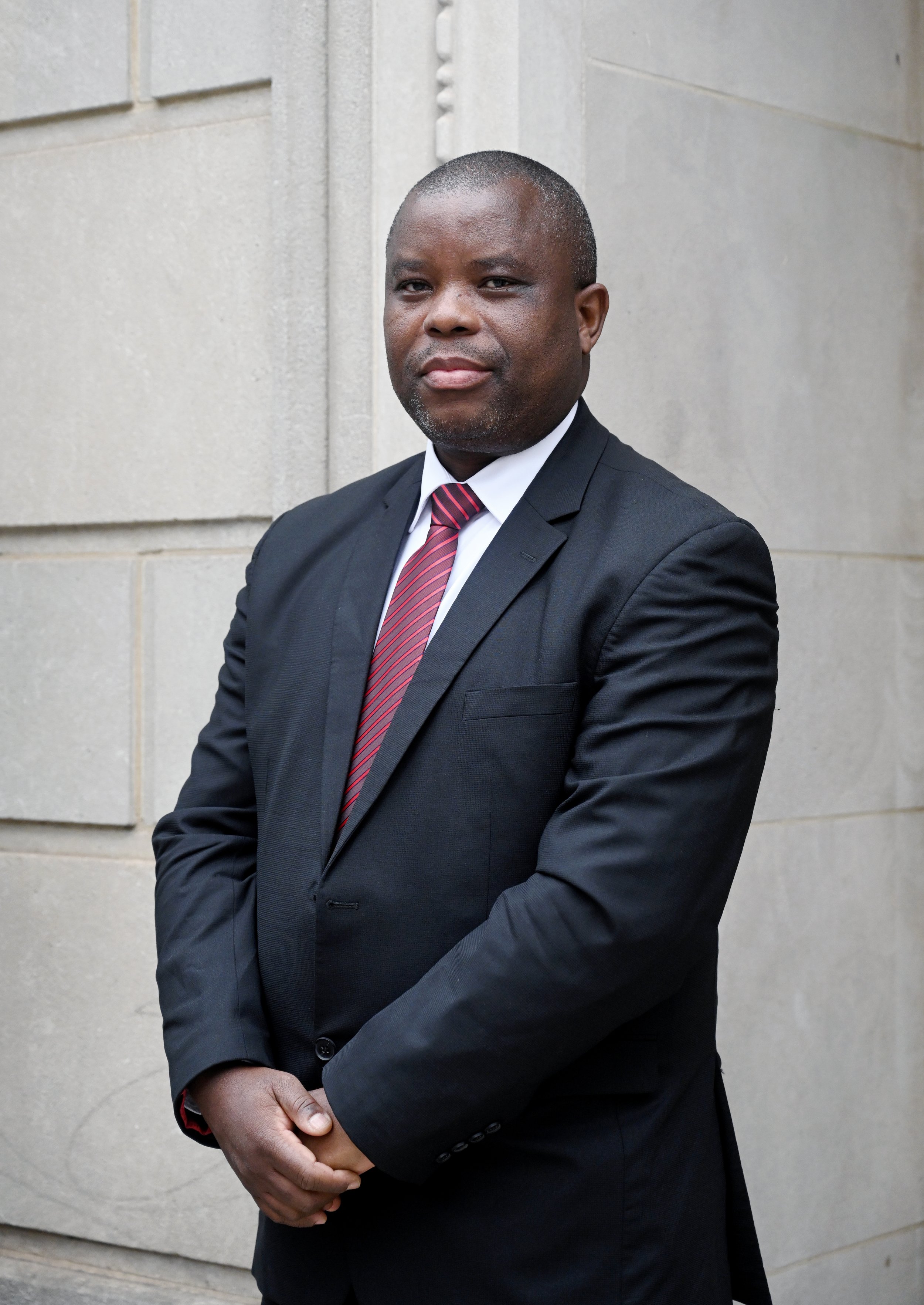
Joseph Chigona
Joseph Chigona serves as Judge-in-Charge of the Revenue Division of the High Court of Malawi and is a member of the Judiciary Committee on Elections. Since joining the judiciary as a Senior Resident Magistrate, he has held several leadership positions, including Registrar of the Supreme Court of Appeal and High Court, before being appointed to the High Court in 2016.
Chigona also chairs the Malawi Judiciary Development Programme and the Judiciary's Budget, Finance and Audit Committee, overseeing key institutional development initiatives. He holds a Bachelor of Laws from the University of Malawi, a master's degree in Anti-Corruption Studies from the International Anti-Corruption Academy, and a postgraduate diploma in Alternative Dispute Resolution. His professional interests include judicial administration, anti-corruption, commercial mediation, and strengthening judicial institutions.

Laura Flores
Laura Flores is the first Environmental Judge of Jujuy Province, Argentina, appointed in 2019 through a competitive merit-based selection process. She leads the province's specialized environmental court, overseeing complex civil and criminal cases involving environmental damage, collective rights, natural resources, and climate-related issues. Her court is recognized for integrating scientific expertise and participatory assessments into judicial decision-making, particularly in cases involving Indigenous and rural communities.
Flores has trained more than 1,400 judicial employees and public officials under Argentina's Ley Yolanda environmental education program and leads sustainability and community outreach initiatives within the judiciary. She has completed specialized training at the Yale School of the Environment and the University of Freiburg and currently serves as Vice President of the College of Magistrates and Judicial Officials of Jujuy and as a member of the Executive Board of the Argentine Federation of Magistrates.

María Valdés Leal
María Valdés Leal serves on a specialized collegiate circuit court for competition, broadcasting, and telecommunications in Mexico. She is a member of the first generation of judges elected by popular vote following Mexico's 2024 constitutional reform. Before joining the bench, she served as a Senior Law Clerk and Legal Advisor at the Supreme Court of Justice of the Nation, where she worked on landmark constitutional cases involving energy, telecommunications, environmental protection, freedom of expression, and gender equality.
Valdés Leal has taught at Mexico's Federal Judicial Training School and currently teaches Constitutional Law at the Center for Research and Teaching in Economics (CIDE). She has contributed to academic publications on human rights and is committed to advancing gender equality, strengthening democratic institutions, and promoting a judiciary that is accessible, transparent, and people-centered.

Markiyan Halabala
Markiyan Halabala is a Judge of the High Anti-Corruption Court of Ukraine. Since joining the court in 2019, he has presided over complex anti-corruption matters following a legal career that included private practice and work on high-profile cases. He also contributed as an expert to projects supported by USAID, the European Union, and the OECD.
Halabala holds a Ph.D. in Law and has focused his career on strengthening judicial integrity, accountability, and the rule of law. His experience combines judicial service, legal practice, and international cooperation on justice sector reform.
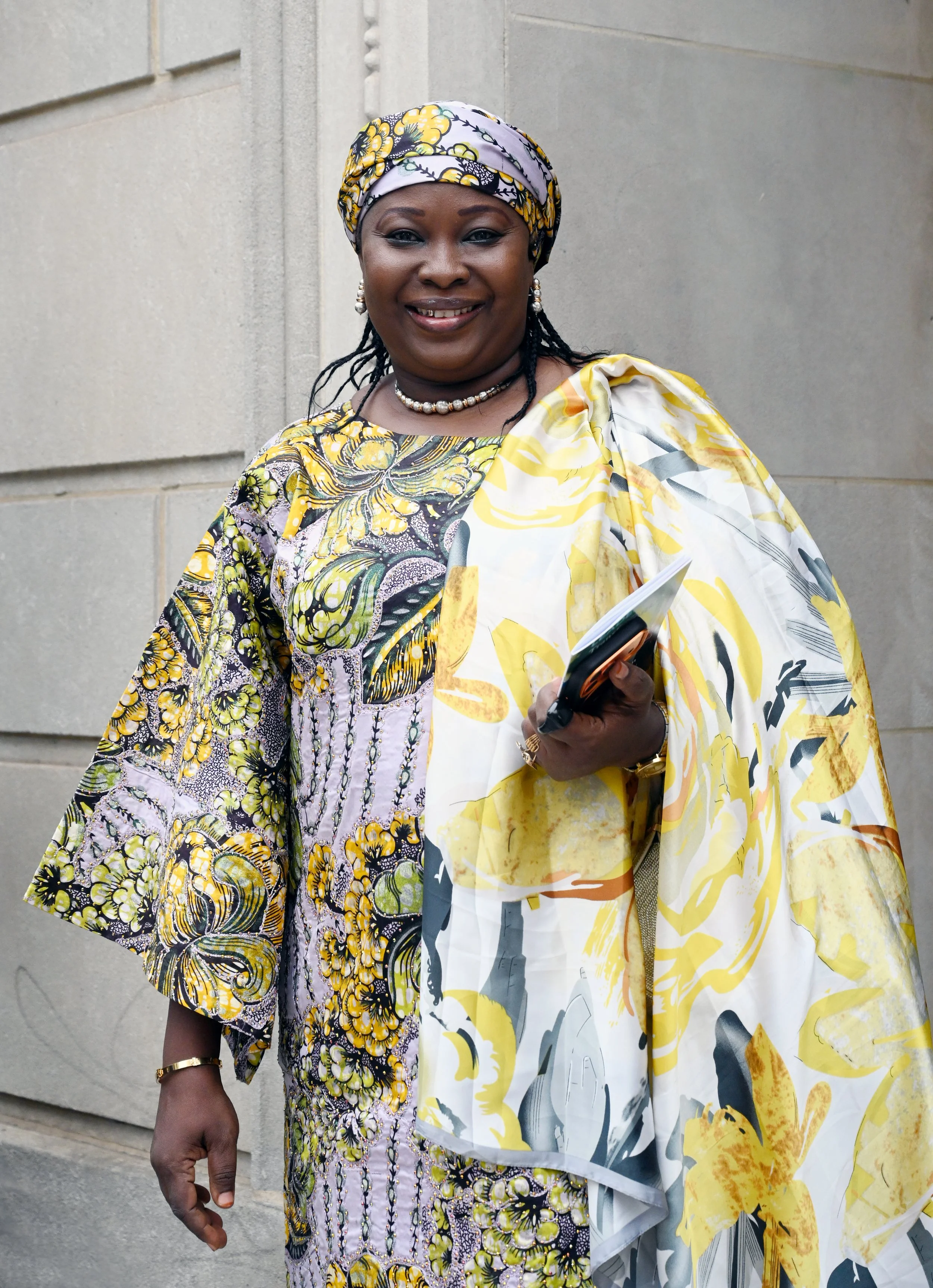
Maryam Hassan
Maryam Hassan serves as a Judge of the Federal Capital Territory of Abuja, Nigeria, bringing about 19 years of judicial experience to the Judicial Fellowship Program. Appointed to the High Court Bench in 2020, Maryam presides over complex civil and criminal matters and is known for her commitment to quick dispensation of cases.
Hassan her Master Degree in law from the Usmanu Danfodiyo University, Sokoto, prior to which she practiced and trained in a law firm involved in cases of Islamic jurisprudence and family law.
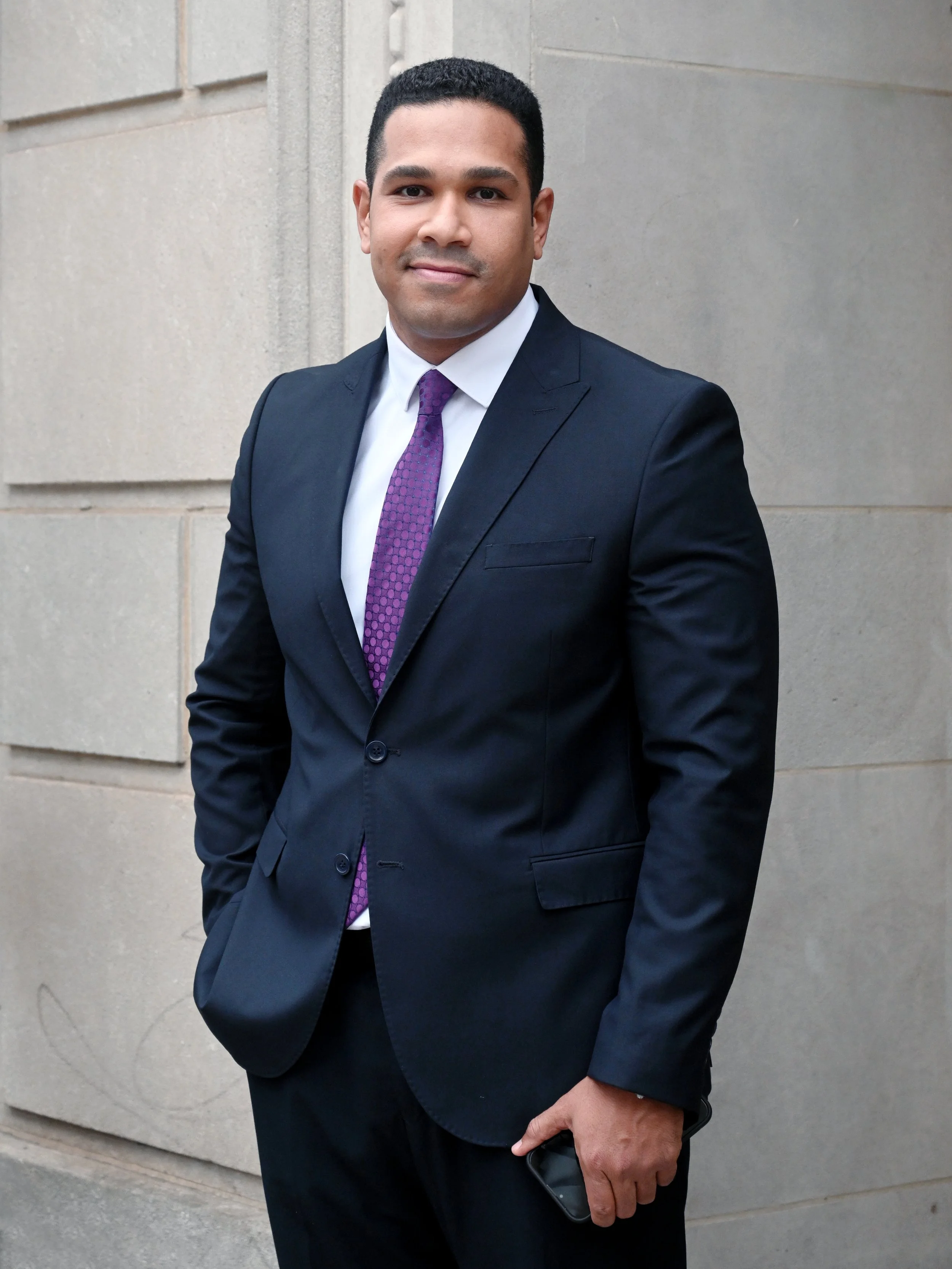
Mohamed Bakry
Mohamed Bakry is a Judge at the Technical Bureau of the Egyptian Court of Cassation with more than 12 years of experience across Egypt's justice system. His career has included service in the Public Prosecution Office, civil and commercial courts, the Economic Court, and the Court of Cassation, providing broad expertise in commercial law, arbitration, and judicial decision-making.
Bakry earned an LL.M. in Intellectual Property and Competition Law from the University of Augsburg as a DAAD Scholar and holds postgraduate diplomas in International Commercial Law and Governance and Anti-Corruption. In addition to his judicial responsibilities, he teaches Business Law, serves as an Associate Editor of the International Journal of Doctrine, Judiciary, and Legislation, and has published extensively on arbitration, commercial law, and the jurisprudence of Egypt's highest court.
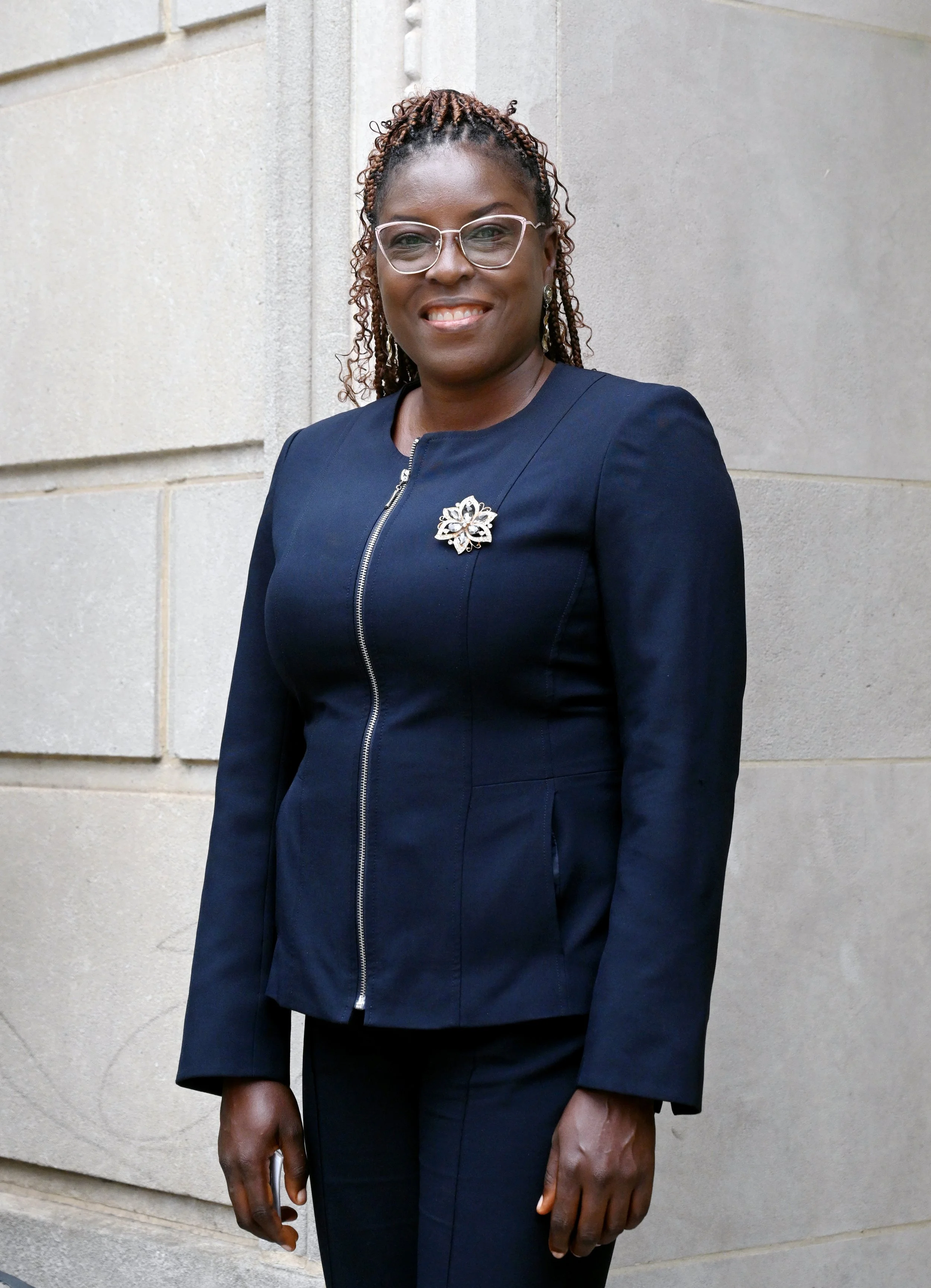
Ngulle Anita Dione
Ngulle Anita Dione serves as President of the High Court of Momo and the Court of First Instance in Mbengwi, Cameroon. Her judicial career has included service as Deputy State Prosecutor, Examining Magistrate, High Court Judge, and Vice President of the Military Tribunal in Bamenda before assuming her current leadership role.
Dione is committed to protecting human rights, with a particular focus on women and girls affected by the ongoing socio-political challenges in Cameroon. She has participated in numerous national and international seminars and judicial exchanges dedicated to strengthening human rights, judicial leadership, and access to justice.
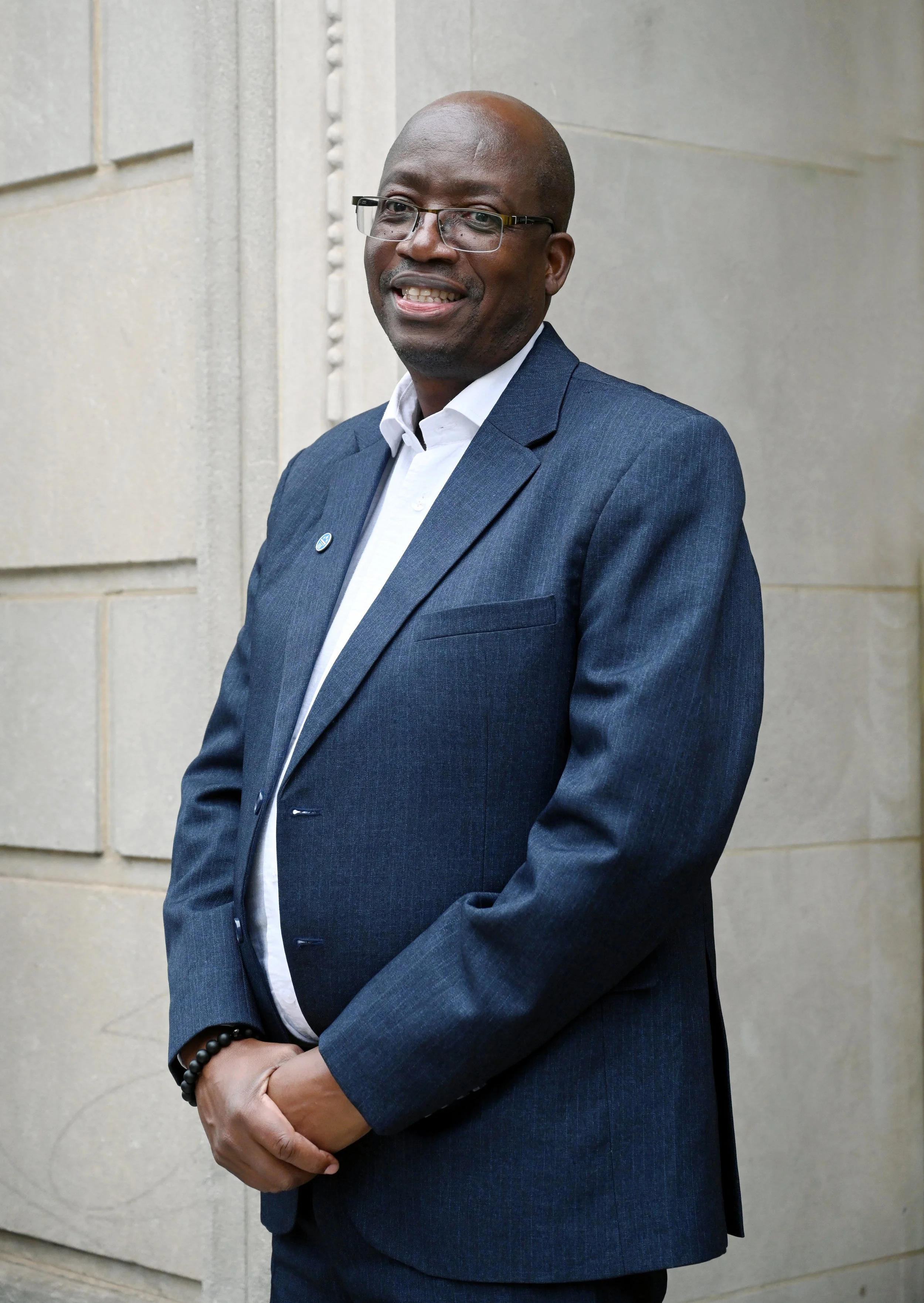
Oagile Dingake
Oagile Dingake serves on the Supreme and National Courts of Papua New Guinea and has previously served on the courts of Botswana, Seychelles, and the Residual Special Court for Sierra Leone. A distinguished jurist and scholar, he holds degrees from the University of Cape Town, the University of London, and the University of Botswana, and has taught at universities in Africa, Australia, and the Philippines.
Dingake is the author of numerous books and scholarly publications focusing on human rights, gender justice, and HIV law. He currently serves as President of the Africa Regional Judges Forum on HIV/TB and Co-Chair of the African Think Tank on HIV, Health, and Social Justice. In 2019, he became the first African judge selected as Beatty Jurist in Residence at Southern Illinois University School of Law and is Botswana's nominee for election to the International Court of Justice for the 2027–2037 term.
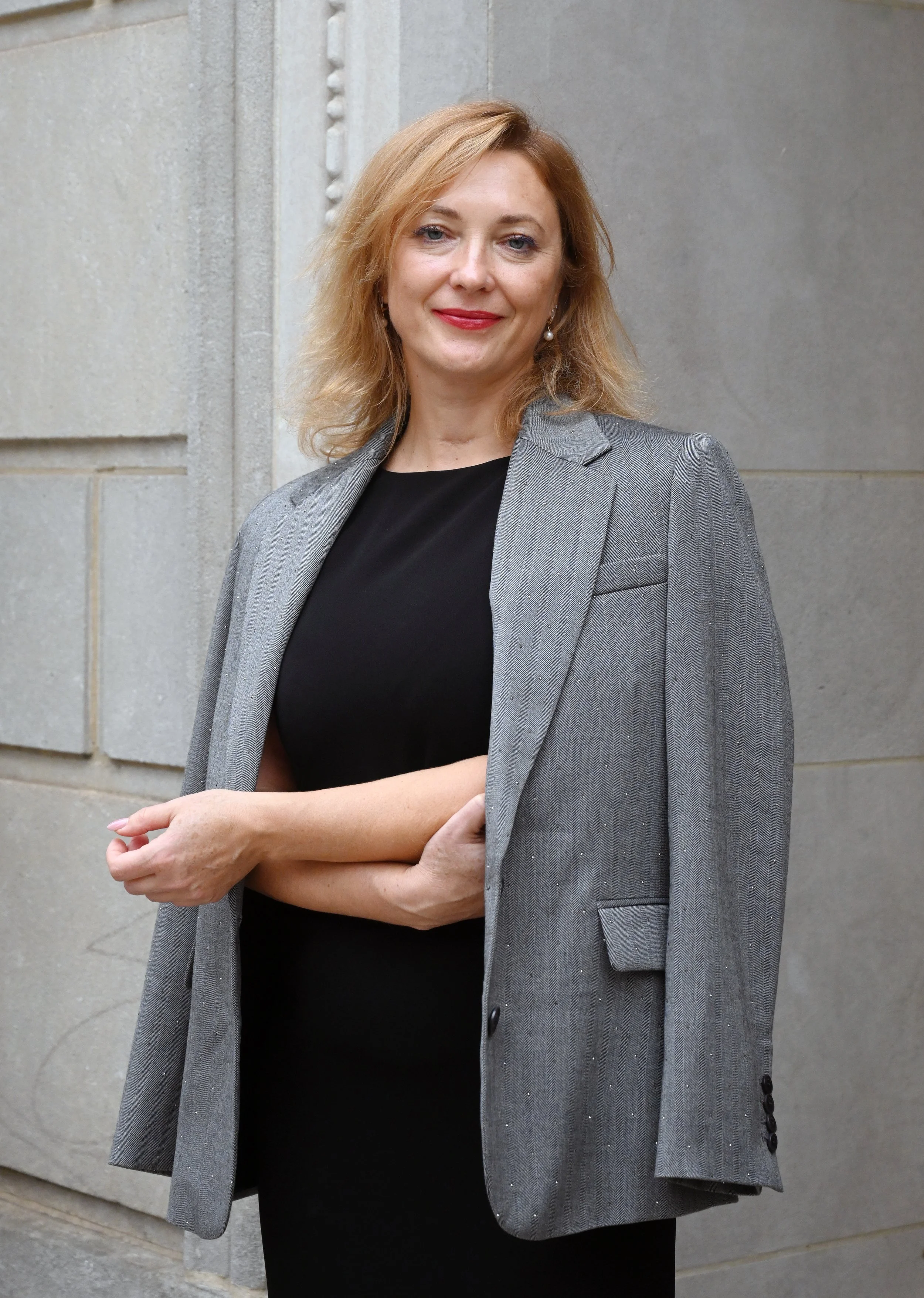
Olena Bilokon
Olena Bilokon serves on the Grand Chamber of the Supreme Court of Ukraine and is a lecturer and member of the Scientific and Methodological Council of the National School of Judges of Ukraine. With approximately 20 years of judicial experience, she has served at the trial, appellate, and cassation levels, bringing extensive expertise to the country's highest court.
Bilokon is an active advocate for mediation and judicial education, regularly participating in professional training and research on judicial practice. She is also a co-author of the textbook Mediation in the Professional Activity of a Lawyer, reflecting her commitment to strengthening dispute resolution and judicial professionalism.
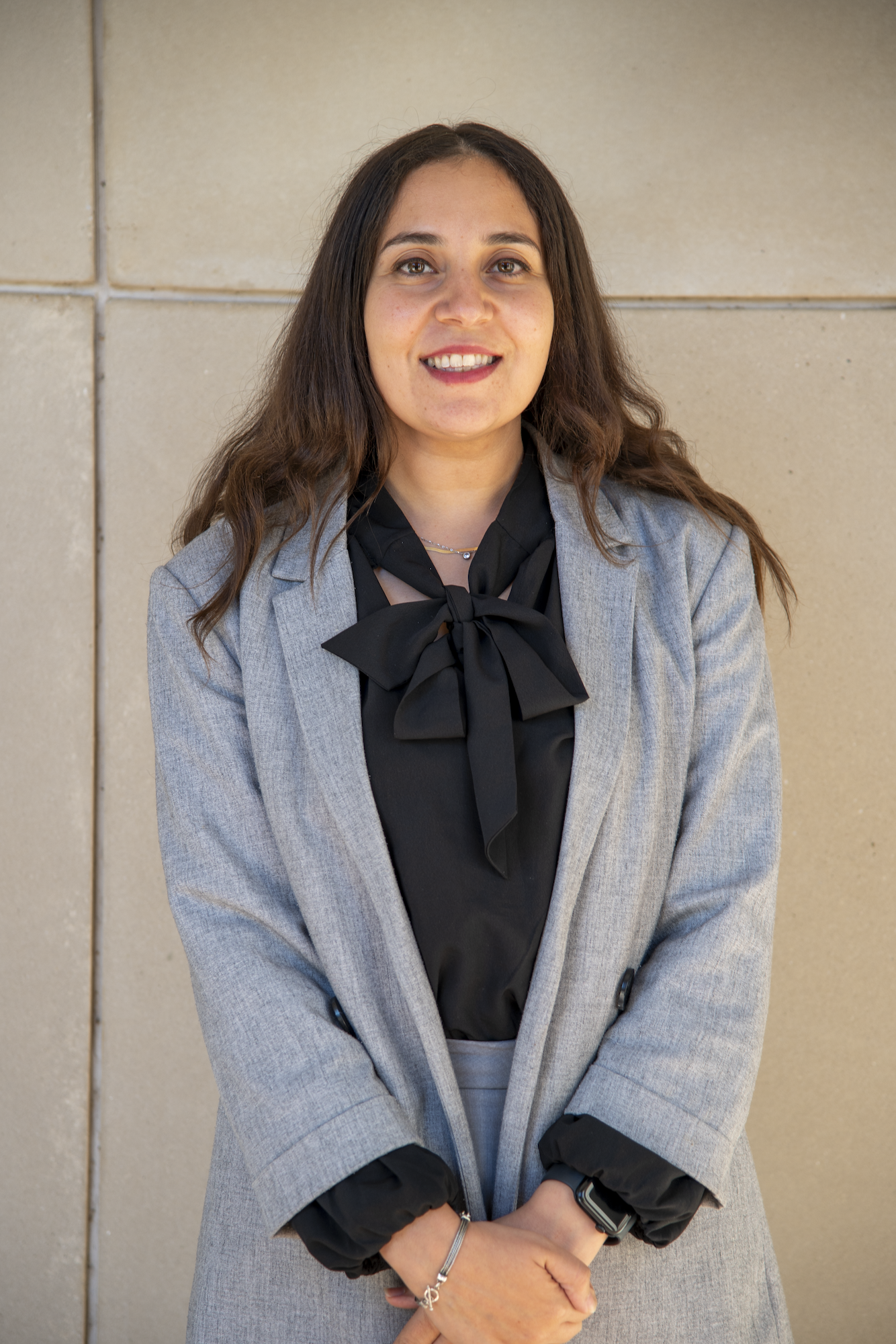
Reham Eissa
Reham Eissa is a Judge and Member of the Technical Bureau of Egypt's Supreme Standing Committee for Human Rights. She previously served in the Technical Bureau of the Ministerial Committee for the Settlement of Investment Contracts' Disputes and as a Counselor in the Ministry of Justice's Arbitration and Foreign Disputes Department, contributing to the resolution of complex investment and public law matters.
Before joining the judiciary, Eissa spent eight years in private practice advising international financial institutions on energy, infrastructure, banking, and development projects. She holds a Ph.D. in Public Law from Ain Shams University, along with LL.M. degrees from Ain Shams University and the University of Virginia School of Law. Her work focuses on strengthening governance, promoting innovation in legal systems, and responsibly integrating emerging technologies into judicial practice.
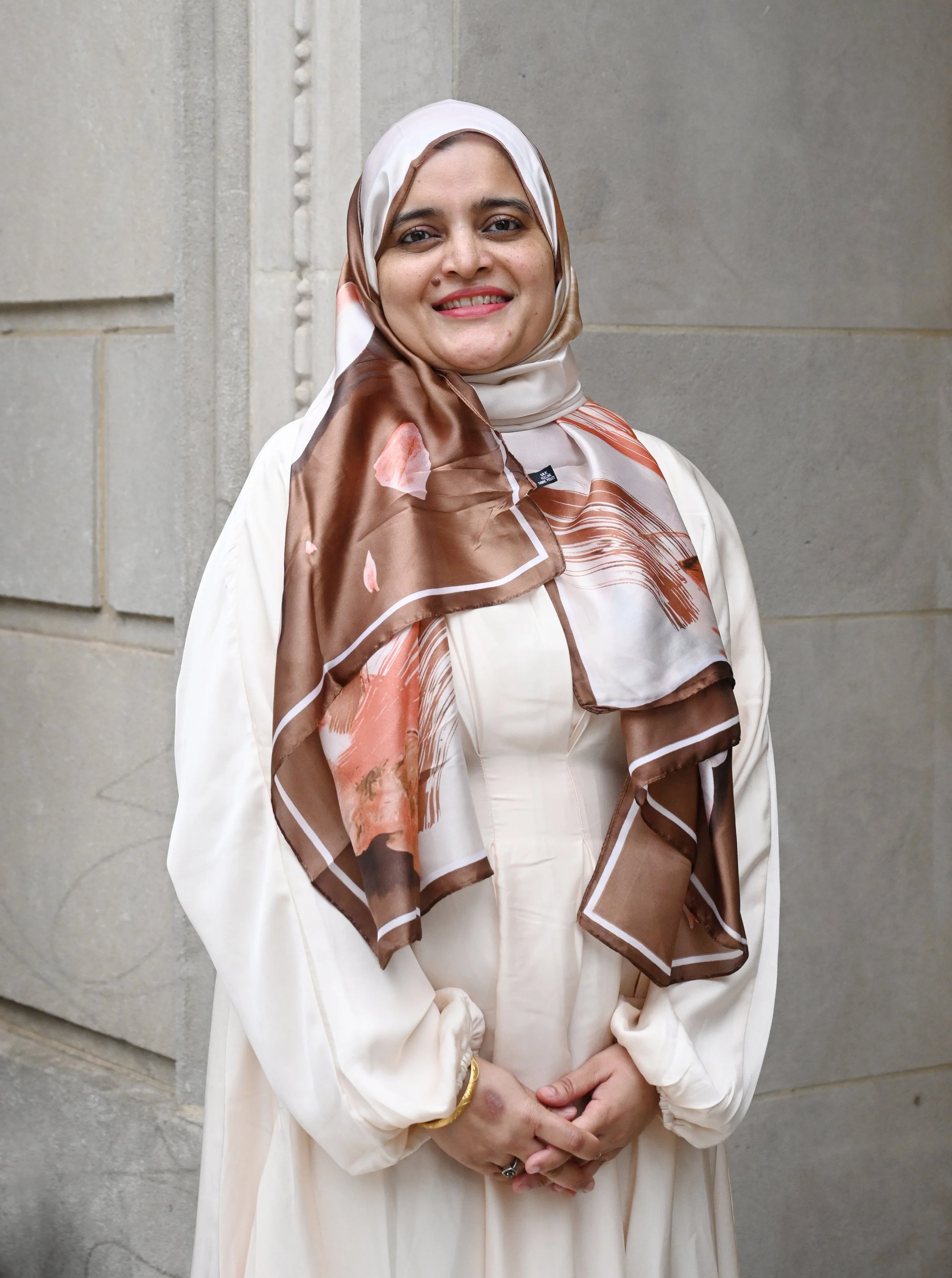
Reshma Khan
Reshma Khan is an Additional District and Sessions Judge in the Rajasthan Higher Judicial Service, India. Since joining the judiciary in 2014, she has presided over a wide range of criminal and civil matters while promoting efficient, accessible, and technology-driven justice. She also served as Deputy Director of the Rajasthan State Judicial Academy, where she contributed to judicial education and professional development.
As a Master Trainer for the e-Committee of the Supreme Court of India, Khan has trained judicial officers in the effective use of technology to improve court administration and justice delivery. Her professional interests include judicial ethics, court digitalization, case management, and expanding access to justice through innovation and international collaboration.
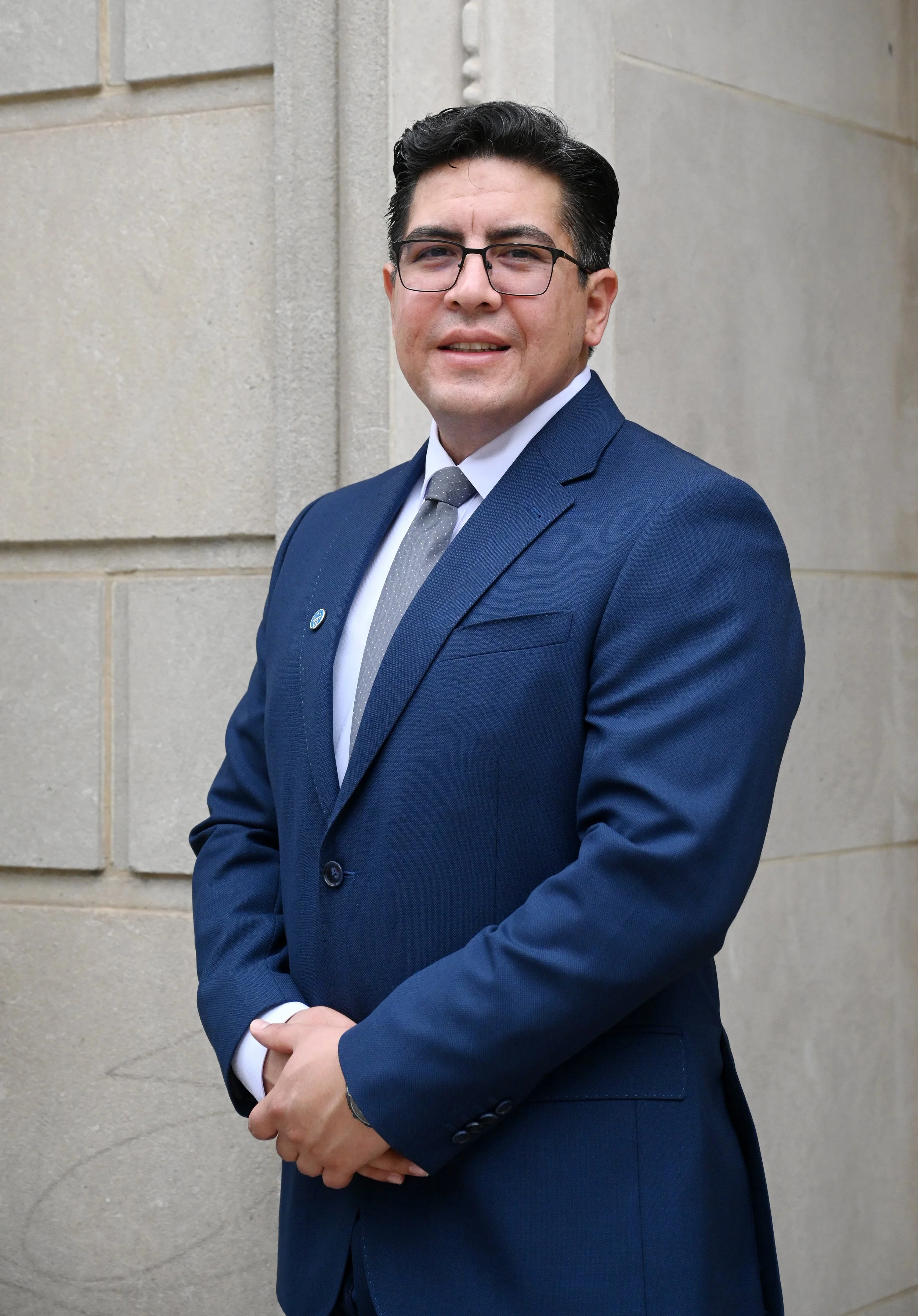
Ronald Joaquín Gantier Pérez
Ronald Joaquín Gantier Pérez serves as a Technical Judge of Criminal Trial Court No. 1 for Anti-Corruption and Violence Against Women and as a Judge of the Labor and Social Security Court in Chuquisaca, Bolivia. He is also a faculty member at the School of Judges of the State of Bolivia and teaches Constitutional Law at the graduate level. Before joining the judiciary, he served as a legal clerk at the Plurinational Constitutional Court and as a consultant to the Office of the Attorney General.
Gantier Pérez is a doctoral candidate at the University of Valladolid, where he also earned a master's degree in European Union Law. His research focuses on constitutional adjudication, human rights, and the Inter-American System of Human Rights, particularly the doctrine of conventionality control. He is committed to advancing judicial independence, the rule of law, and international judicial cooperation.
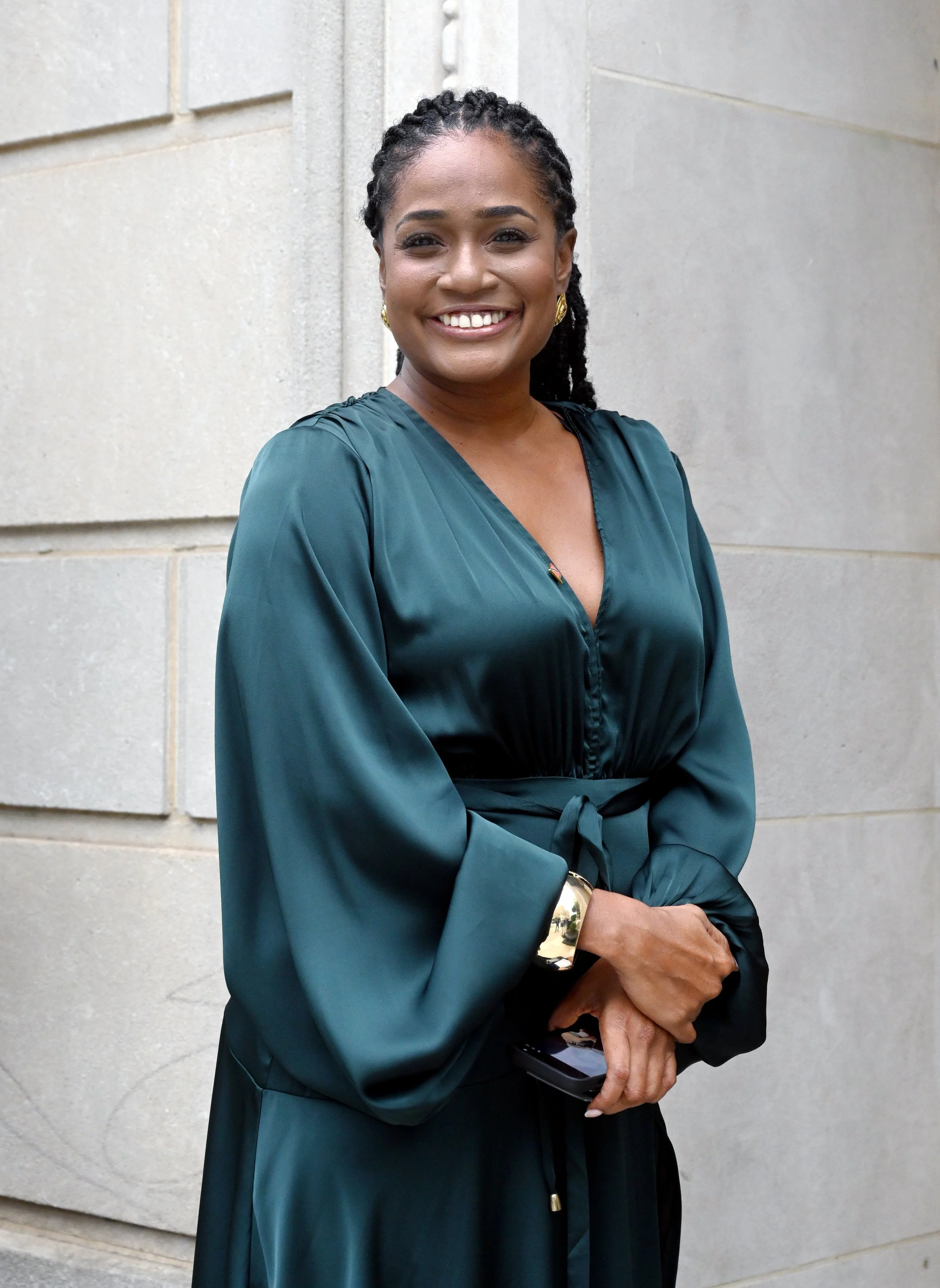
Sydelle Johnson
Sydelle Johnson is a Judge of the Judiciary of Trinidad and Tobago with a background in human rights, family law, and international justice. Before joining the bench, she completed a fellowship with the Inter-American Commission on Human Rights and participated in the United Nations Graduate Study Programme in Geneva, where she focused on gender equality and the empowerment of women.
Johnson holds an LL.B. from the University of the West Indies, an LL.M. in Human Rights Law from Queen Mary University of London, a Legal Education Certificate from Hugh Wooding Law School, and postgraduate qualifications in Family Law and Public International Law. A certified family and civil mediator, she serves on the Board of the Judicial Education Institute of Trinidad and Tobago and is a Fellow of the Commonwealth Judicial Education Institute. She was also recognized as a 2023 Rising Leader by the International Association of Women Judges.
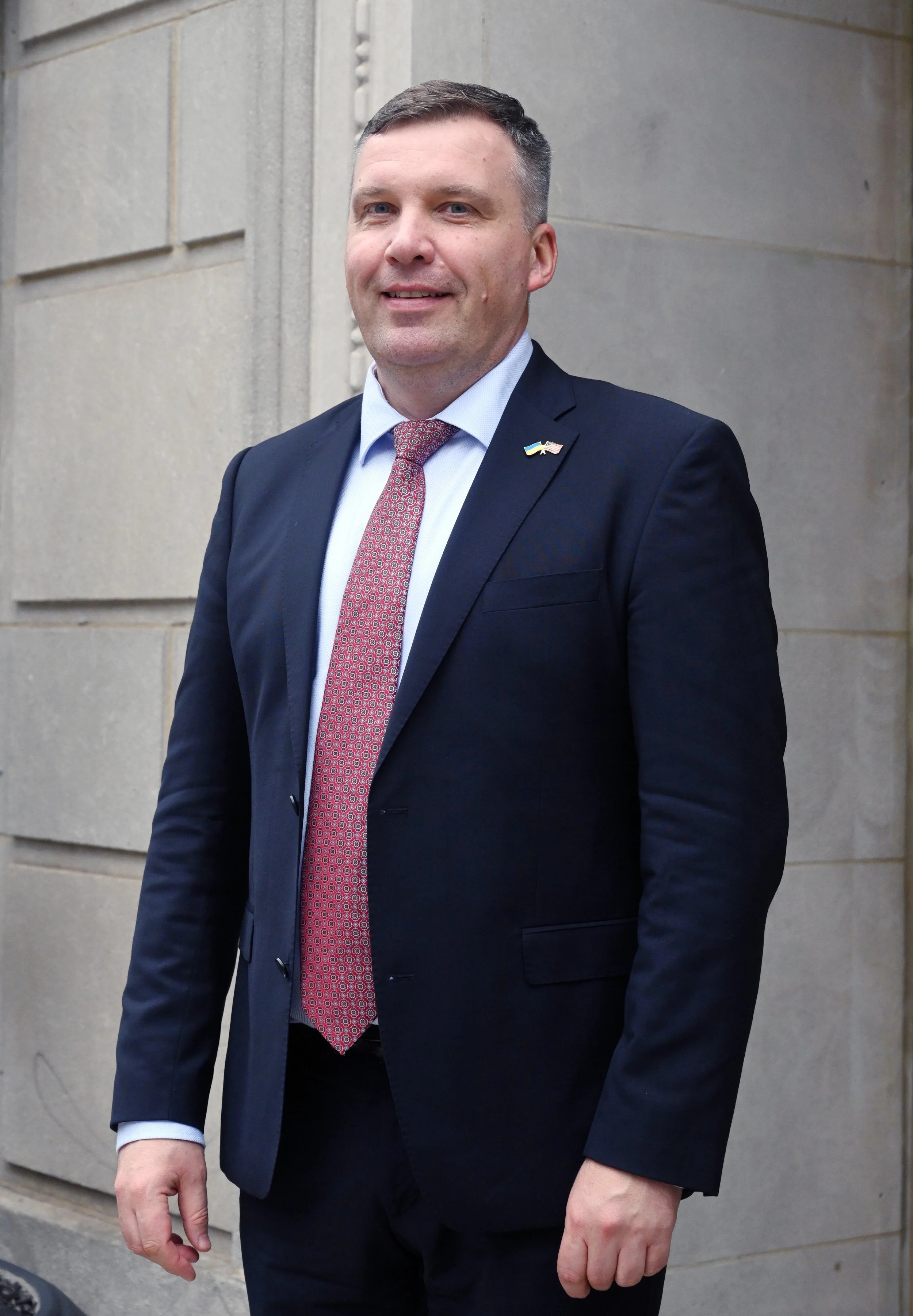
Vitalii Urkevych
Vitalii Urkevych serves on the Grand Chamber of the Supreme Court of Ukraine, where he has served since 2017. He previously spent more than 15 years in academia at Yaroslav Mudryi National Law University, progressing from Assistant Professor to Professor before joining the bench. From 2023 to 2026, he served as Secretary of the Grand Chamber.
Urkevych holds a Doctor of Laws degree specializing in land, agrarian, environmental, and natural resources law and is a Corresponding Member of the National Academy of Legal Sciences of Ukraine. He has authored or co-authored more than 300 scholarly publications and is widely recognized for his contributions to legal scholarship, judicial decision-making, and environmental and agricultural law.
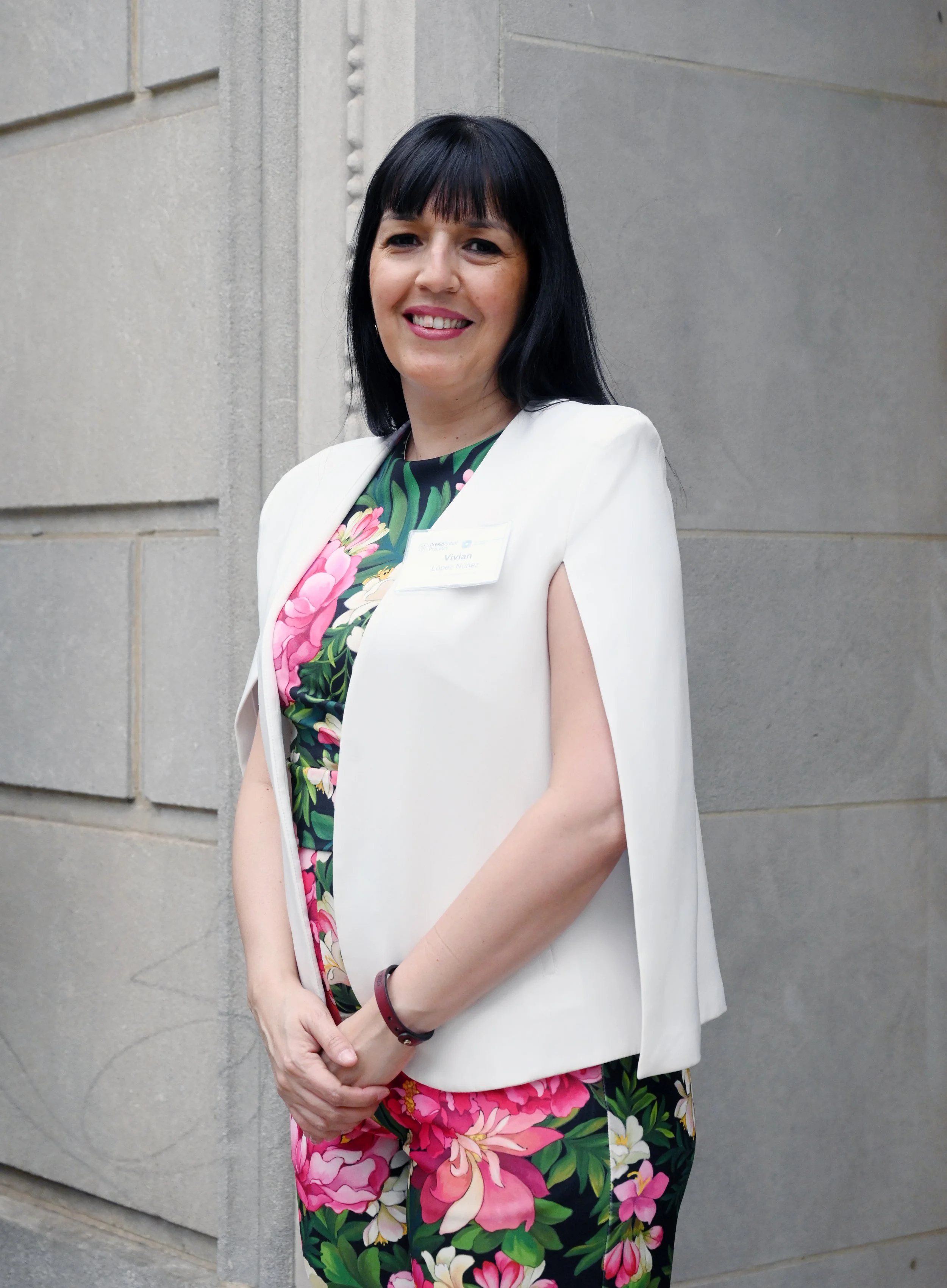
Vivian López Núñez
Vivian López Núñez is a judge in Paraguay with nearly three decades of experience in the judiciary and is recognized for advancing judicial modernization, transparency, and gender equality. She led the implementation of Paraguay's first fully electronic court docketing system, transforming paper-based case management into a digital platform that significantly improved public access to justice and strengthened judicial transparency.
López Núñez has also been a leading advocate for women's rights, founding the Paraguayan Association of Women in Legal and Social Careers to support women in the legal profession. She has represented Paraguay in international judicial forums on judicial integrity, technology, and gender justice, including programs with the United Nations Office on Drugs and Crime. In 2025, she became the first Paraguayan selected as a Yale World Fellow and earned a doctorate in Legal Sciences. Throughout her career, she has championed the values of honesty, humanity, and humility as the foundation of judicial leadership.
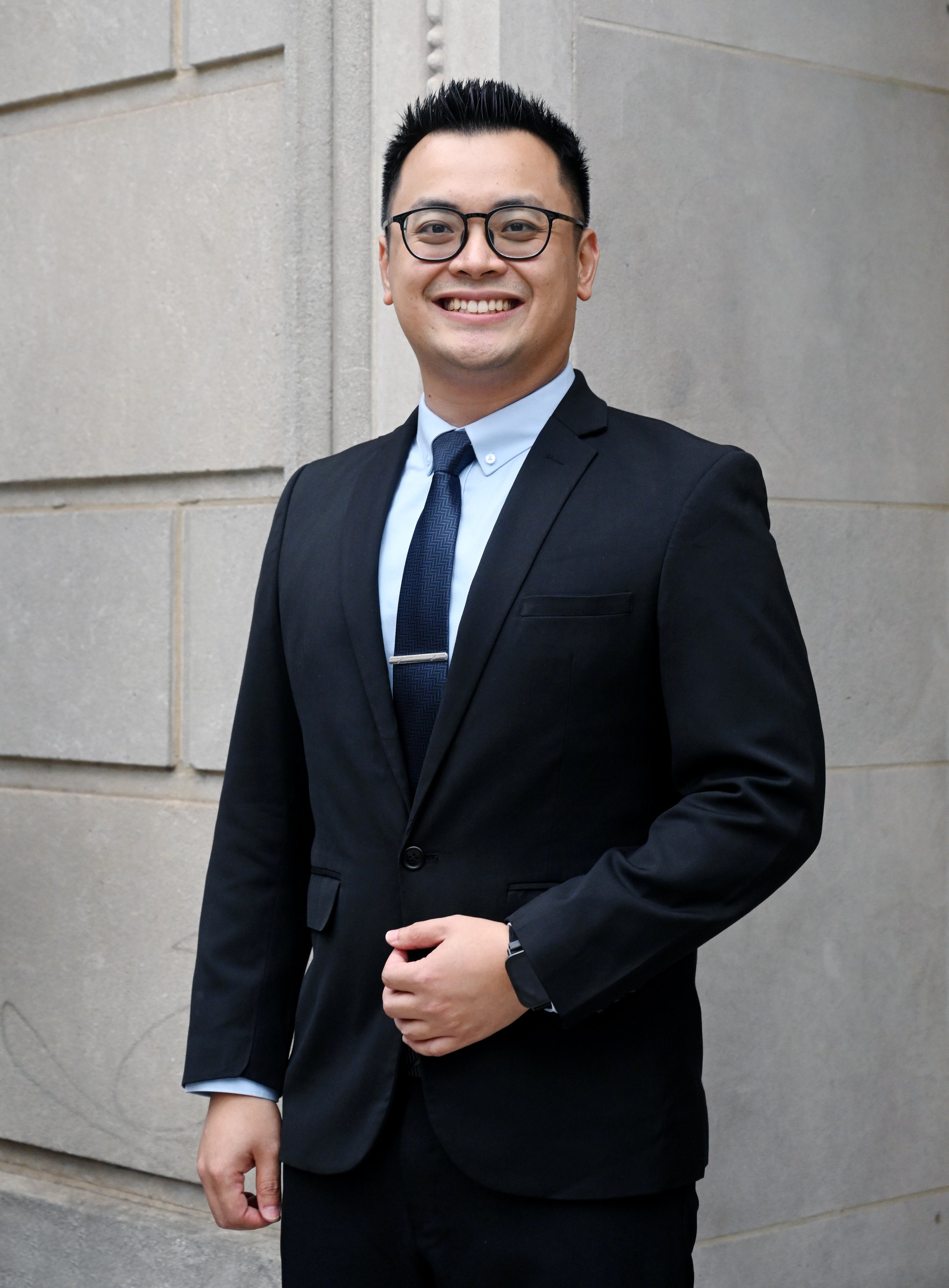
Yonatan Iskandar Chandra
Yonatan Iskandar Chandra is a District Court Judge in Singaraja, Bali, serving within the Judiciary of the Republic of Indonesia. His work focuses on criminal law, judicial reform, and strengthening the rule of law. Earlier in his career, he participated in constitutional litigation involving anti-money laundering legislation, child marriage laws, and the abolition of the death penalty.
Chandra is actively involved in promoting judicial accountability and anti-corruption through Indonesia's "Integrity Zone" program. He also contributes to legal scholarship through publications on criminal law reform, judicial ethics, and contemporary legal issues, reflecting his commitment to strengthening public confidence in the judiciary.
The Judicial Fellowship Program is presented by the Presidential Precinct in partnership with the U.S. Chamber of Commerce Foundation.
Together, the two organizations bring international judicial leaders into conversation with judges, scholars, legal professionals, and institutional partners across Washington, D.C., and Virginia.
The program reflects a shared belief that strong, ethical, and independent judiciaries are essential to the rule of law, public trust, and thriving societies.
The Presidential Precinct is shaping the leaders of tomorrow. Subscribe to our newsletter for leadership insights and opportunities to get involved.