

The Presidential Precinct and the U.S. Chamber of Commerce Foundation are proud to introduce the 2025 cohort of the Judicial Fellowship Program: distinguished judges and judicial leaders working to strengthen justice systems, uphold judicial integrity, and advance the rule of law in their countries and communities.
This fall, the Fellows will travel to Washington, D.C., and Virginia for an immersive two-week professional exchange. Through practical workshops, institutional visits, candid peer conversations, and engagement with leading members of the American legal community, they will explore the responsibilities — and possibilities — of judicial leadership.
Representing diverse legal traditions, courts, and regions of the world, the 2025 Fellows share a commitment to fair, effective, and independent justice.
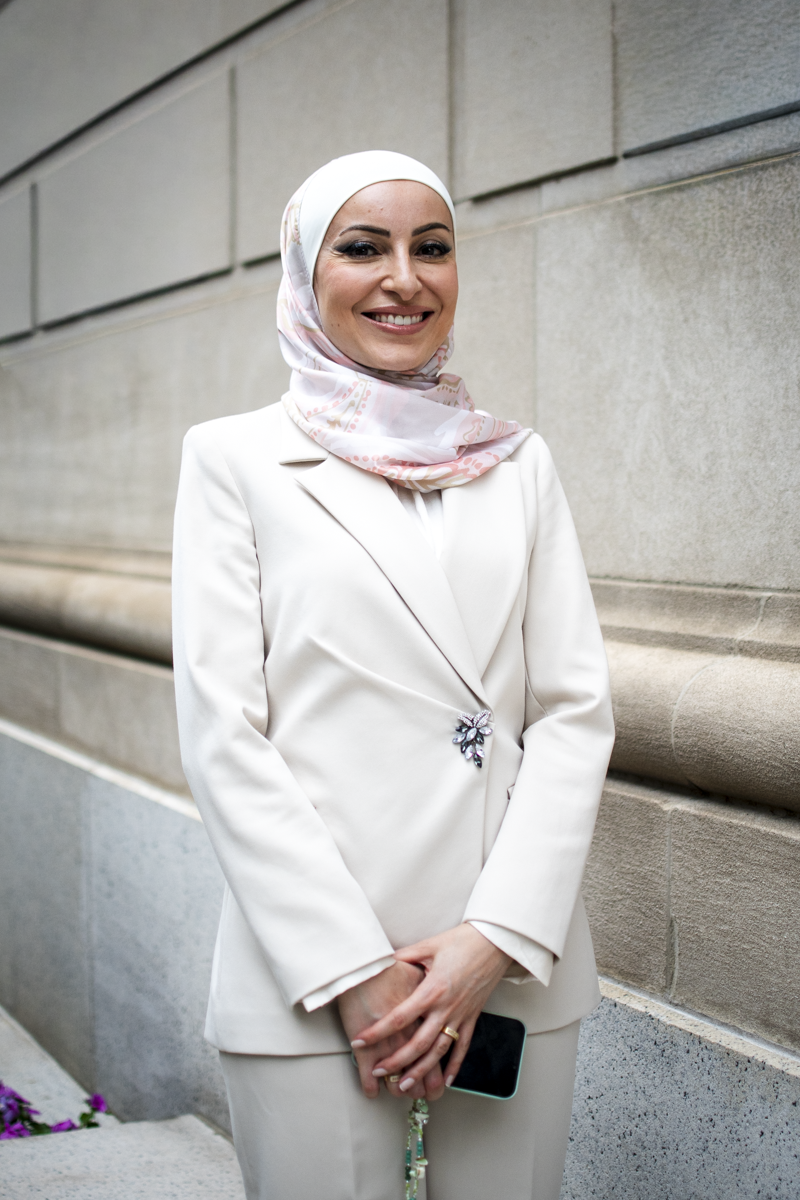
Sewar Alrashdan
Sewar Alrashdan has been a Magistrate Judge at the Judicial Authority of Jordan since 2012, specializing in a broad range of legal fields, including Fugitive Extradition Law, Human Trafficking Law, Intellectual Property Law, Election Law, and Family Dispute Resolution. She holds a Master’s degree in IP Law from Brunel University London, and a Master’s degree in Women’s Studies from the University of Jordan. She is a member of the Arab Women Legal Network and the International Association of Women Judges, and a Ph.D. researcher in International Criminal Law.
With extensive experience in both judicial practice and legal education, she has contributed to legal discourse as a speaker and trainer at regional and international forums, including those in The Hague, Amman, Cairo, and Dubai. Her scholarly work has been published in legal journals, addressing issues such as artificial intelligence, arbitration, intellectual property, and women’s rights. The Women’s Studies Center at the University of Jordan has recognized her contributions to advancing legal scholarship, particularly her book, Women’s Rights under International Humanitarian Law: An Analytical Study.
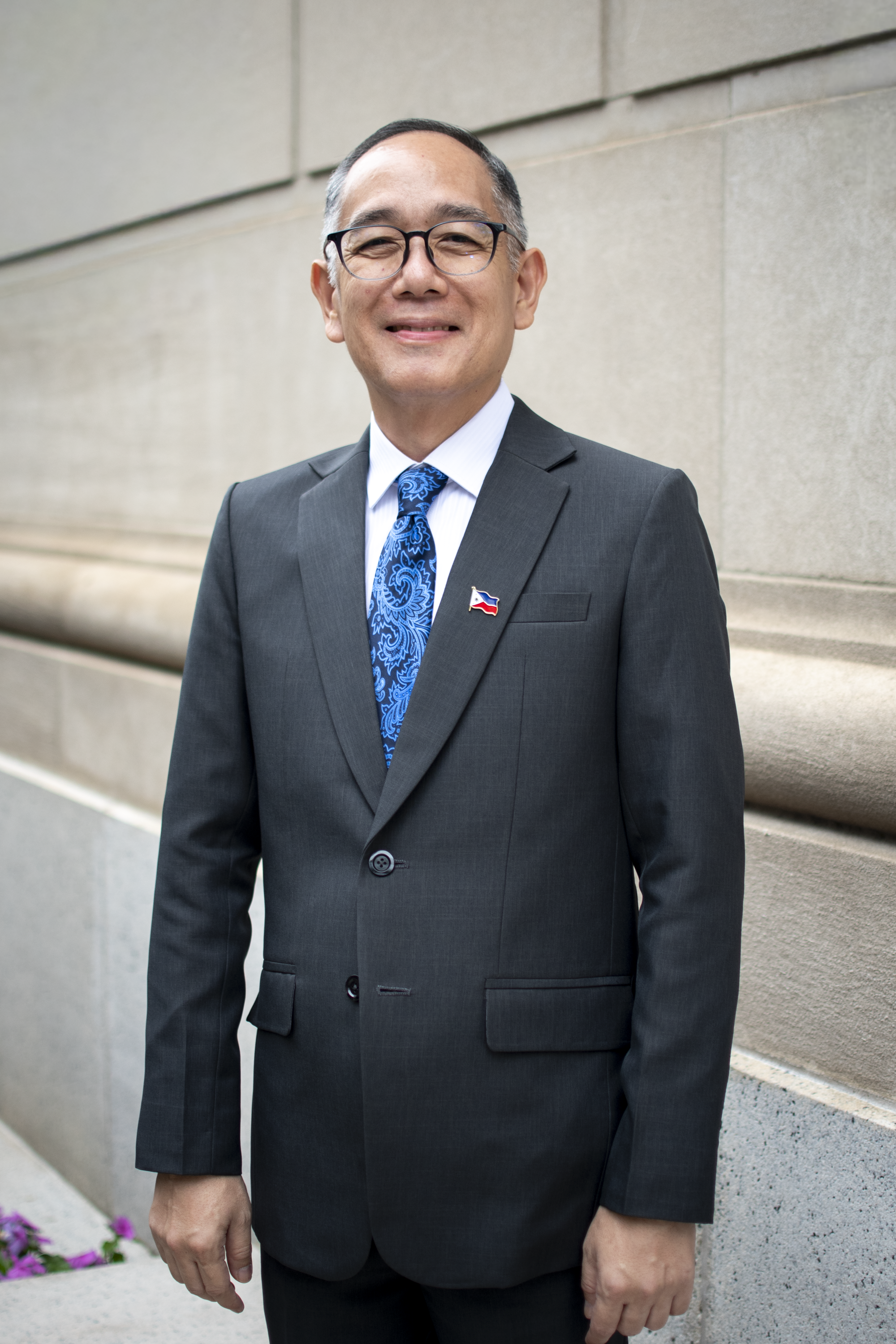
Juvenal N. Bella
Juvenal N. Bella is an accomplished judicial leader from the Philippines with three decades of service. As a Metropolitan Trial Court Judge and former Executive Judge, he brings extensive experience in diverse cases and leadership, committed to accountability and fair law application. His contributions earned him the 2023 Manuel L. Quezon Gawad Parangal for Law and Justice and the 2016 Don Antonio Madrigal Award for Outstanding Metropolitan Trial Court Judge.
Juvenal champions legal reforms, drafting ethical standards. His involvement with Gender Responsiveness and WICL underscores his dedication to gender equality and fair, gender-responsive treatment, aligning with Bangkok Rules. He teaches at the Philippine Judicial Academy and San Sebastian College-Recoletos, and expanded his international legal understanding through The Hague Academy.
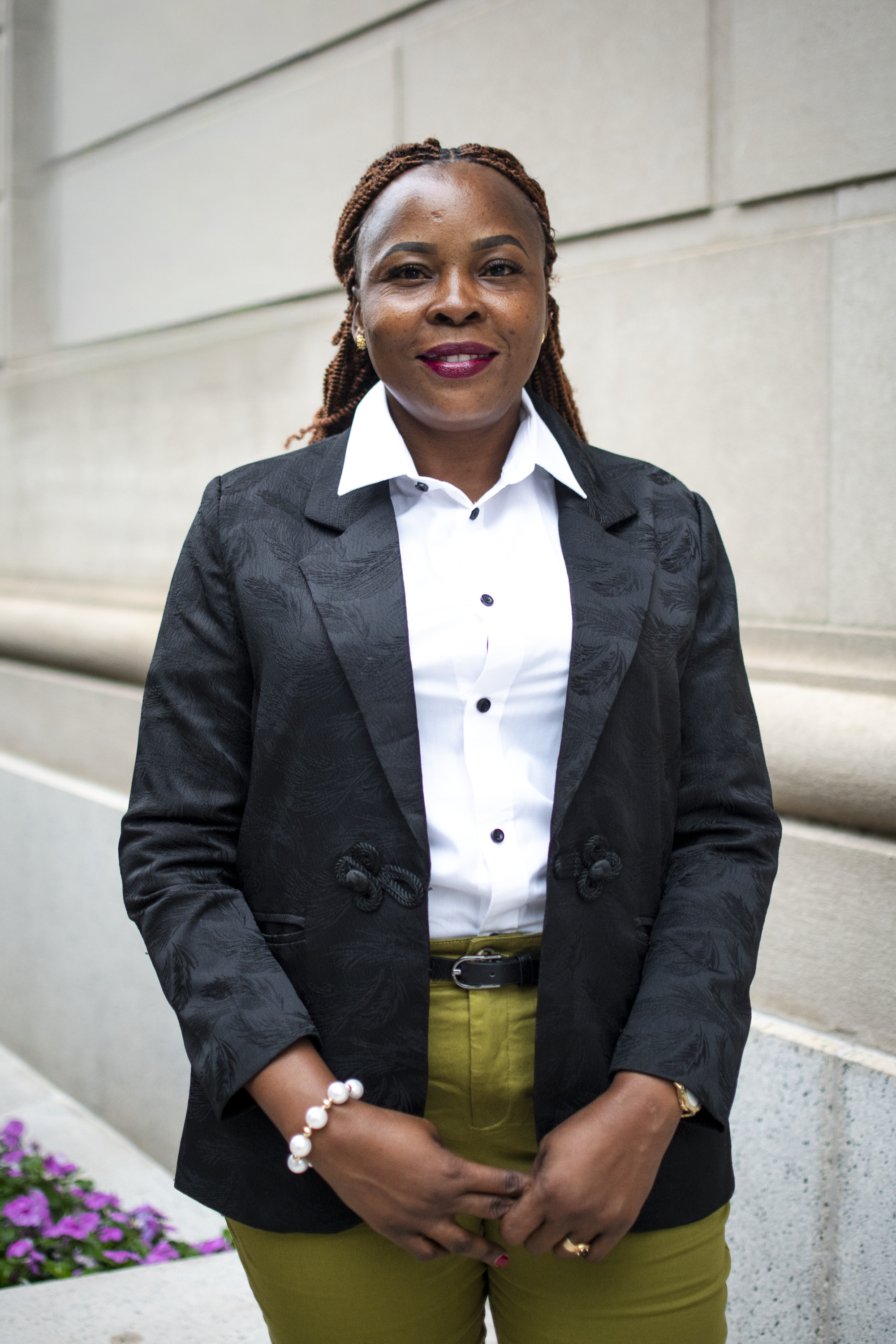
Scola Odeyo Boniphace
Scola Odeyo Boniphace serves as a Magistrate at Kariakoo Primary Court in Ilala District, Tanzania, a position she has held since 2018. She specializes in human rights, civil, and criminal law, with a focus on the protection of women’s and children’s rights.
Before joining the judiciary, she worked with Amend International, a road safety organization dedicated to saving lives. Scola holds a Master’s degree in International Law and Chinese Law from Wuhan University, earned through a fully funded MOFCOM scholarship, as well as a Bachelor of Laws degree from Tumaini University and a Diploma in International Relations and Diplomacy from the Centre for Foreign Relations. She is an active member of the International Association of Women Judges and the Tanzania Women Judges Association, and is currently researching legal protections against child marriage in Tanzania from both international and domestic law perspectives.

Nilmini Ferdinandez
Nilmini Ferdinandez began her legal career after earning First Class Honours at Sri Lanka Law College in 1996 and was appointed as a Magistrate in 2002. In 2006, she became a District Judge, and over the years has presided over a wide range of civil and criminal matters across Sri Lanka. From 2019 to 2024, she served as a Resident Magistrate in Fiji, where she handled cases involving domestic violence, child protection, and gender-based offences.
A British Chevening Scholar, she holds an LLM in Human Rights from Queen Mary University of London. Nilmini has contributed to judicial education through her work with the Judges’ Institute of Sri Lanka and has authored academic work on children’s rights, LGBT issues, and transitional justice. She is passionate about improving access to justice and advancing judicial wellbeing. Currently serving as the District Judge of Gampaha, Nilmini remains committed to fostering a compassionate and inclusive justice system.
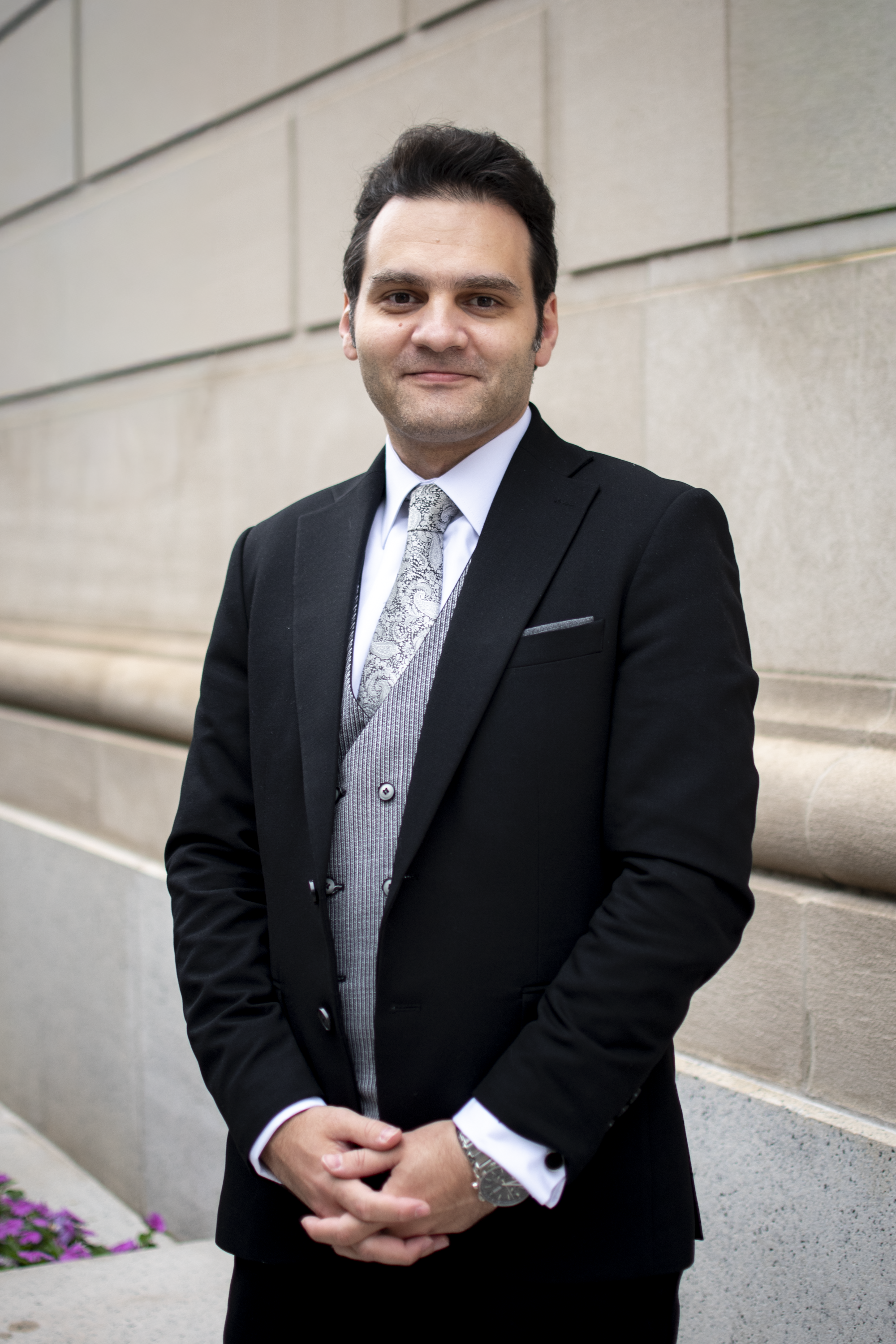
Amin Magdy
Amin Magdy is a Senior Judge at the Egyptian State Council, where he specializes in administrative disputes with a focus on human rights and intellectual property law. He also serves as Legal Counsel to the Cabinet Legal Advisory Council, advising on various legal matters, particularly legislative drafting, IP matters, and public contracts.
Amin began his legal career after graduating from the Police Academy in 2008. He served as a police officer for three years, gaining early experience in law enforcement and public administration. Amin holds multiple Master of Laws (LL.M.) degrees, including one in IP Law from the University of Turin, awarded through a competitive scholarship from the World Intellectual Property Organization (WIPO). Since 2020, he has been supervising IP files at the Cabinet. He chaired the national committee (2020 – 2022) that developed Egypt’s first IP strategy and led the national team that drafted the law establishing the National IP Authority (2023). He continues to lead efforts to align Egypt’s IP framework with global standards. His work bridges the judiciary and executive, reflecting a firm commitment to legal reform, innovation, and global best practices.
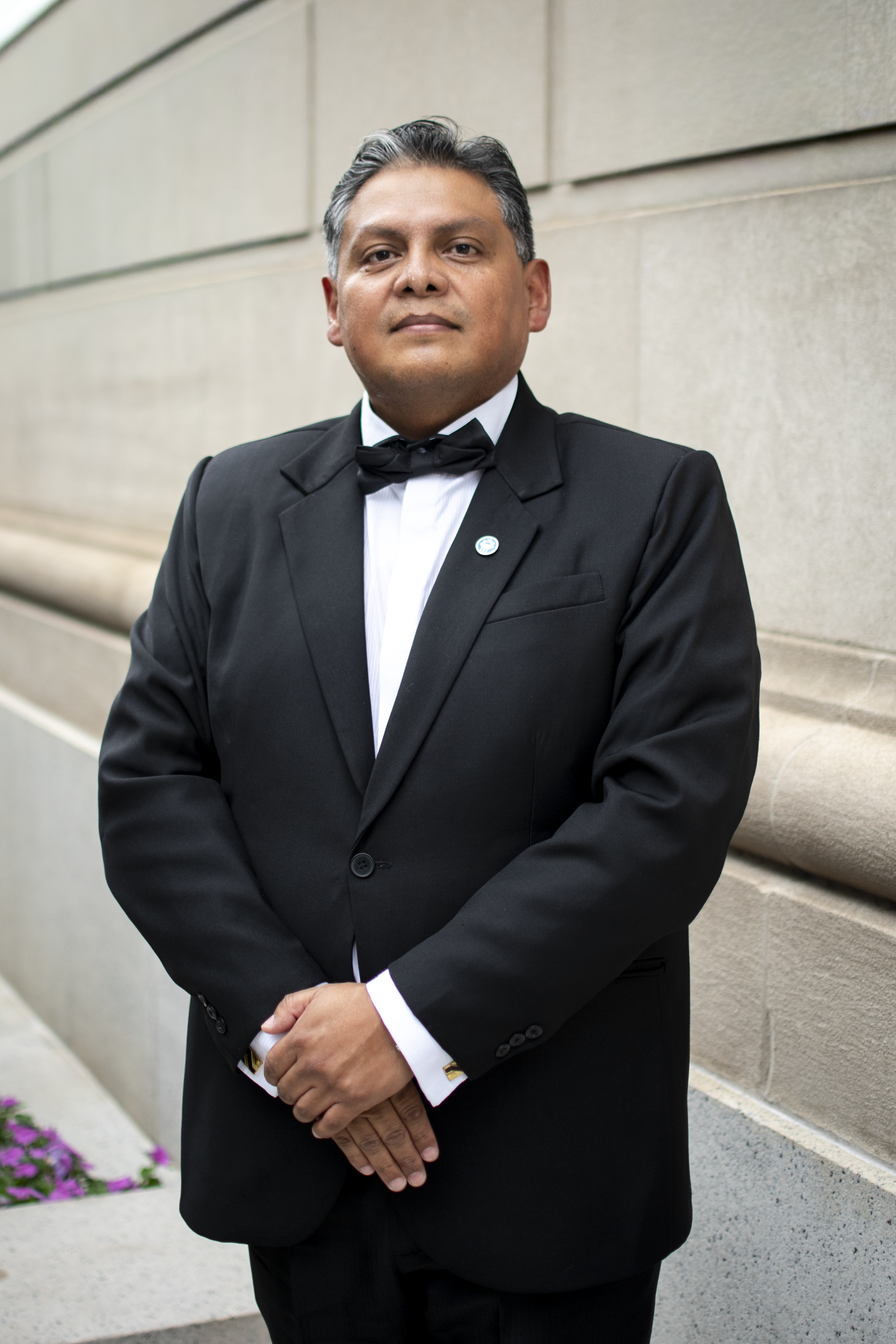
Carlos Andres Oblitas Alvarez
Carlos Andres Oblitas Alvarez serves on a Trial Court as a Technical Judge, specializing in anti-corruption and gender-based violence within the Bolivian judicial system. He previously served as District Attorney and, earlier, as a specialized Public Prosecutor focused on special offenses and priority victim protection.
He is committed to human rights, access to justice, and institutional strengthening. Carlos holds two master’s degrees, one in Constitutional Law and another in Justice Administration, and is currently pursuing a Ph.D. in Criminal Law and Criminal Policy. He has authored two published academic books on pretrial detention and another on gender-based violence. He is also a former university professor and a frequent speaker at conferences on criminal justice and judicial reform.
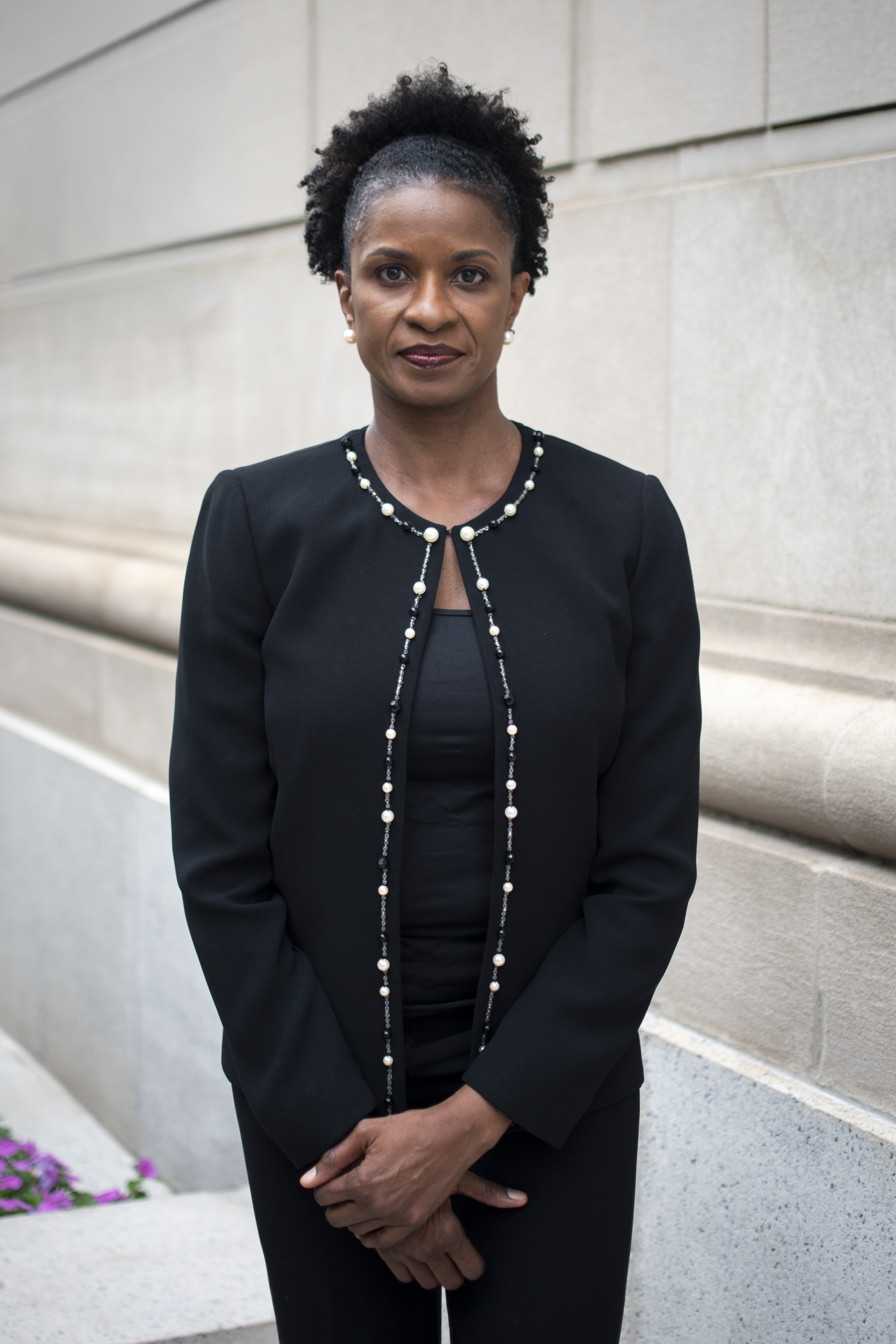
Shona Griffith
Shona Griffith is Judge of the High Court of Barbados, where she sits in the Civil Division. A national of Guyana, Shona graduated from the University of the West Indies and was admitted to practice law in Guyana and Barbados after graduating from the Hugh Wooding Law School in 1996. Justice Griffith has primarily held appointments at the public bar in the Attorney-General’s Chambers of St. Kitts/Nevis (June 1997 – September, 2001); the British Virgin Islands (September, 2001 – July, 2008); and Montserrat (July, 2008 – July, 2010).
In October 2011, Justice Griffith embarked upon her judicial career with her appointment as Senior Magistrate in Belize until March, 2014, when she was appointed to act and subsequently confirmed as a High Court Judge of Belize. Justice Griffith demitted office in Belize in January 2020 to take up her current position. Justice Griffith holds a Master of Laws in Public International Law. She is a Fellow of the Commonwealth Judicial Education Institute and a UN/Hague Fellow of Public International Law.
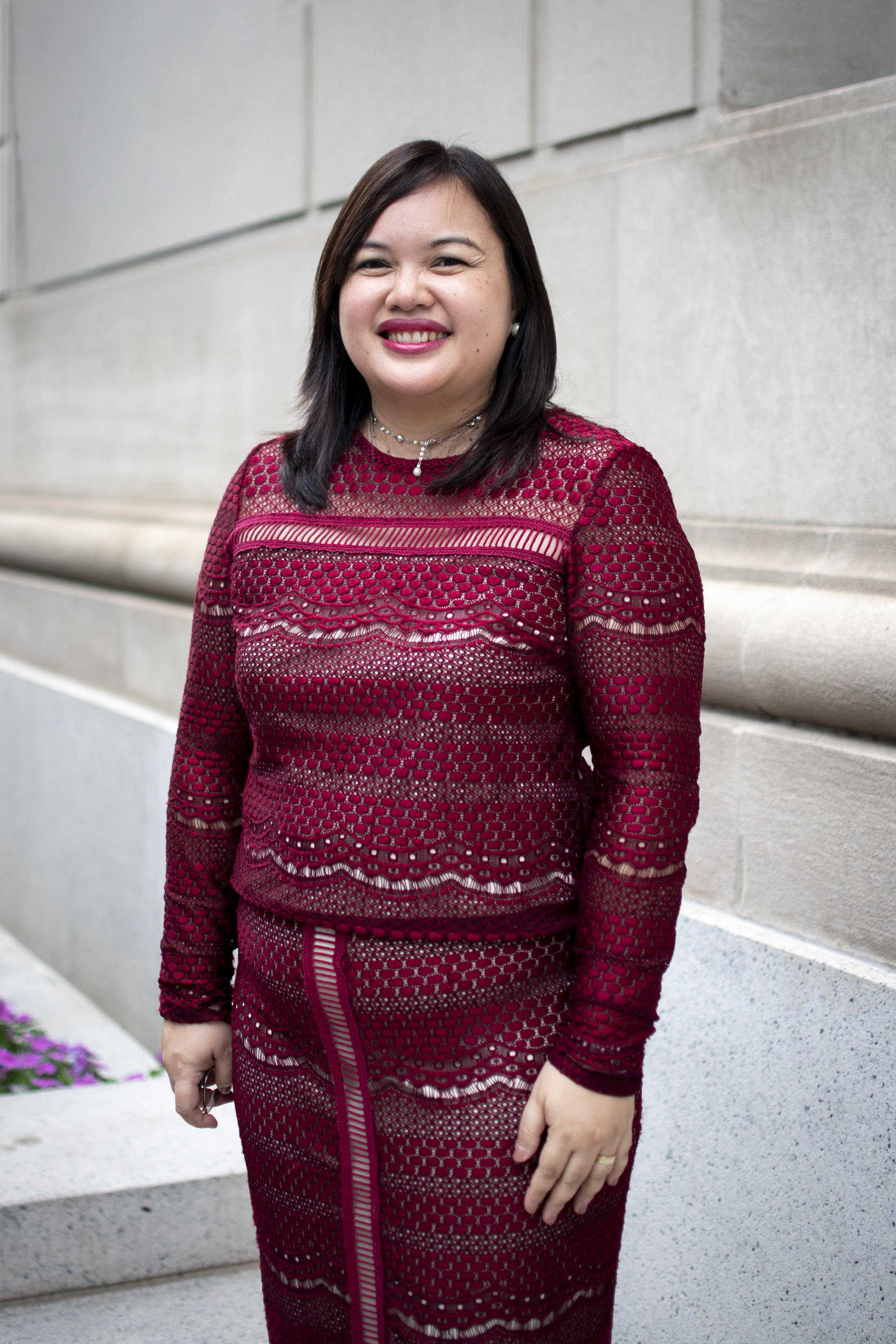
Mary Ann Charisma C. Gutierrez-Kho
Mary Ann Charisma C. Gutierrez-Kho is the Presiding Judge of the Municipal Trial Court in Cities, Branch 1, Bacoor City, Cavite, Philippines, and currently serves as the Executive Judge of the Municipal Trial Courts in Bacoor. Appointed to the bench in 2015, she has presided over first-level courts across multiple jurisdictions, including Hinoba-an, Negros Occidental, and Tanza, Cavite.
Before her judicial appointment, she worked as a Public Attorney II at the Public Attorney’s Office-Department of Justice. With over 18 years of experience in criminal and civil law, Judge Gutierrez-Kho is dedicated to advancing access to justice, particularly for abused minors and abandoned children, and to ensuring the efficient and fair administration of justice for underprivileged citizens.

Maria Soledad Gennari
Maria Soledad Gennari is a Minister of the Supreme Court of Justice, Province of Neuquén in Argentina. She previously served as president of the Council of the Judiciary of the Province of Neuquén and president of the Patagonian Forum of Supreme Courts of Justice. She is recognized as a specialist in constitutional justice and human rights by the Institute for Constitutional Development and the University of Bologna in Buenos Aires, and is similarly recognized as a specialist in civil procedural law by the University of Buenos Aires.
Maria leads the Supervision Team for the Implementation of the Registry of “Those Convicted of Crimes against Sexual Integrity” and is a member of the Commission for the Reform of Civil and Commercial Procedural Law and the Family Procedural Law within the Congress of Neuquén Province. She is a member of the Law and Social Sciences faculty at the National University of Comahue, Neuquén City, while pursuing her Ph.D. in Legal and Social Sciences at the University of Mendoza. Maria earned her Master’s Degree in International Trade and E-Commerce from the European Institute, Stellae Campus, Santiago de Compostela, Spain.
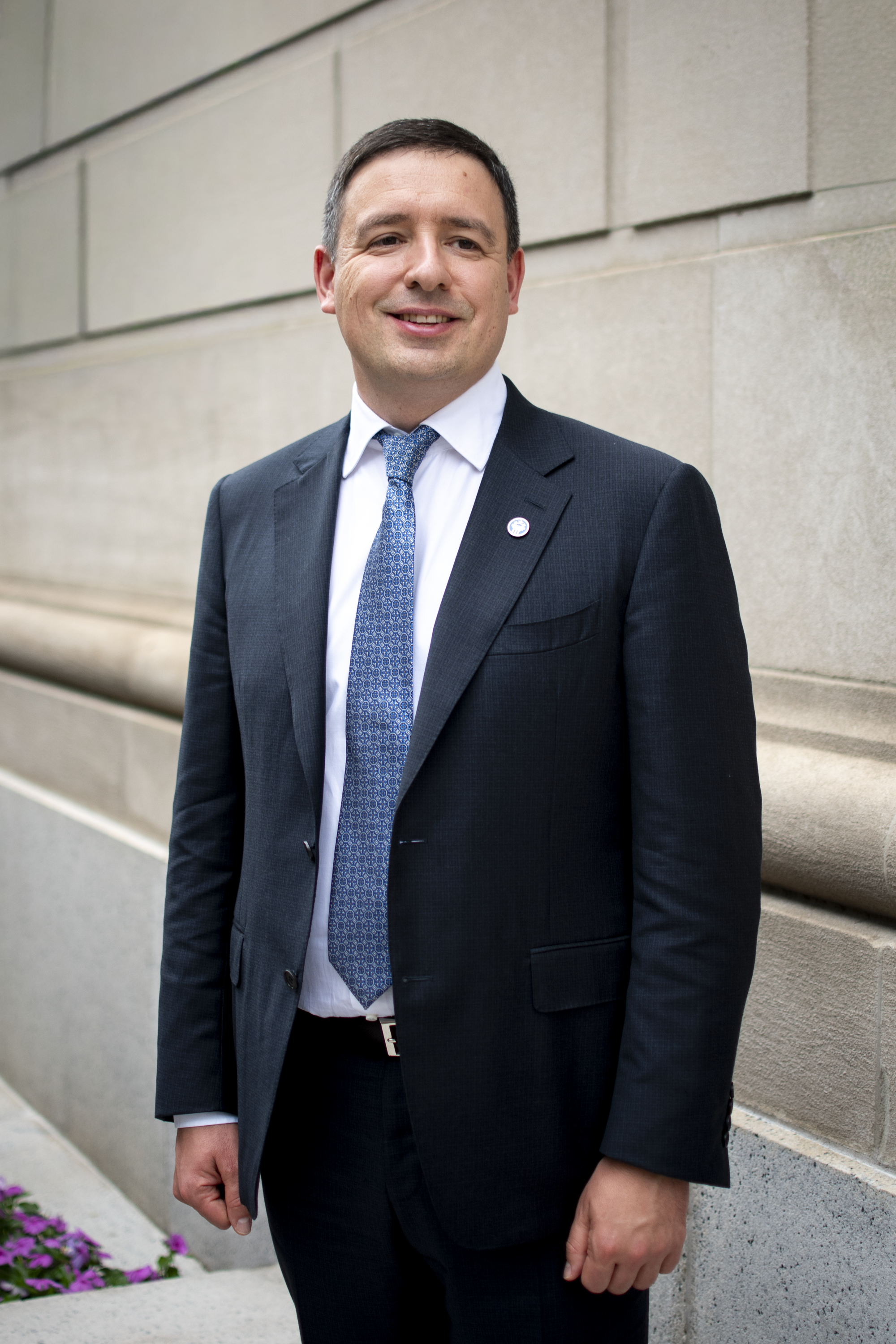
Yegor Krasnov
Yegor Krasnov is a Judge of the Supreme Court of Ukraine (Commercial Cassation Court and performs duties as the Deputy Representative for Ukraine at the Consultative Council of European Judges. After graduating from Odessa National Law Academy, Yegor combined his work in the legal profession with a master’s program and postgraduate studies in labor and social security law (Ph.D. in Law). He completed another master’s program in the Institute for Preparation of Professional Judges in 2008. From 2005 to 2017, he lectured at Odessa National Law Academy, simultaneously practicing solo or as a partner of a law firm.
Since 2017, he has been a judge of the Supreme Court, commercial jurisdiction. He is an elected member of the Council of Judges of Ukraine, where he chairs the Committee on Compliance with Ethical Standards, Prevention of Corruption, and Conflict of Interest Resolution. In this role, Yegor provides expert opinions to resolve conflicts of interest or ethical dilemmas in the judiciary. He is leading the project for the development of the Code of Judicial Ethics and of the commentary to the Code. Since 2021, Yegor has been performing duties as the Deputy Representative for Ukraine at the Consultative Council of European Judges.
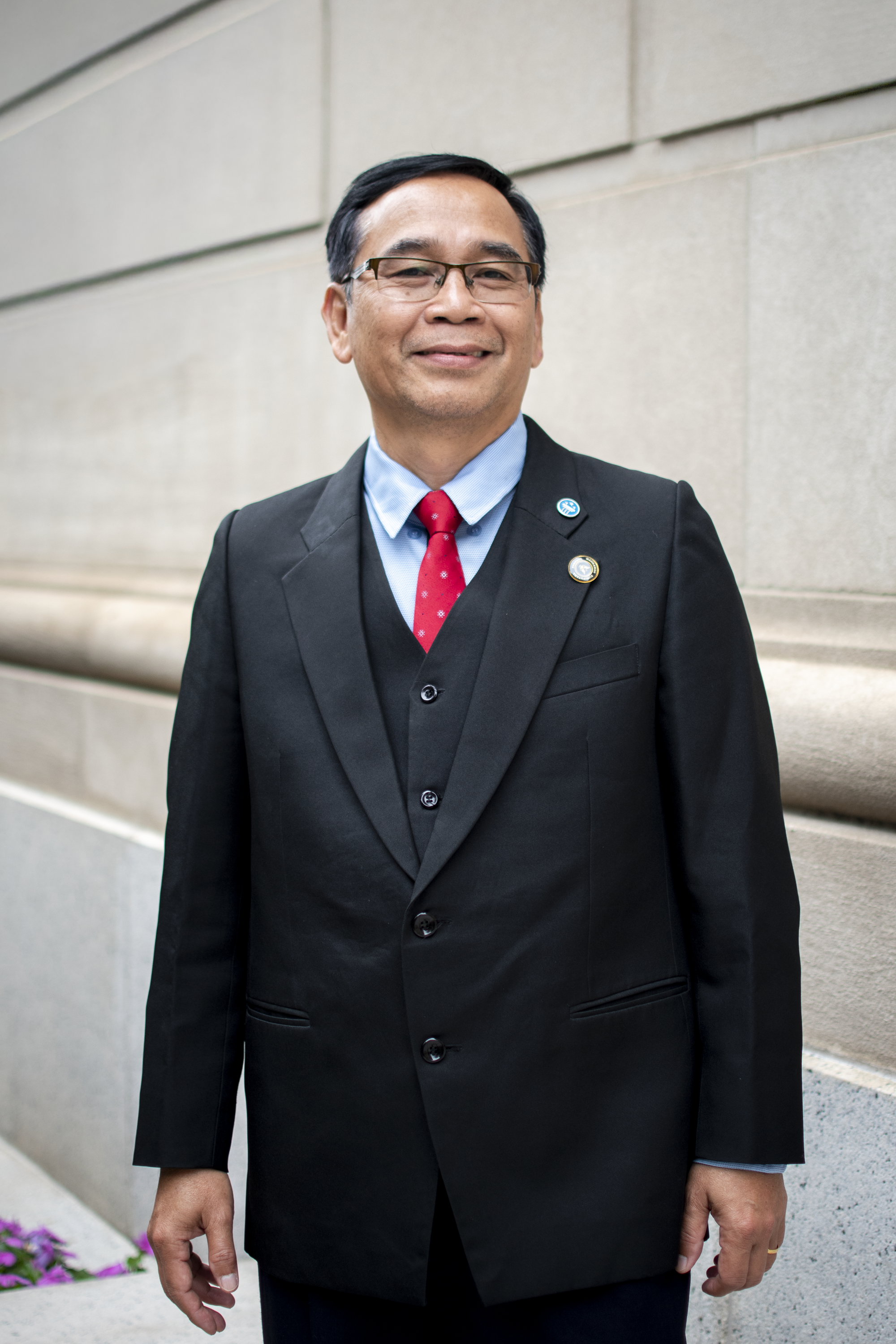
Ignatius Melaka Nisau
Ignatius Melaka Nisau has a diverse background in legal practice, as a corporate counsel and a magistrate. He was appointed as a District Native Court Magistrate, Sarawak, Malaysia, starting in January 2021. He is a secretariat member entrusted to look into the proposed draft bills on the planned transformation of the Native Courts of Sarawak, and is an active facilitator on the judicial management of cases for presiding officers of Native Courts of Sarawak.
Ignatius obtained his Diploma in Law and thereafter a Bachelor of Laws Degree with Honors from the University Technology MARA, Malaysia. He has been admitted and enrolled as an Advocate and Solicitor of the High Court of Malaya, Kuala Lumpur, and an Advocate of the High Court of Sabah and Sarawak.

Andrian Gladun
Andrian Gladun is a judge at the Commercial Court of the Cherkasy region of Ukraine, where he has served since 2021. Adrian also serves as a judge-coach at the National School of Judges of Ukraine, where he conducts seminars and lectures on the application of legal norms. Before his appointment, he practiced law as an attorney, with more than 17 years of professional legal experience acquired at leading Ukrainian law firms focusing on civil, commercial, and contract law.
Since March 2022, Adrian has participated in the defense of the state against the armed aggression of the Russian Federation as part of the voluntary formation of the territorial community of the city of Kyiv, “MRIYA,” and was earlier involved in legal projects to support independent media.

Nataliya Kovalenko
Nataliya Kovalenko is a Justice of the Supreme Court of Ukraine and a member of the Grand Chamber of the Cassation Administrative Court. For over eight years, she has served on the highest judicial bench, focusing on the protection of social rights and the legality of actions or inaction by the country’s top state authorities— the Parliament and the President of Ukraine.
Nataliya teaches at the National School of Judges, helping to shape a new generation of the Ukrainian judiciary. Since the beginning of the full-scale war, she has also served as Deputy Commander of a territorial defense platoon, combining her legal profession with civic responsibility.
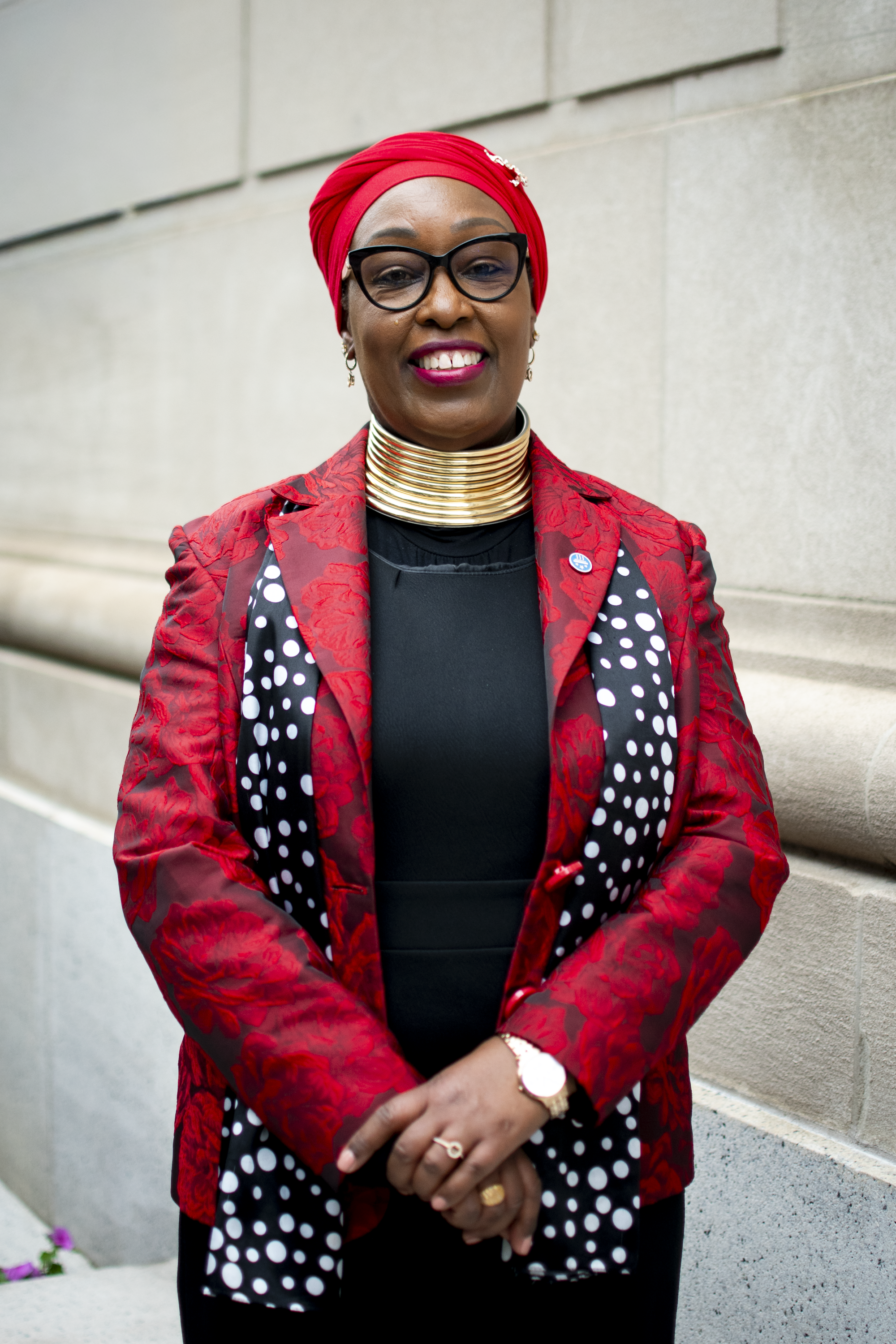
Jamila Mohammed
Jamila Mohammed is a Judge of the Court of Appeal of Kenya with over 30 years of experience in law, human rights, and judicial reform. A key figure in strengthening the rule of law in Kenya and Africa, she has helped shape constitutional, administrative, and human rights jurisprudence.
She played a pivotal role in Kenya’s constitutional transition as a Judge on the Interim Independent Constitutional Dispute Resolution Court. As Chair of Kenya’s National Committee on Genocide Prevention, she led national strategies on legal reform and atrocity prevention, contributing to a draft Genocide Prevention Bill. Regionally and globally, she has advanced the rule of law through roles with GAAMAC, the ICGLR, and the Auschwitz Institute. Her ongoing research and judicial leadership center on justice, gender, peace, and access to justice. Deeply committed to judicial independence, integrity, and wellness, she continues to promote ethical leadership and court efficiency.
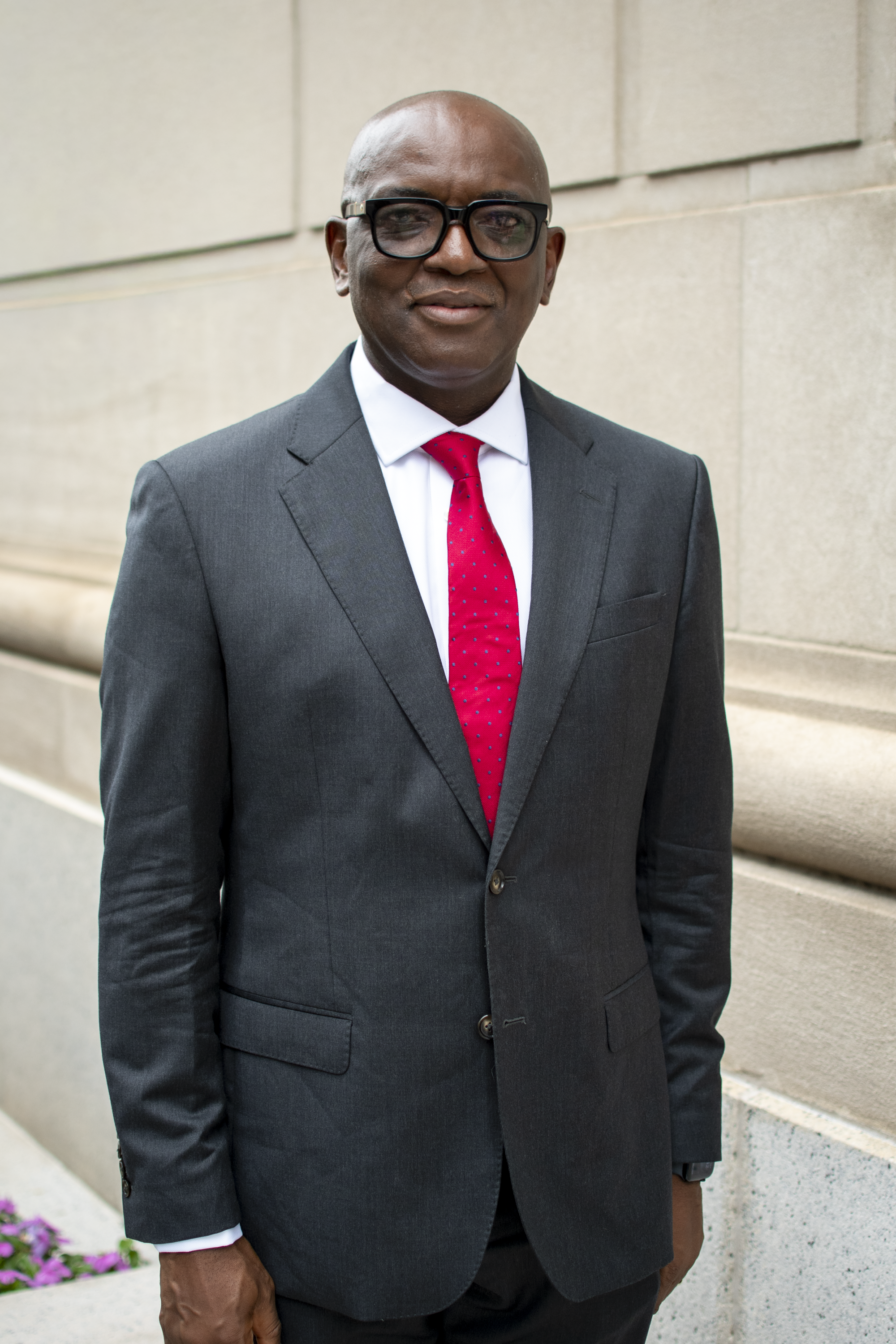
Nduka Michael Obi
Nduka Michael Obi is a Judge of the High Court of Delta State, Nigeria, and currently serves as a member of the Governing Council of the Delta State Multi-Door Courthouse. As a trained mediator from Kennesaw State University and Fellow of the Institute of Chartered Mediators and Conciliators, Nigeria, he has emerged as a leading judicial voice in promoting and institutionalizing Alternative Dispute Resolution. He has delivered numerous papers and training on mediation, criminal justice reform, leadership, and conflict resolution.
Nduka began his legal career at the firm of Chief C. O. Ihensekhien (SAN) & Co. He later became an accomplished commercial lawyer with G.M. Ibru & Co., where he played a pivotal role in the firm’s dispute resolution and M&A practice. Nduka is an alumnus of the University of Calabar (LL.B.) and the University of Lagos (LL.M. in Commercial Law and Corporate Securities).

Agnes Opoku-Barnieh
Agnes Opoku-Barnieh joined Ghana’s Judiciary in 2016 and has risen through the ranks to become a Justice of the High Court of Ghana with extensive experience in adjudicating civil and criminal cases. She holds an LL.M. in Transnational Legal Practice from St. John’s University School of Law, New York (2018), where she graduated summa cum laude and received multiple awards, including the Outstanding Academic Achievement Award and Dean’s Award for Excellence in International Human Rights Law. She also holds an LL.B. degree and a B.A. in Political Science with Philosophy from the University of Ghana.
She was called to the bar in 2012 after obtaining a Barrister-at-Law certificate from the Ghana School of Law. Agnes practiced as a lawyer before joining the bench in 2016. Agnes is also a Chartered Tax Practitioner and served as a Research Assistant to the 2010 Constitution Review Commission of Ghana.
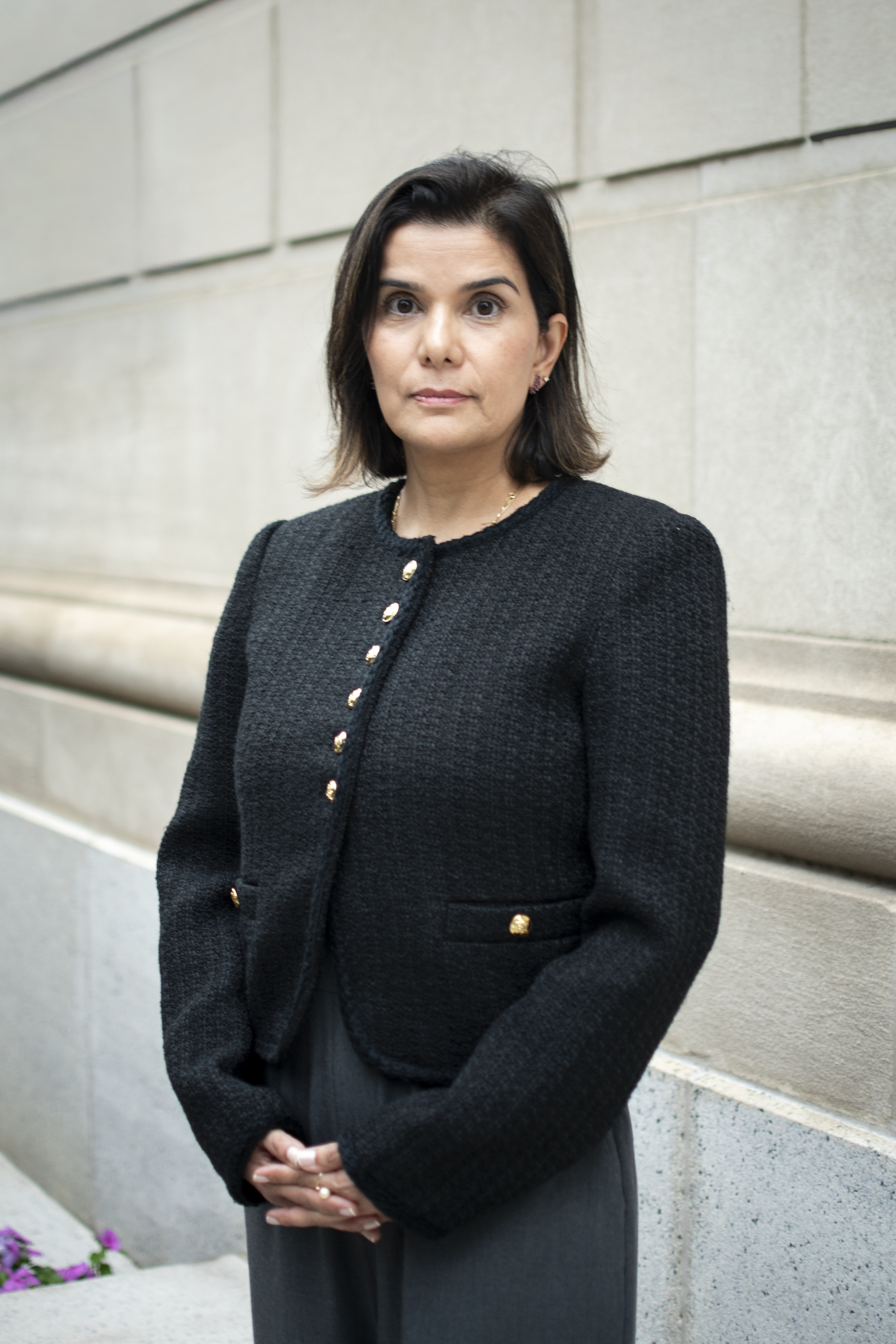
Janaína Rodrigues Valle Gomes
Janaína Rodrigues Valle Gomes is an experienced Federal Judge in São Paulo, Brazil, presiding over the 12th Court of Appeals with a focus on Civil, Consumer, and Privacy Law. She also leads the Data Protection Committee for the 3rd Circuit, advising the federal judiciary on data protection compliance. A former São Paulo State Prosecutor, she holds an LL.M. in Intellectual Property and Technology Law from the University of Pennsylvania Carey Law School, an M.Sc. in Human Rights Law, and an LL.B. from the University of São Paulo. Janaína is certified by the International Association of Privacy Professionals (CIPM, CIPP/E, CDPO/BR).
As a professor of Privacy Law, she has trained law clerks and novice judges, and published on artificial intelligence and privacy governance. She has spoken at numerous legal innovation events and contributed to the work of the first innovation laboratory within the Brazilian Judiciary. Under her leadership, the Data Protection Committee received Brazil’s National Council of Justice “Plain Language Award” for applying design thinking to privacy documents to enhance communication with society.
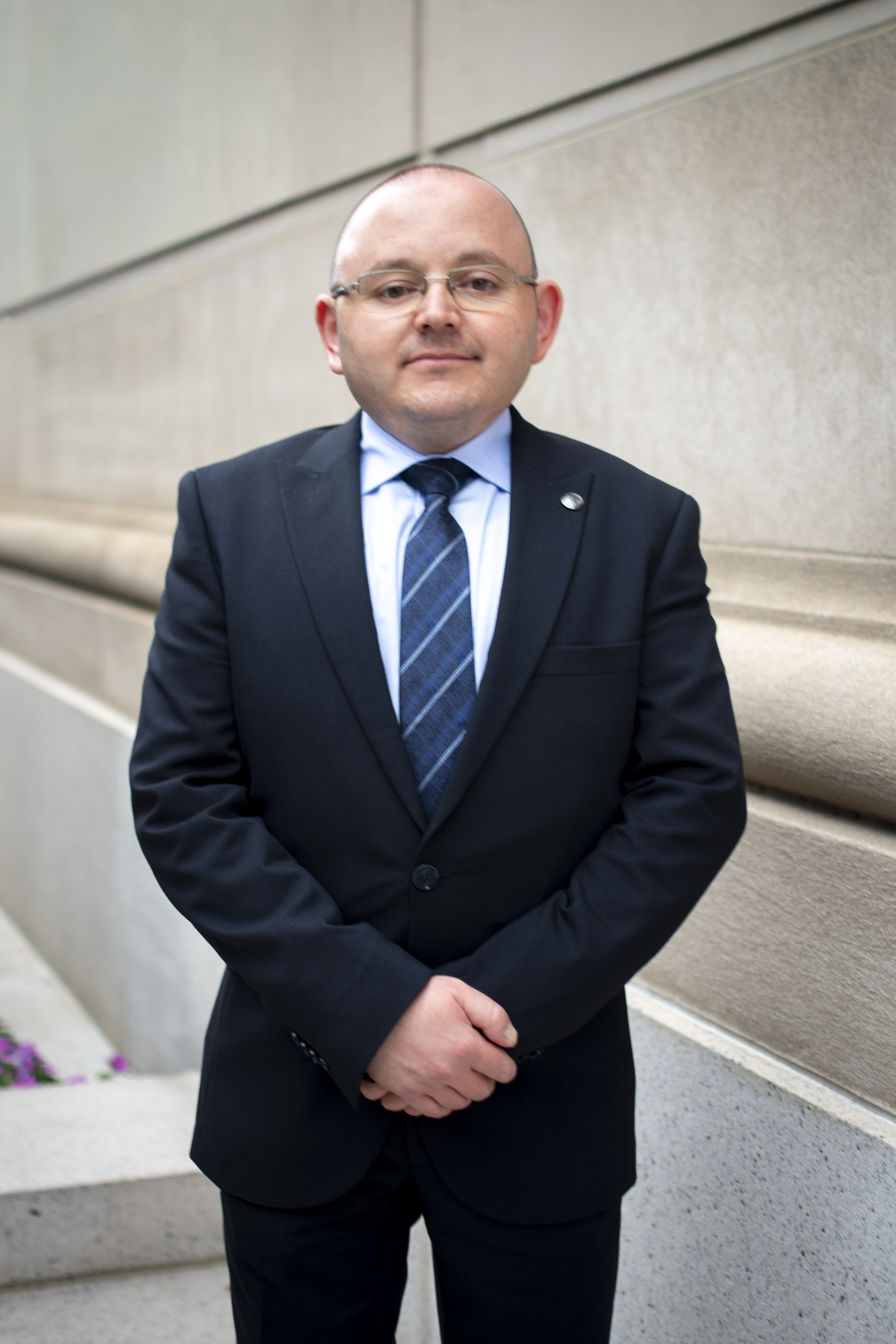
Engert Pellumbi
Engert Pellumbi is a Judge at the Special Court of Appeals for Corruption and Organized Crime. From January 2012 to February 2017, he worked as a judge at the First Instance Court for the District of Fieri; as a legal advisor at the Supreme Court of Albania from February 2017 to November 2020; and at the Vlora Court of Appeals from November 2020 to May 2022.
Engert is a part-time lecturer at the University of Elbasan and, since 2020, has served as a part-time lecturer and expert at the School of Magistrates. He has authored several publications in scientific journals and is fluent in English, Italian, and French.
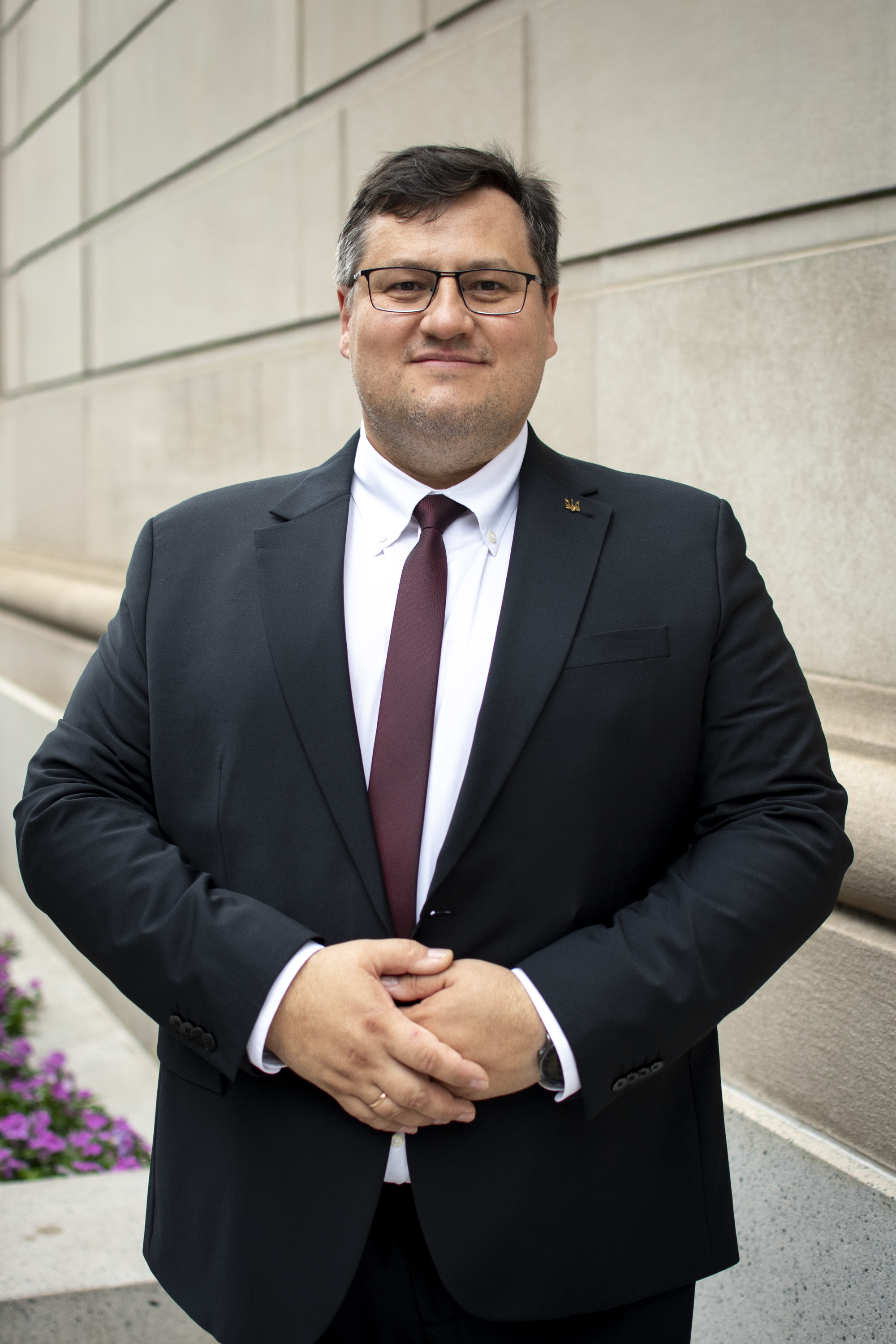
Viktor Prorok
Viktor Prorok is appointed Supreme Court judge of the Civil Cassation Court. He holds a Master’s degree in International Law and English translation, as well as an MBA. He began his legal career in 2003 as a junior associate and, before his appointment, worked as an attorney at one of Ukraine’s leading law firms.

Helena Refosco
Helena Refosco is a Judge at the São Paulo State Court of Justice. She has served as Auxiliary Judge at Brazil’s highest courts, including the Federal Supreme Court, Superior Electoral Court, and National Council of Justice. Her expertise spans class actions, access to justice, and judicial reform. Helena holds a Ph.D. from USP Law School, during which she was a Visiting Researcher at Harvard Law School. She recently completed the Hubert H. Humphrey Fellowship at American University Washington College of Law and the Federal Judicial Center Fellowship Program. She has taught at the University of Brasília and co-authored publications in prestigious journals including The Cambridge Handbook of Class Actions.
Helena has presented her research internationally at Harvard Law School, the World Bank, and other global forums. Her dissertation on Brazilian class actions was selected by Brazil’s Federal Supreme Court among 100 significant works by women Constitutional Law experts, and she was recognized among “Women Who Mark 150 Years of TJSP History.”
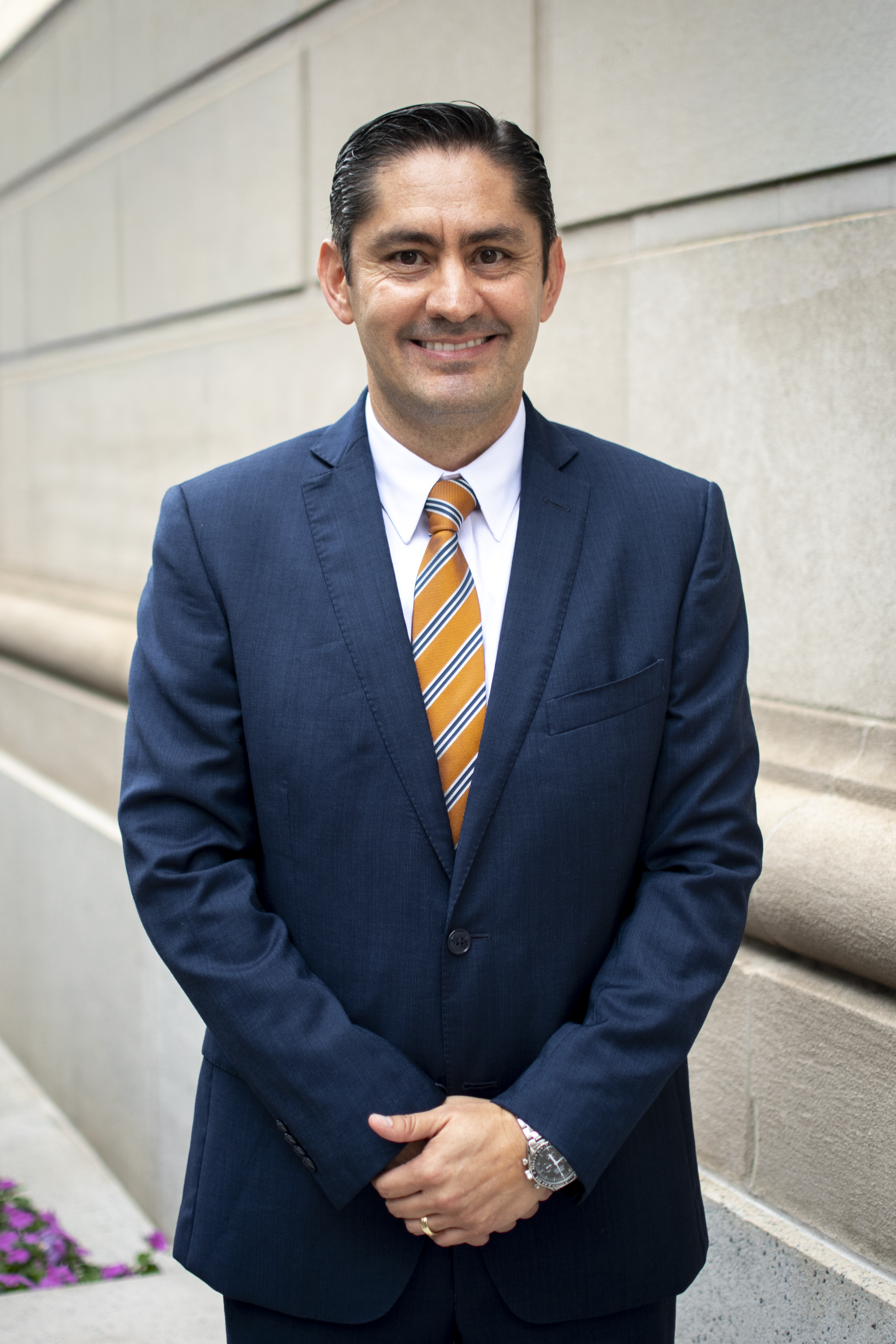
René Rubio Escobar
René Rubio Escobar is a federal magistrate with a judicial career spanning the last 24 years. He served as a secretary in federal courts for just over eight years, where he handled cases in criminal, civil, administrative, and labor matters. He achieved the positions of District Judge and Circuit Magistrate through competitive examinations, earning top ranks. Additionally, through the Federal Judicial Institute (now the Federal School of Judicial Training of Mexico), he obtained specialized degrees as a study and account secretary, as well as in judicial administration for district courts; in both cases, he gained entry through national competitive exams and merit.
As a federal judge, René has presided over significant cases, especially concerning indigenous consultation rights and environmental protection, the latter with an impact both in the court he serves on and within the Mexican legal system. Since 2009, he has served as a professor at the Federal School of Judicial Training and collaborates in the publication of opinion articles related to judicial function, ethics and rule of law.

Aisha Ally Sinda
Aisha Ally Sinda is a Judge at the High Court of Tanzania. She obtained her law degree from the University of Dar es Salaam in 2007. She also obtained a Postgraduate Certificate in Economic Law & Competition from the European Institute of Foreign Studies, Turin, Italy, in 2007. Judge Sinda further obtained her LLM in International Trade and Investment Law in Africa from the University of Pretoria, South Africa, in 2009. She engaged in private law practice soon after admission as an advocate of the High Court of Tanzania in 2011 and the High Court of Zanzibar in 2020.
Judge Sinda is zealous about community work, particularly legal education and training for lawyers, paralegals and the community. She has published extensively in the field of commercial and corporate law in Tanzania, and advances opportunities for women in law in Tanzania.
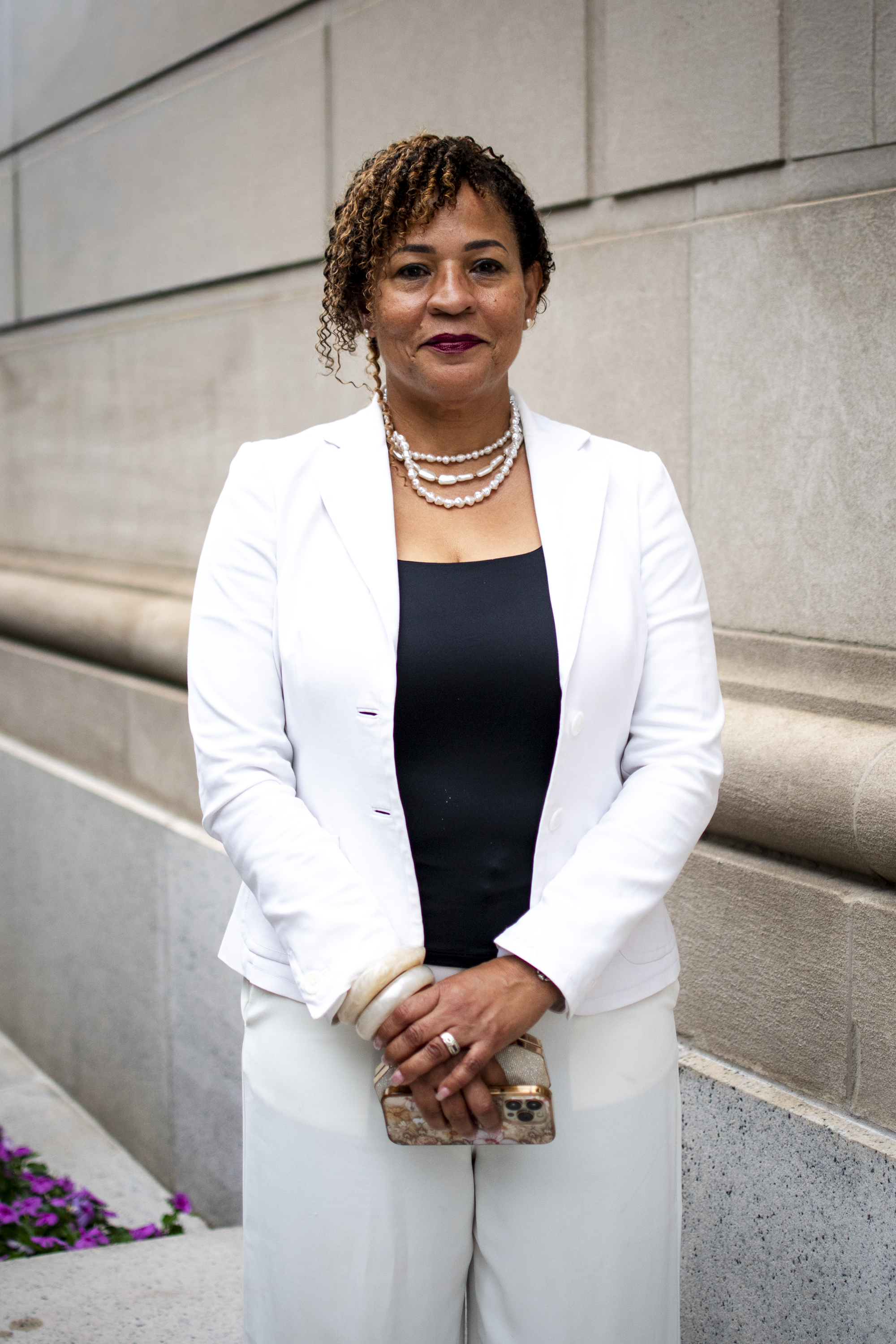
Vivian Taylor-Alexander
Vivian Taylor-Alexander is a High Court Judge of the Eastern Caribbean Supreme Court, currently assigned to the Criminal Division in Saint Lucia, with extensive experience in both the Civil and Criminal jurisdictions. She has also acted on the Court of Appeal and previously served as Solicitor General of Saint Lucia and in private practice. Throughout her career, Vivian has been a committed advocate for legal reform, particularly in advancing the rights of the child. She has contributed to the development of the Civil and Criminal Procedure Rules and played a key role in designing the framework for the appointment of Queen’s Counsel in the Eastern Caribbean. Additionally, she was instrumental in drafting the Disciplinary Procedure Rules under Saint Lucia’s Legal Practitioners Act.
Beyond the courtroom, Vivian serves on the Sentencing Advisory Committee and the Criminal Procedure Rules Committee, and chairs Saint Lucia’s Backlog Reduction Committee. She is a former Vice-Chairperson of the Caribbean Association of Judicial Officers and a fellow of the Commonwealth Judicial Education Institute.
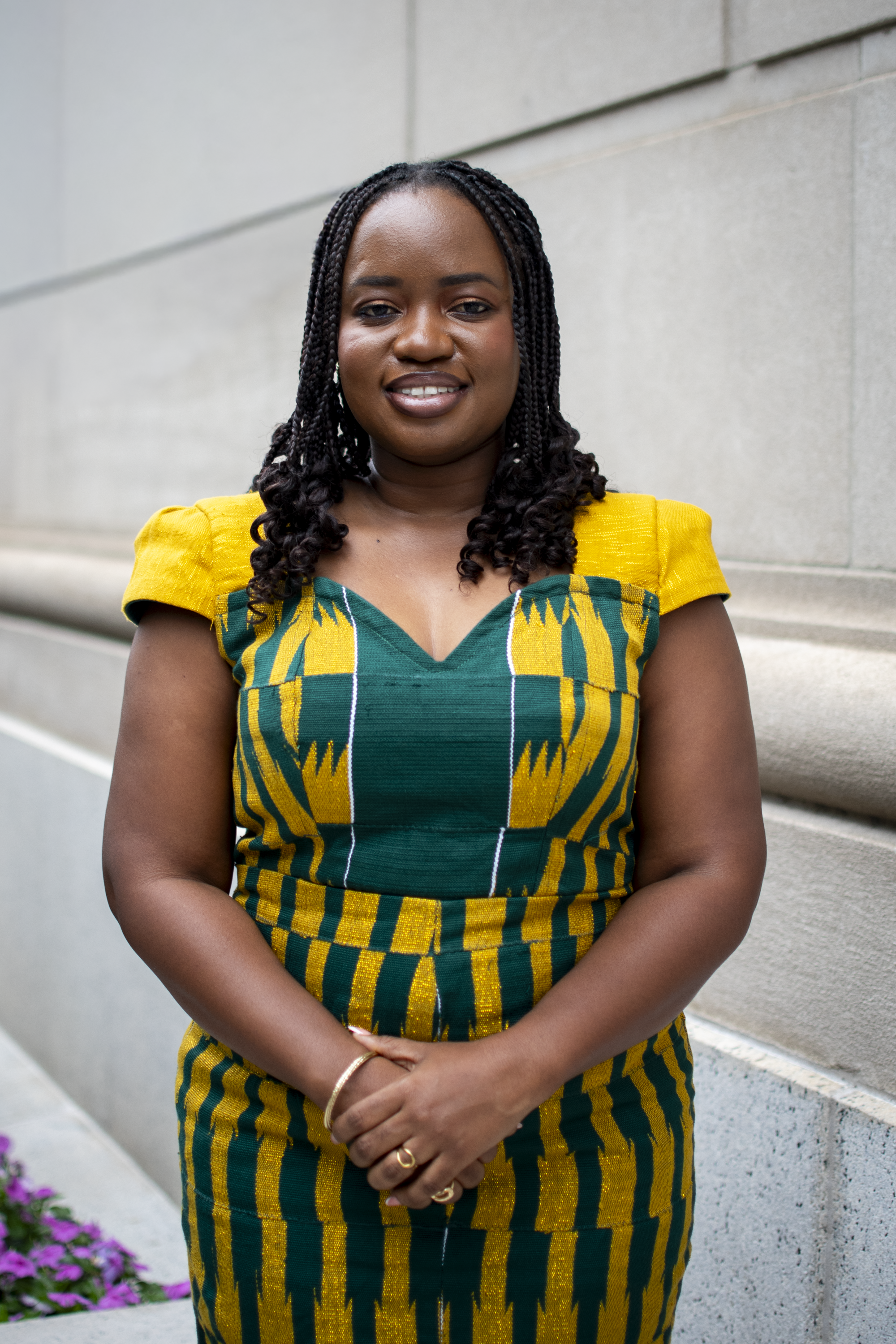
Veronique Praba Tetteh
Veronique Praba Tetteh is a Justice of the High Court of Ghana. She is an alumna of the Kwame Nkrumah University of Science and Technology and was called to the Ghanaian bar in 2011. She began her private practice at Sozo Law Consult, where she represented diverse clients in the law courts of Ghana, prosecuting and protecting their interests.
Having experienced the delays and inefficiencies of the justice delivery system, she resolved to join the bench as it would enable her to contribute to the much-needed reforms in the justice sector. She was appointed a District Magistrate in 2014 and, with consistent dedication and execution of her duties, rose through the ranks, being elevated in 2024 to the position of High Court Judge. In 2020, she was awarded the prestigious Chevening Scholarship, which enabled her to pursue her master’s degree at the University of Birmingham, UK, securing a master’s in International Law: Crime, Justice and Human Rights.
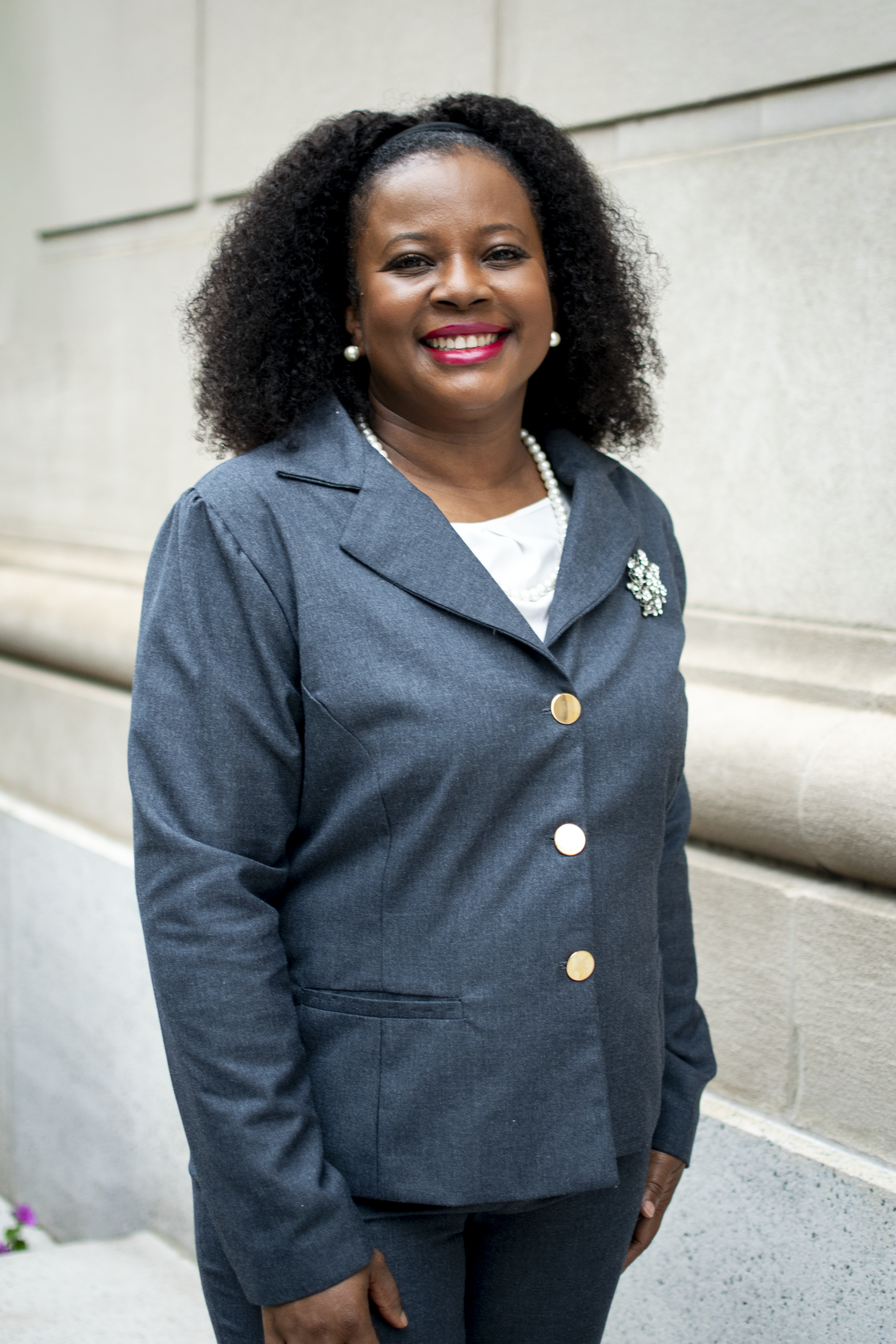
Simone Walker-McFarlane
Simone Walker-McFarlane is a Parish Court Judge with a multi-disciplinary background. She is a graduate of the University of Strathclyde with an LLM in International Law and Sustainable Development, which she obtained on a Commonwealth Scholarship. She also holds a Bachelor of Laws, first class honors, from the University of the West Indies. Currently assigned to the Corporate Area Parish Court, Criminal Division, she hears indictable, summary, and extradition matters.
Simone has participated in several international programs and is a Rising Leader Fellow, having participated in the program under the umbrella of the International Association of Women Judges in 2023. She has a passion for training and has spearheaded programs for internal staff training and development to include prosecutors in the Courts she has been assigned to. An adept writer who has an unwavering commitment to human rights, Simone has authored and co-authored several publications addressing this issue. She continues to play a pivotal role in the administration of justice as an astute community advocate with exceptional leadership skills, holding distinctive roles in regional and international organizations.
The Judicial Fellowship Program is presented by the Presidential Precinct in partnership with the U.S. Chamber of Commerce Foundation.
Together, the two organizations bring international judicial leaders into conversation with judges, scholars, legal professionals, and institutional partners across Washington, D.C., and Virginia.
The program reflects a shared belief that strong, ethical, and independent judiciaries are essential to the rule of law, public trust, and thriving societies.
The Presidential Precinct is shaping the leaders of tomorrow. Subscribe to our newsletter for leadership insights and opportunities to get involved.