

The Presidential Precinct and the U.S. Chamber of Commerce Foundation are proud to introduce the 2024 cohort of the Judicial Fellowship Program: distinguished judges and judicial leaders working to strengthen justice systems, uphold judicial integrity, and advance the rule of law in their countries and communities.
This fall, the Fellows will travel to Washington, D.C., and Virginia for an immersive two-week professional exchange. Through practical workshops, institutional visits, candid peer conversations, and engagement with leading members of the American legal community, they will explore the responsibilities — and possibilities — of judicial leadership.
Representing diverse legal traditions, courts, and regions of the world, the 2024 Fellows share a commitment to fair, effective, and independent justice.

Ana Maria Ibarra Olguin
Ana Maria Ibarra Olguin clerked in the Supreme Court of Justice of the Nation, where she oversaw the creation of relevant rulings regarding human rights, such as the right to the recreational use of marijuana, the right to abortion, and the first tort law case in which a judgment was granted to the victims.
Ana Maria pursued advanced academic training at the University of Virginia, earning both her M.A. and Ph.D., culminating in a thesis on burden of proof in indirect discrimination cases under the guidance of Professor Frederick Schauer. This background led Ana Maria to become the general director of the Center for Constitutional Studies of the Supreme Court, an institution that, under her leadership, became a global academic hub, publishing more than 80 publications and holding multiple seminars with participants from all over the world. Three years ago, after winning a competitive examination, Ana Maria became a federal magistrate. She believes that her experience has sensitized her colleagues to issues related to migrants and victims, particularly. Ana Maria looks forward to continuing in her position for at least three more years.
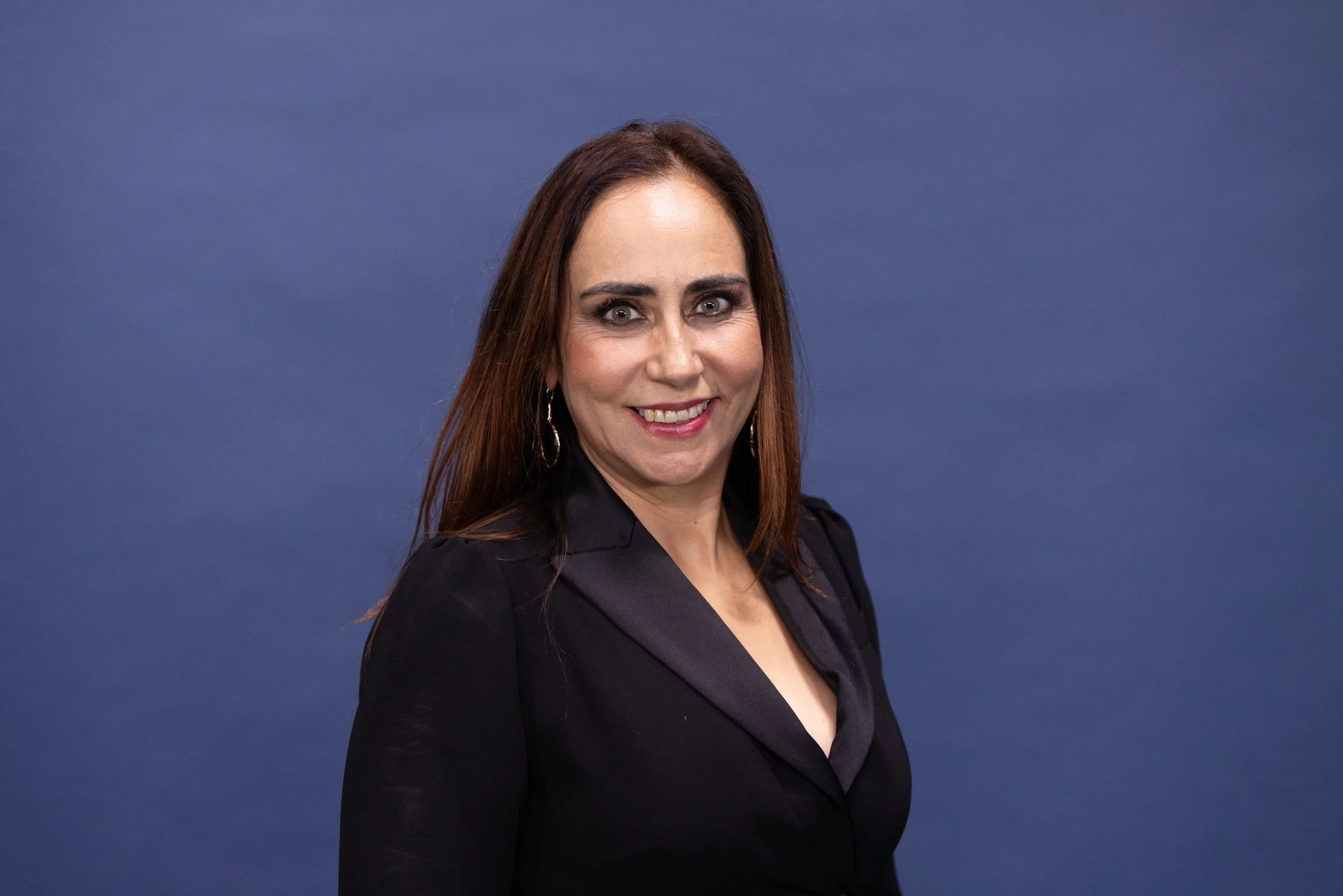
Bertha Patricia Orozco Hernandez
Bertha Patricia Orozco Hernandez graduated with a bachelor’s degree in law from the University of Guanajuato. In 2000, Bertha worked as a secretary for a Federal Court in Guanajuato, and in 2005, she became a District Court Clerk. Bertha’s duties consisted of issuing draft rulings in “amparo”, civil, mercantile, and criminal trials. She then pursued a master's degree at the University of Guanajuato. In her duties as Federal Judge in 2019, in the city of Pachuca, Hidalgo, Bertha resolved a diversity of matters involving the human rights of migrants, children, indigenous communities, and LGBTIQ+ people.
As a member of the board of directors of the Asociación Mexicana de Juzgadoras A.C., she disseminated in several universities and institutions throughout Mexico the "Protocol for Judging with a Gender Perspective". Bertha pursued further academic advancement and is nearing completion of a master's degree at the University of León in Spain in Legal Argument. Since 2023, Bertha has been a Federal Criminal Execution Judge, and her duties are aimed at protecting, promoting, and enforcing the rights of people who are deprived of their liberty.
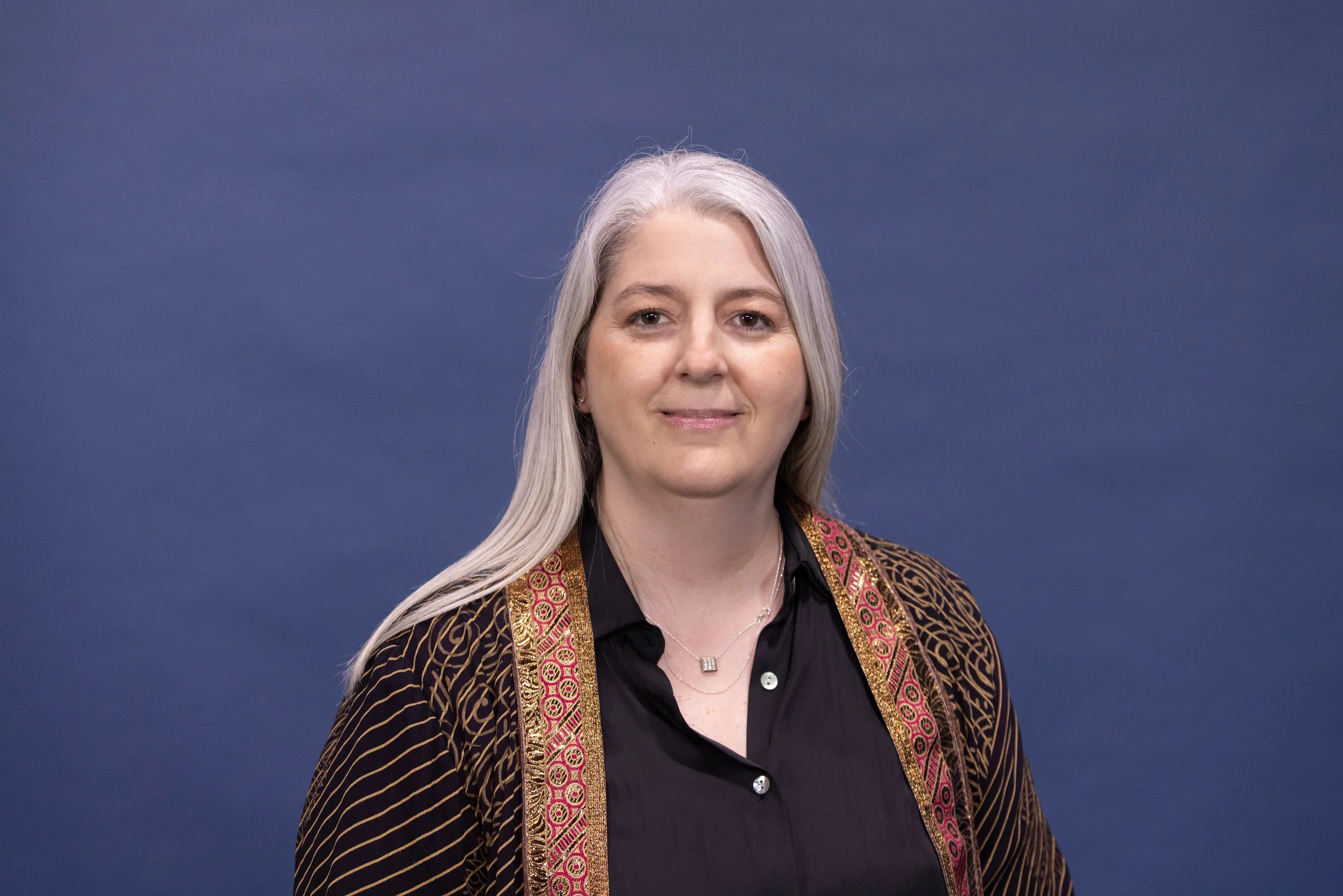
Carla Pandolfi
Carla Pandolfi is a lawyer who graduated from the National University of Comahue and the University of Buenos Aires with specialties in criminal law, criminal sciences, and civil procedural law. She is a graduate of the Inter-American Trainer Training Program for Criminal Procedure Reform 2007, taught by the Justice Studies Center of the Americas. Carla holds a Higher Diploma in Management Control and Public Policies from the Latin American Faculty of Social Sciences, Argentine Headquarters. She is a Scholarship Intern at the Public Prosecution Service of Canada, in the cities of Ottawa, Ontario, and Montreal, Quebec, selected on merit through JSCA. She is also a graduate of the Regional Training Program in Gender and Public Policies, Prigepp – FLACSO.
She served as the Coordinator of the Interpowers Commission of the Legislature of Neuquén for the Criminal and Civil Procedure Reform from 2004 to 2012. Carla has been a member of the Judiciary of Neuquén since 2013. Currently, she is a PhD candidate at the University of Mendoza studying law and new technologies, and an assistant to the presidency of the Supreme Court of Neuquén Province.
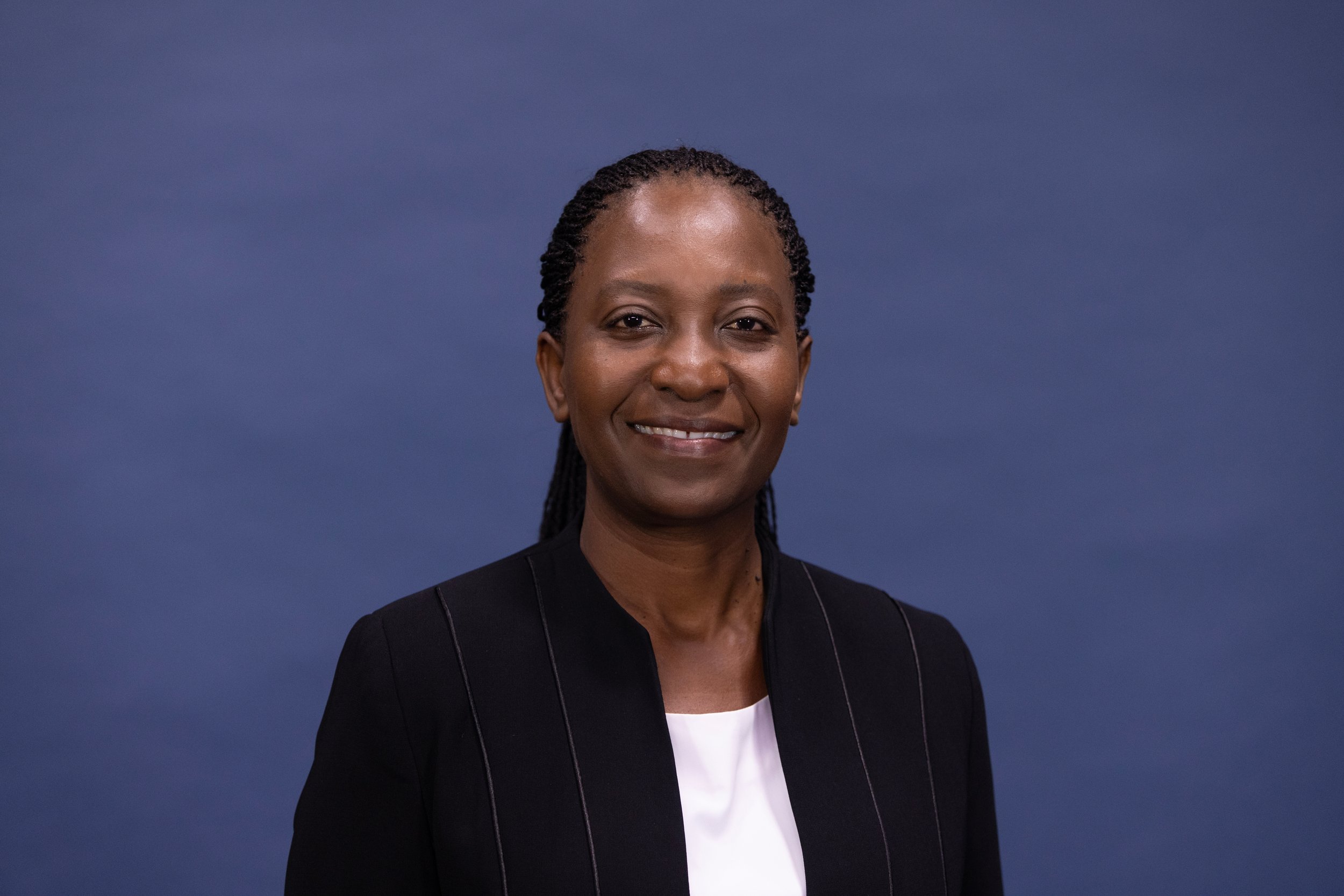
Dorothy Kamanga
Dorothy Kamanga is a Justice of Appeal in the Malawi Judiciary with jurisdiction over civil and criminal matters. She began her judicial career in 2003 and has served as a magistrate, Registrar, and High Court Judge. She obtained her LLB Hons degree from the University of Malawi and holds an MA degree from Rutgers University and an LLM degree from the University of Cape Town. She is responsible for leading the Judiciary’s Committees on Election Dispute Resolution & Gender and Anti-Sexual Harassment and is a member of the Performance Management Committee.
Kamanga previously led the task force that promoted the establishment of the Financial Crimes Division and was a member of the Special Law Commission to review the Legal Aid Act. She lectures the bar course in Criminal Litigation at the Malawi Institute for Legal Education and previously taught Lay Magistrates at the Malawi School of Government. She contributed a chapter titled ‘The Role of the Judiciary in Safeguarding and Ensuring Access to Criminal Justice During the Pretrial Stage’ in "Goal 16 of the Sustainable Development Goals"(2016) and co-authored "Dispossessing the Widow: Gender Based Violence in Malawi" (2002).
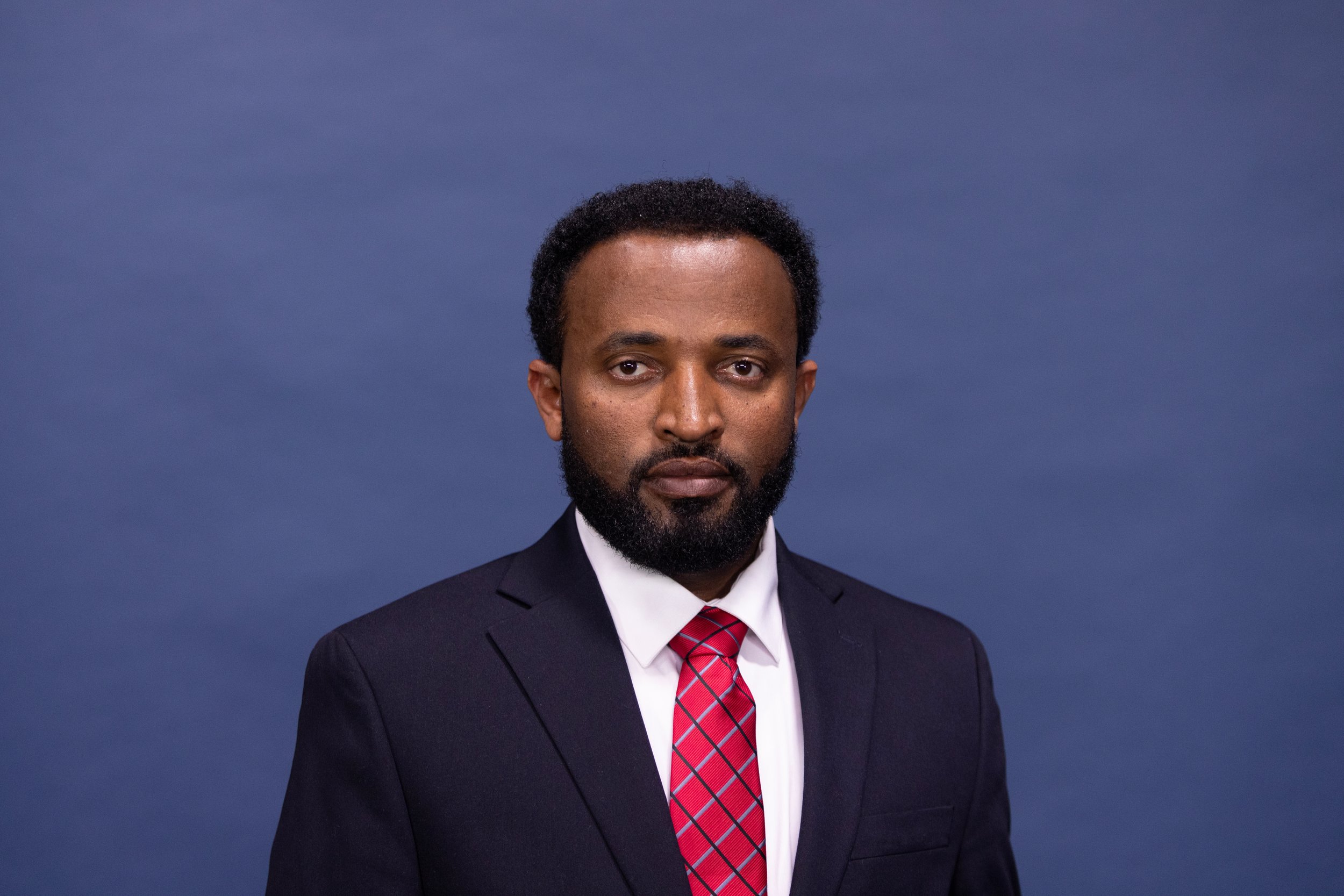
Eshetu Yadeta Temesgen
Eshetu Yadeta Temesgen graduated with an LLB Degree in 2011 from Bahir Dar University and with an LLM Degree in 2017 from Haramaya University. He is currently a PhD candidate in Law and Development at Bule Hora University and works as a Justice of the Supreme Court of Oromia, Ethiopia. In addition to working as a Justice in the State Supreme Court, he works as a Judicial Trainer at the Federal Democratic Republic of Ethiopia Law and Justice Institute. Before joining the Supreme Court, he worked as President of the High Court in North Shawa County.
Furthermore, he was elected as one of the nine members of the Judicial Administration Commission and the Law Reform Commission of the Supreme Court of Oromia. He also used to teach as a part-time lecturer at Haramaya, Addis Ababa, Oromia State, and Salale Universities. He has presented different papers on different platforms, including national and international conferences. While working as President of the High Court, he won the best performance award three times. He worked with the Center for Development and Capacity on the rule of law and democracy. He is highly passionate and committed to working on the rule of law and democracy.
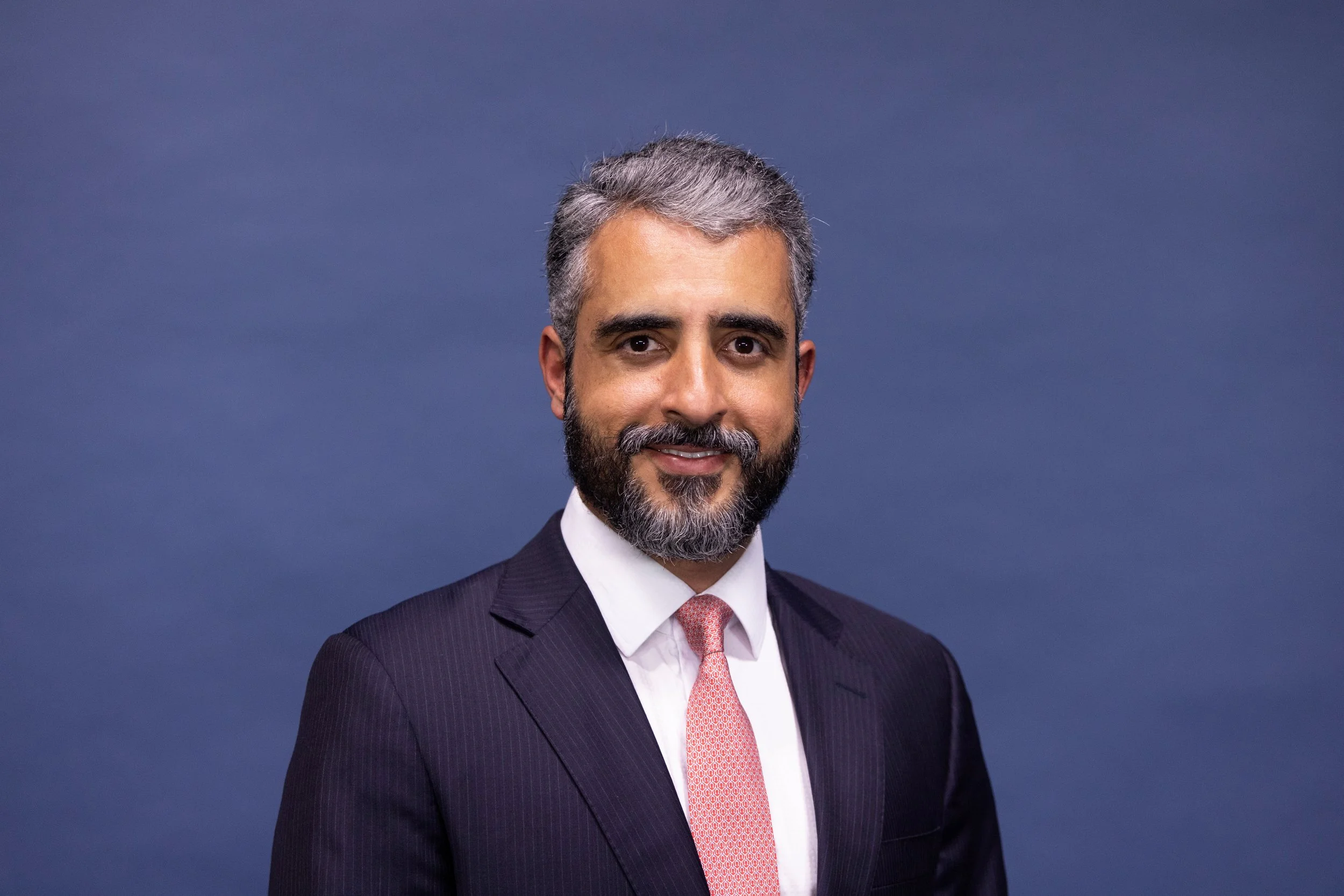
Etiene Coelho Martins
Etiene Martins has been a federal judge in the District of São Paulo, Brazil since 2024. He has presided over civil and criminal cases (e.g., corruption), supported dispute resolution across courts, and promoted criminal justice reform by training judges on sentencing topics at the Judicial College (e.g., racial disparities in sentencing). He sat as an auxiliary judge on Brazil’s Supreme Court from 2021 to 2023 and assisted justices in hearing political corruption cases (e.g., Brazilian senators).
Before his judicial appointment, Etiene was a police officer in Rio de Janeiro, Brazil, for 16 years, from 1998 to 2014. Since 2016, he has undertaken conflict resolution initiatives that have helped police officers act as peacebuilders and bridge the gap between police and communities. Etiene Martins is a PhD candidate in Criminology at the University of Oxford, UK, and holds a master's degree (LLM) from Harvard Law School with a major in criminal justice and conflict resolution. He is a McCain Global Leader fellow and a senior fellow at the Weinstein International Foundation. The belief in a just, democratic, and peaceful Brazil is the foundation of his work in the judiciary and police."
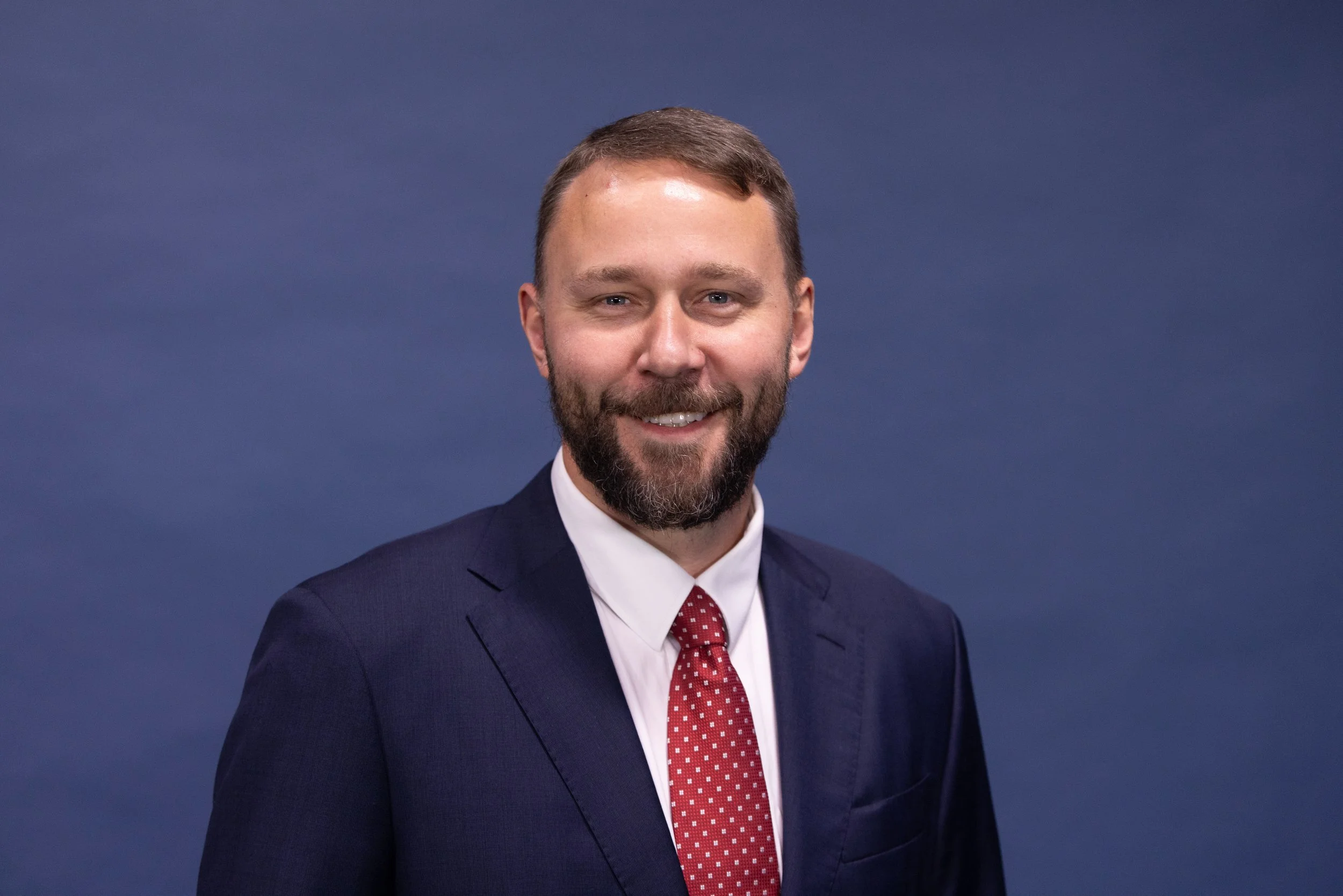
Ivan Mishchenko
Judge Ivan Mishchenko has had a private legal practice since 2006. From 2014 to 2017, he was a Managing Partner of the Law Firm “Trusted Advisors”. Since 2017, he has been a Judge of the Commercial Cassation Court of the Supreme Court. He mainly specializes in contract and property disputes. He is one of the authors and trainers of the Structure of Judgments training course for the Supreme Court Judges.
From 2021 to 2024, he was a member and the Chair of the Selection Commission for selecting the members of the High Qualification Commission of Judges of Ukraine, which became operational in June 2023. In February 2022, Judge Mishchenko joined the Armed Forces of Ukraine (93rd Brigade) after the full-scale invasion. Currently, Judge Mishchenko continues to act in his capacity as a Judge of the Supreme Court in Ukraine.
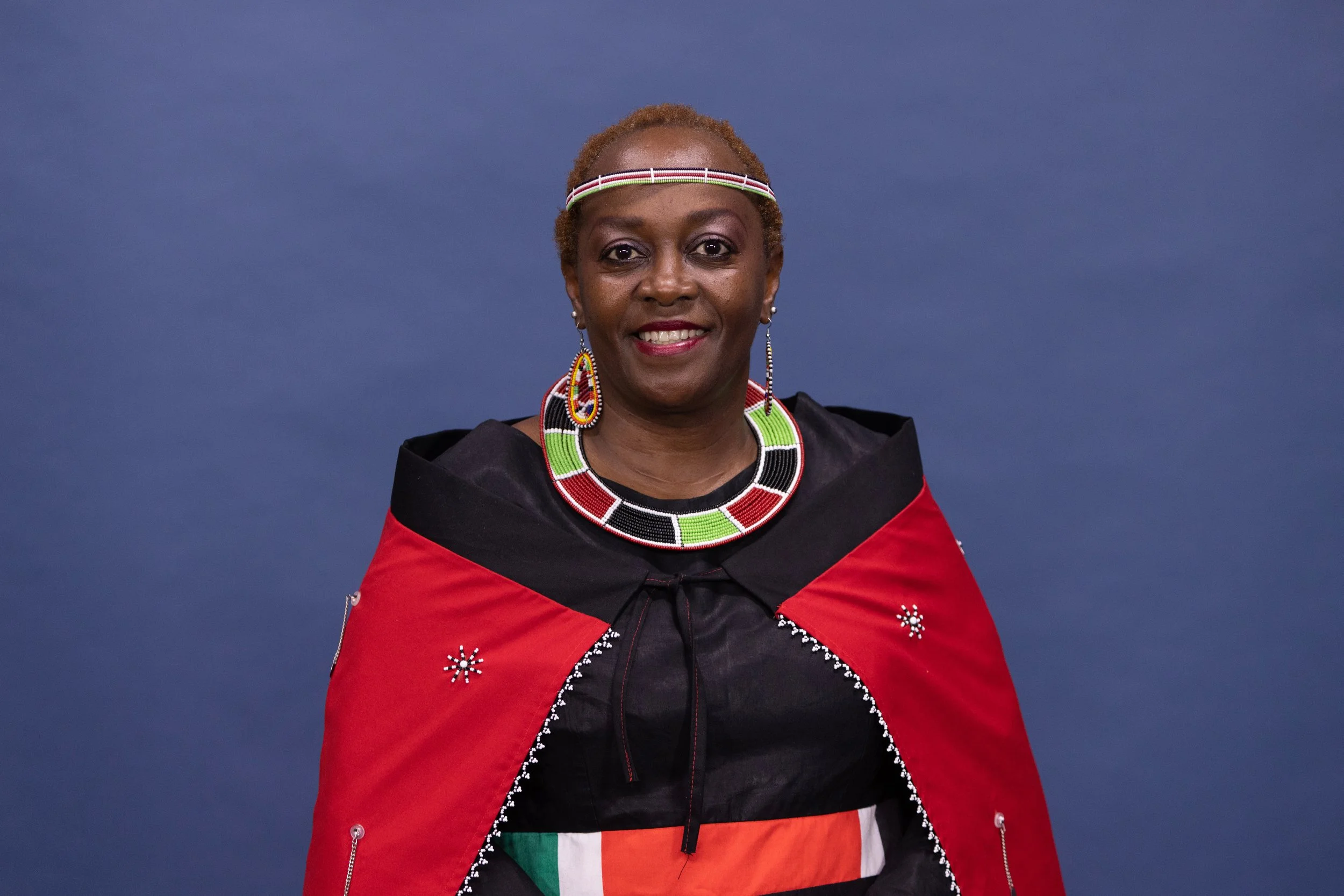
Jacqueline Kamau
Jacqueline Kamau was admitted to the bar of the High Court of Kenya in 1993. Before this appointment, she served as a legal advocate and as a member of the Integrated Court Management Systems (ICMS) and Mediation Committees. Jacqueline is the former President of the Kenya Magistrates and Judges Association (KMJA) and former Chair of the Chartered Institute of Arbitrators Kenya. She served as a member of the East African Judges and Magistrates Association (EAMJA), the EAMJA Gender Sub-Committee, and the Project and Planning Committee of the International Association of Women Judges (IAWJ) Kenya Chapter.
Additionally, Jacqueline was on the conciliation panel of the International Centre for Settlement of Investment Disputes (ICSID) for two terms, the panel of the International Commercial Disputes Tribunal in Alternative Dispute Resolution, and the Child Practitioners Committees of the Law Society of Kenya (LSK). She also served in the Governance Sector of Kenya Private Sector Association (KEPSA) and on the Board of Management of Mukerenju Secondary School. Jacqueline is a Member of the Federation of Women Lawyers (FIDA) and Director of the Board of the Strathmore Dispute Resolution Centre (SDR).
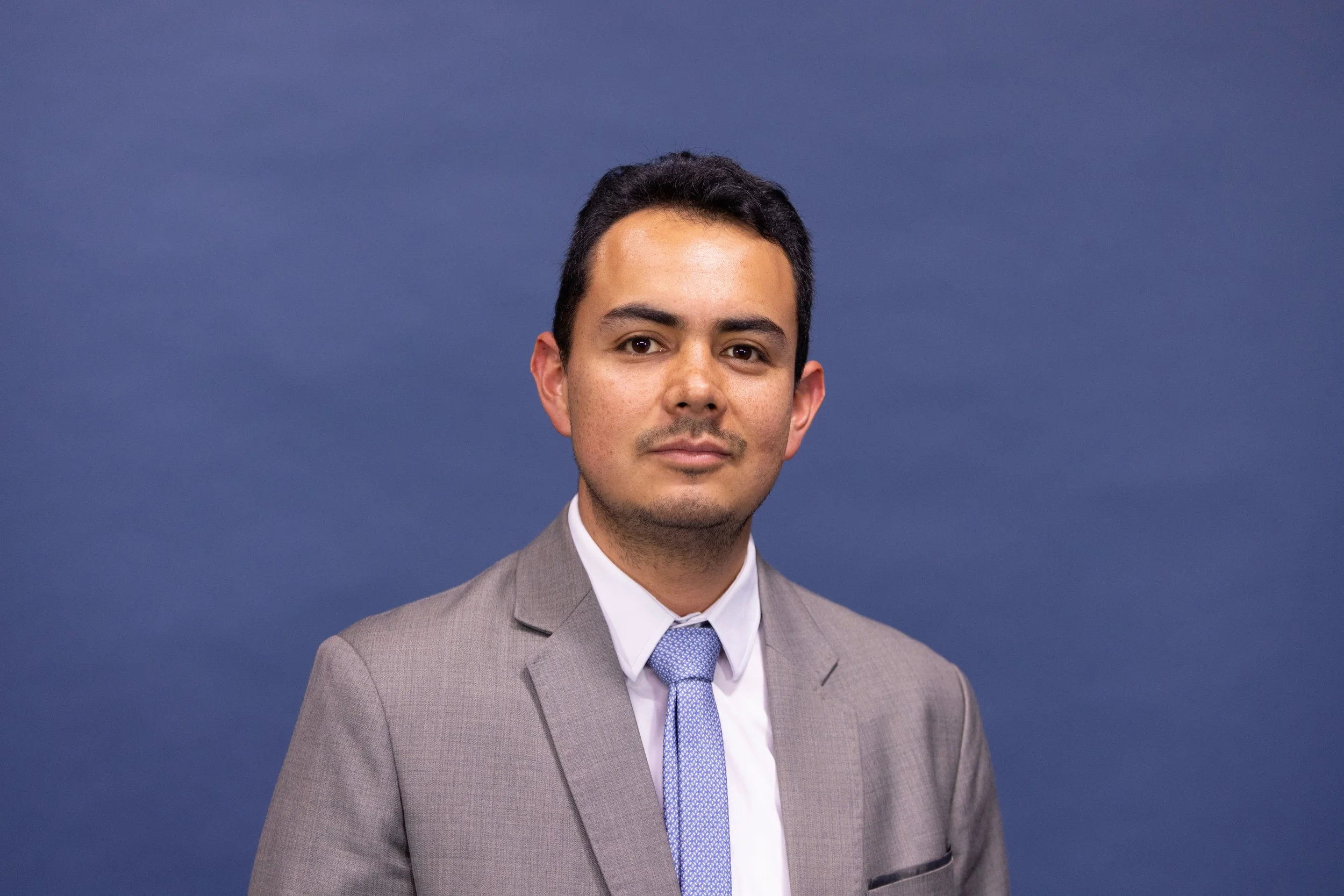
Kevin Cabezas Páez
Kevin Cabezas Páez holds master’s degrees in criminal law and procedural law and is currently pursuing a master's degree in constitutional law. He previously worked as a criminal lawyer and as a judge at the Criminal Guarantees Court in the province of Tungurahua, Ecuador. He is currently a trial court judge in Quito, having national jurisdiction over crimes of corruption and organized crime. He has also published research in national and international magazines.
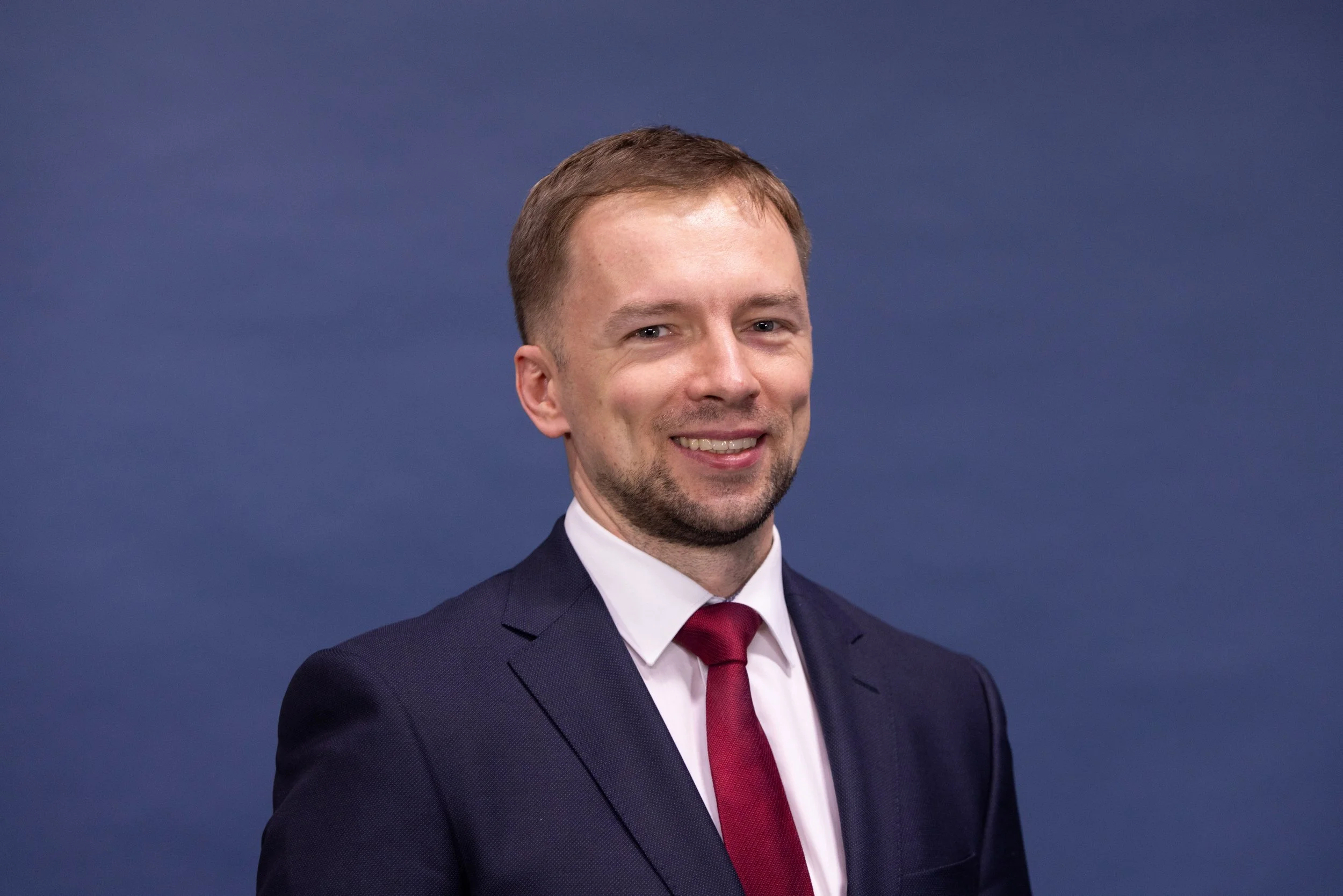
Kostiantyn Pilkov
Kostiantyn Pilkov, PhD, has been a Justice of the Supreme Court of Ukraine since 2017. In 2020, he was elected to the Grand Chamber and reelected in 2023 for a second term. The Grand Chamber is responsible for deciding important cases in commercial, civil, criminal, and administrative jurisdictions in order to develop a unified application of the law.
Before he was appointed a Supreme Court Justice, Mr. Pilkov practiced law as an attorney and arbitrator at several national and international arbitration institutions. Mr. Pilkov has authored books and research papers on the theory of evidence and proof in international commercial arbitration and court proceedings. He also lectured as an associate professor at the Department of Civil, Commercial, and International Private Law of the Kyiv National University of Trade and Economics from 2016 to 2022.
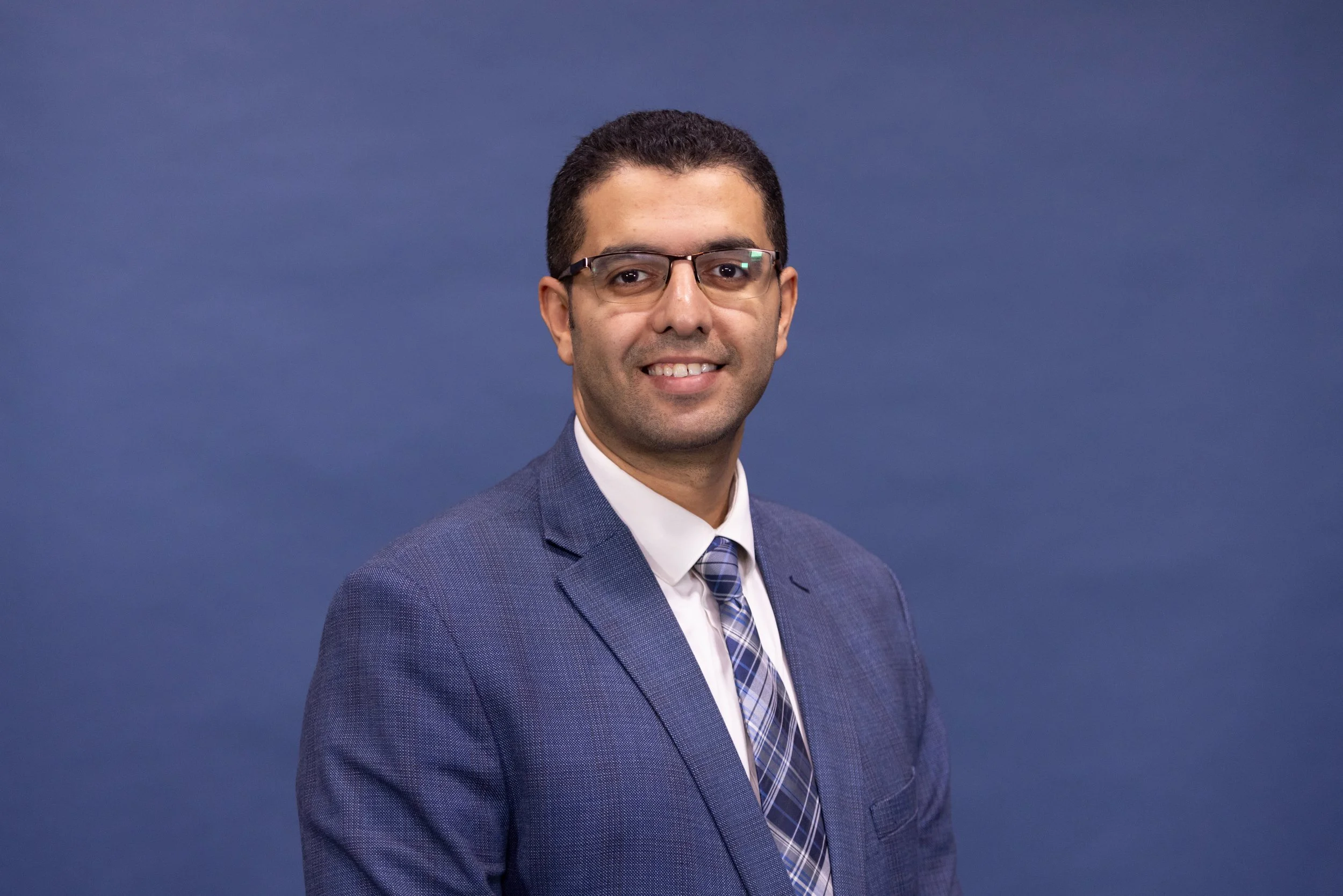
Moustafa Ahmad Kamal
Moustafa Kamal is a mid-career law practitioner with fifteen years of experience in different positions across the academic, legal, and judicial fields. He started his career as a teaching assistant in the Civil Law Department at Alexandria University. Following this time in academia, he was selected to serve as a Public Prosecutor.
Currently Moustafa is a Senior Judge, managing a major national judicial reform project, titled: “Project for supporting and enhancing the principles of governance and good administration in the Egyptian Judiciary”. His legal qualifications include an LL.B. and two postgraduate Diplomas from Alexandria University, an LL.M. in International Commercial and Business Law from the University of East Anglia (Chevening scholarship- The UK), and an LL.M. in International and Comparative Law from the American University in Cairo (Yousef Jameel Public Leadership Fellowship). Moustafa also holds an MBA with specialization in government and the public sector from the French Higher School of Applied Sciences "ESLSCA-Egypt Campus". He is currently studying a Ph.D. in Governance and Anti-Corruption at Cairo University.
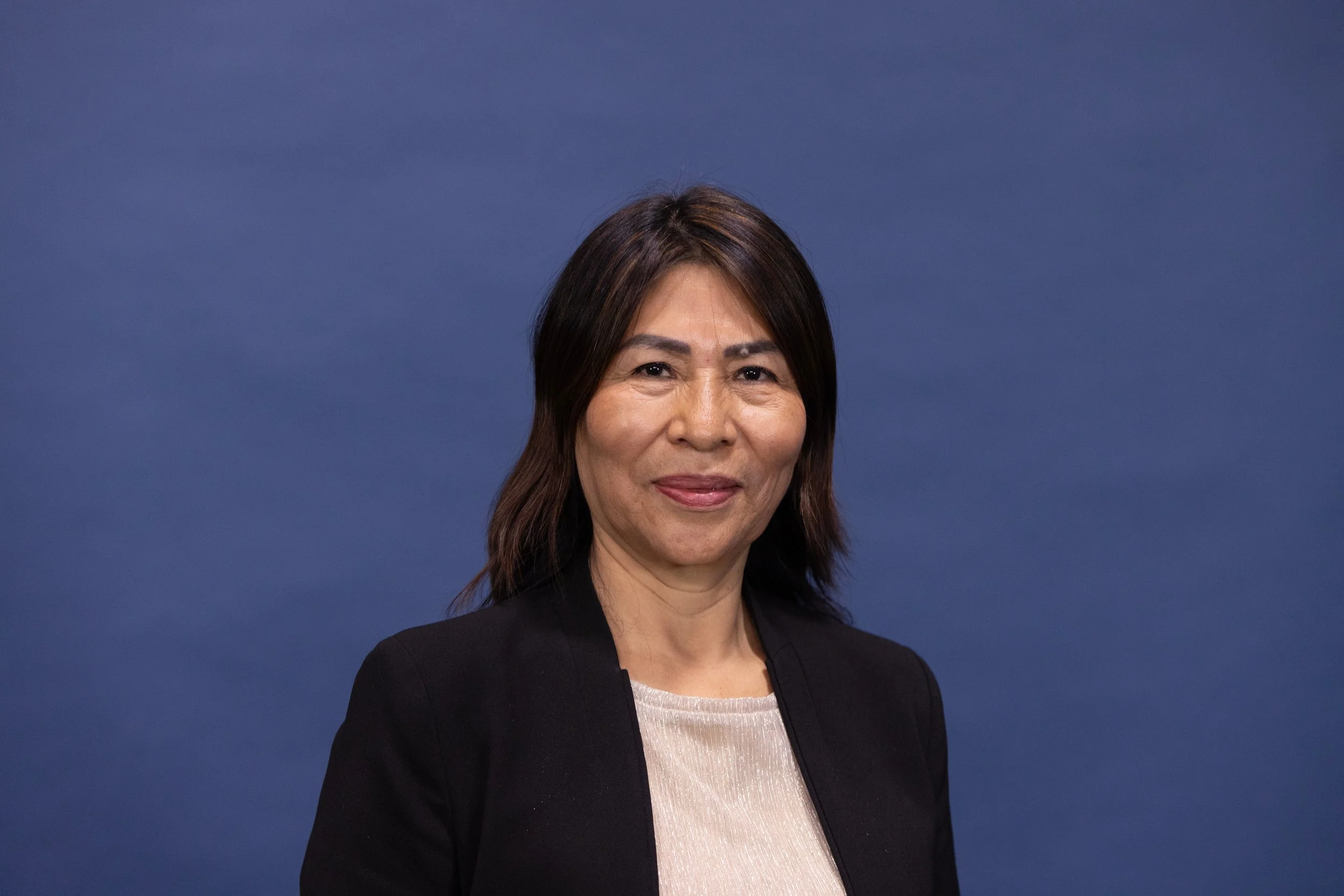
Nancy Carmen
Nancy Carmen is an accomplished legal professional with extensive experience in both judicial and academic fields. She holds a Doctorate in Law and Political Science from Federico Villarreal National University, along with Master's degrees in Criminal Law from the same institution and Criminal Procedure from Inca Garcilaso de la Vega University. Additionally, Nancy has completed a graduate program in Civil and Commercial Law.
Throughout her career, Nancy has served in various prestigious judicial roles, including as a Senior Judge at the Superior Court of Justice of Callao, a Specialized Criminal Judge at the Superior Courts of Justice in Piura and Lima, and as a Confidential Secretary at the Supreme Court of the Republic. These experiences have provided her with a profound understanding of the legal system and enhanced her judicial acumen. In the academic realm, Nancy has been an assistant professor at several universities, including the National University of Piura, Inca Garcilaso de la Vega University, and Alas Peruanas University, where she has taught Criminal Procedural Law and General Criminal Law.
.
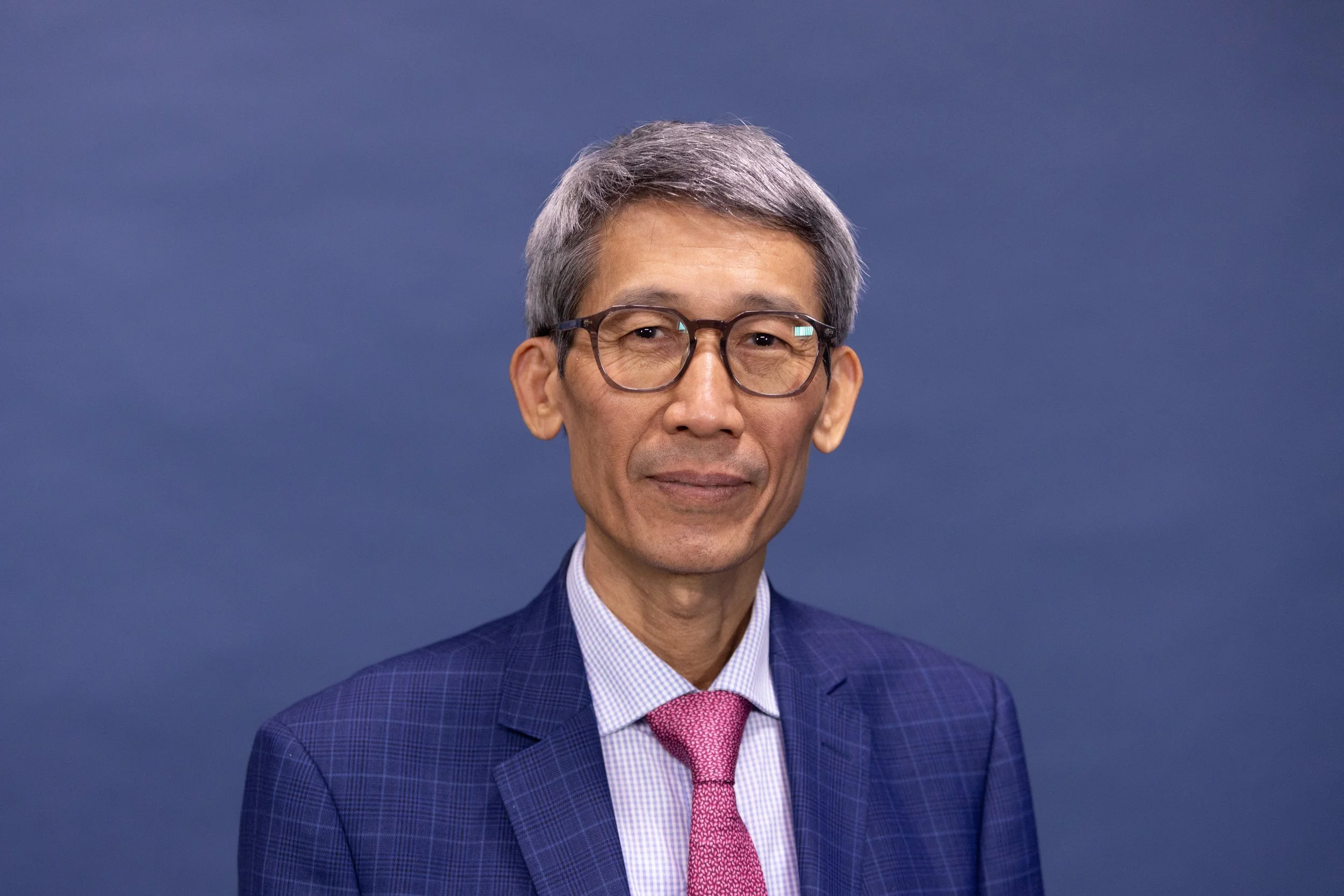
Nghia Duy Pham
Professor Nghia D. Pham holds undergraduate and graduate degrees from Leipzig University, Germany. At Fulbright University Vietnam he teaches Law & Public Policy, Public Governance, Research in Public Policy. He has published intensively on business law, good governance, transparency and accountability of government.
Pham is a frequent commentator in leading newspapers and media outlets in Vietnam on topics such as protection of basic citizen’s right, voice and accountability in public governance, regulatory quality, rule of law and access to justice. As arbitrator at Vietnam International Arbitration Center, Prof Pham has served in several tribunals hearing transnational business disputes, including commercial disputes, investment, construction, insurance, corporate disputes, M&A, and intellectual property disputes.
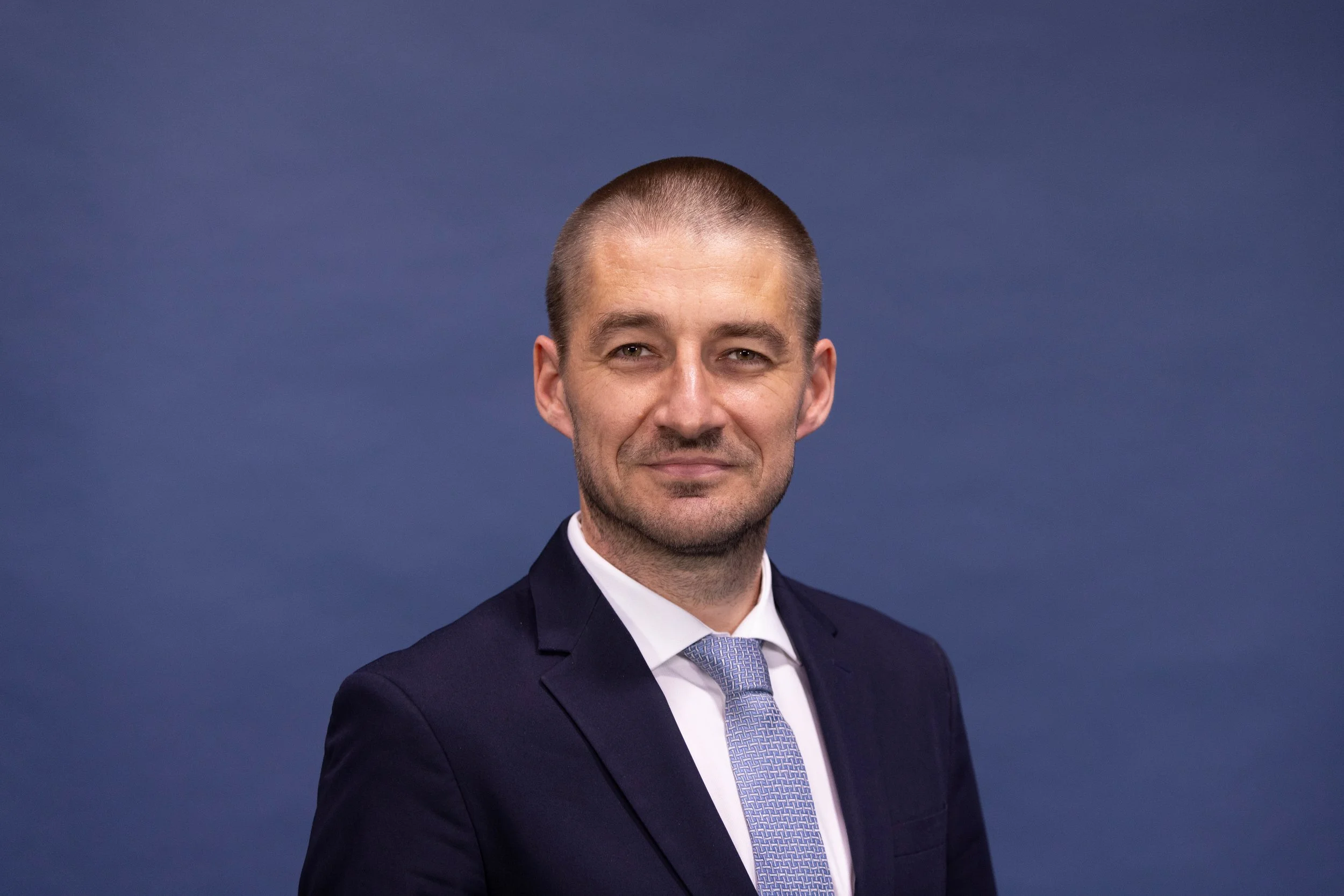
Oleksiy Sluch
Oleksiy graduated from the Institute of International Relations, Taras Shevchenko National University of Kyiv with a Master of International Law and English translation (with honors) and from Vadym Hetman Kyiv National Economic University with a Master of Finance in 2007. He started his legal career as an attorney at law with the best Ukrainian law firm. From 2017 to 2019, he was a member of the team at NJSC Naftogaz of Ukraine.
Since 2019, he’s been a judge at the Commercial Cassation Court in the Supreme Court. Before 2019, he was a specialist in national and international litigation with a background in banking and financial disputes, corporate disputes, disputes regarding securities, property rights, privatization, consumer protection, regulatory and labor disputes, and a wealth of experience in representing the interests of major international and national companies in the field of banking and finance, energy and natural resources, agriculture and real estate, as well as advising them on their day-to-day business activities.
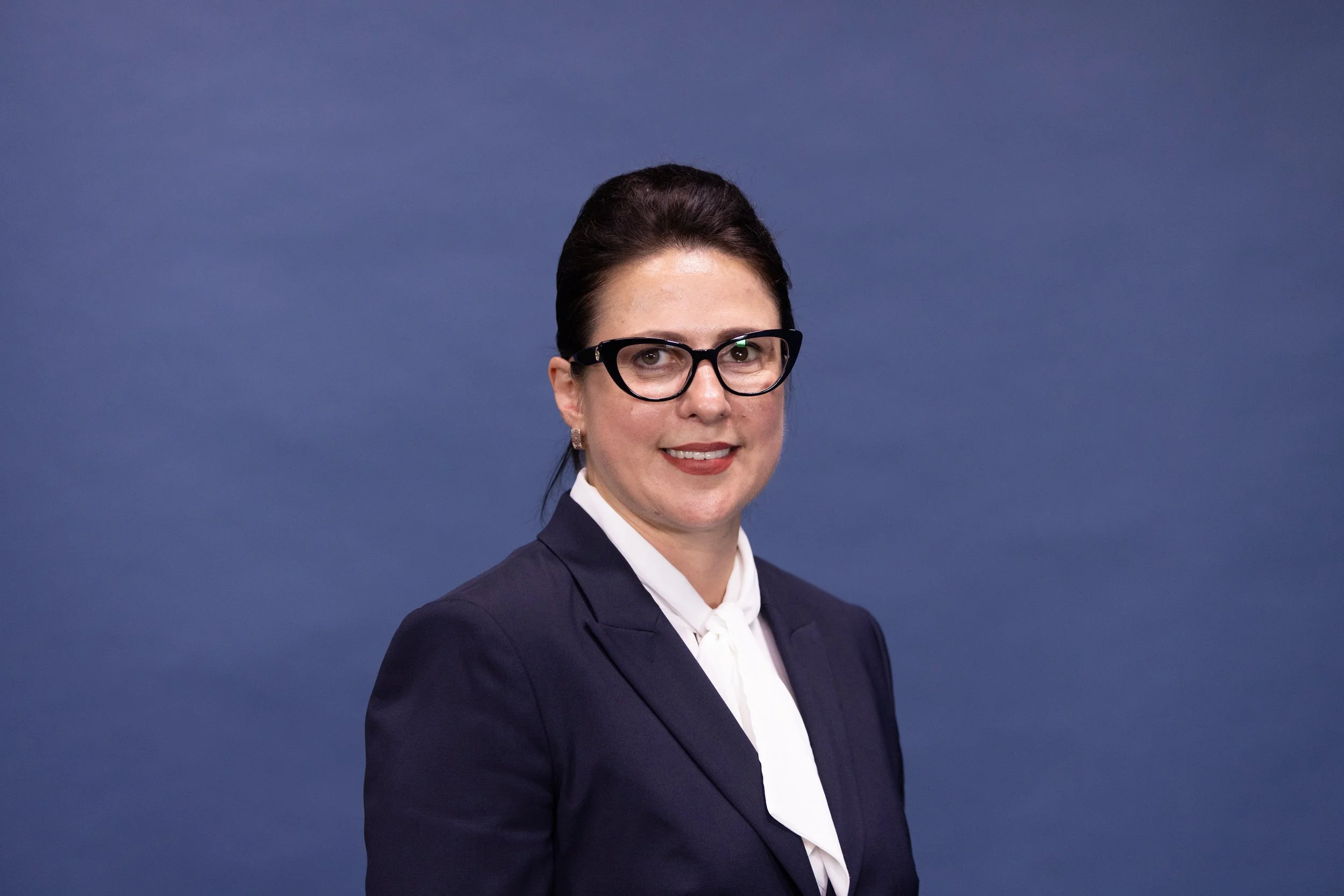
Olena Kibenko
Olena Kibenko is a Judge of the Supreme Court, Doctor of Law, and Professor. Before joining the judiciary in 2017, she spent over 15 years in private legal practice, focusing on commercial and corporate law. She was a Senior Partner at the leading national law firm, Inyurpolis, between 2002 and 2011 and later started her own practice as a Managing Partner of Kibenko, Onika, and Partners.
Olena is the author of over 150 publications, including articles, textbooks, and five monographs. She was the Head of the Supreme Court’s Management and Communications Working Group (2017-2021) and the Coordinator of the Supreme Court's Strategic Development Group (2021- 2022). Olena has been dealing with online court issues since 2018 and was a member of the working group in the EBRD project on online courts.
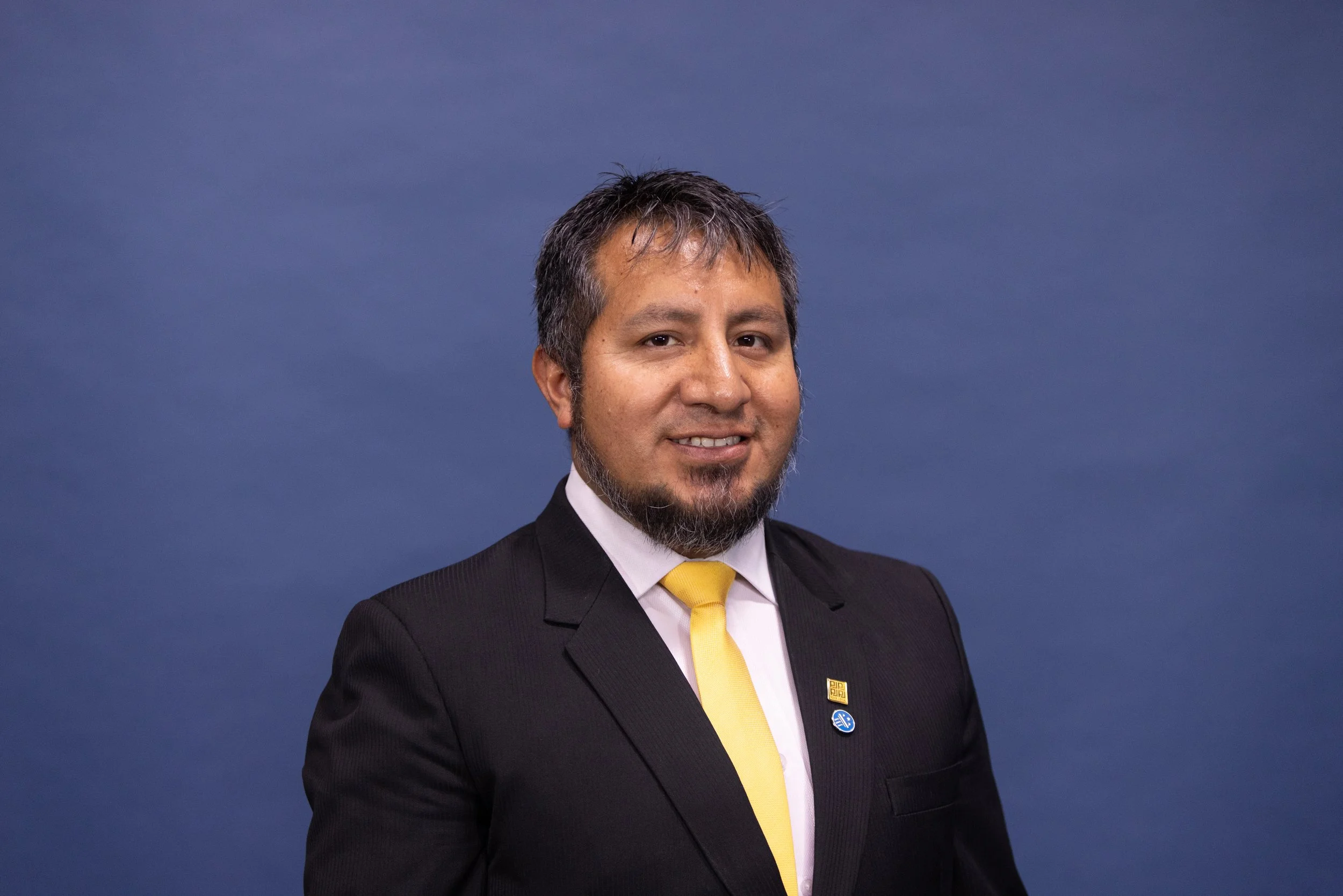
Rafael Cancho Alarcon
Rafael Cancho Alarcon is an experienced criminal judge with over seven years of expertise in the judicial field. Since June 6, 2022, he has been serving as a judge in the Second Supraprovincial Criminal Trial Court of Ayacucho, where he processes and resolves complex and high-profile cases. Rafael served as the Judge of Preliminary Investigation of the Ventanilla and Ayacucho Judicial District. He holds a law degree from the National San Cristobal de Huamanga University, a Master’s in Contemporary Magistrature and Criminal Law and Constitutional Guarantees from the University of Jaén, and a Master’s in Criminal Sciences from the National San Marcos.
Rafael’s career includes roles as Fiscal Adjunto Provincial and Fiscal Adjunto Superior in the Public Ministry. He has also contributed to legal education as an adjunct professor and lecturer at institutions such as Garcilaso de la Vega University and the Academy of the Judiciary. In addition to his judicial duties, Rafael actively participates in academic conferences and publishes articles and books on critical legal issues. His dedication to the legal profession is driven by a commitment to uphold justice.
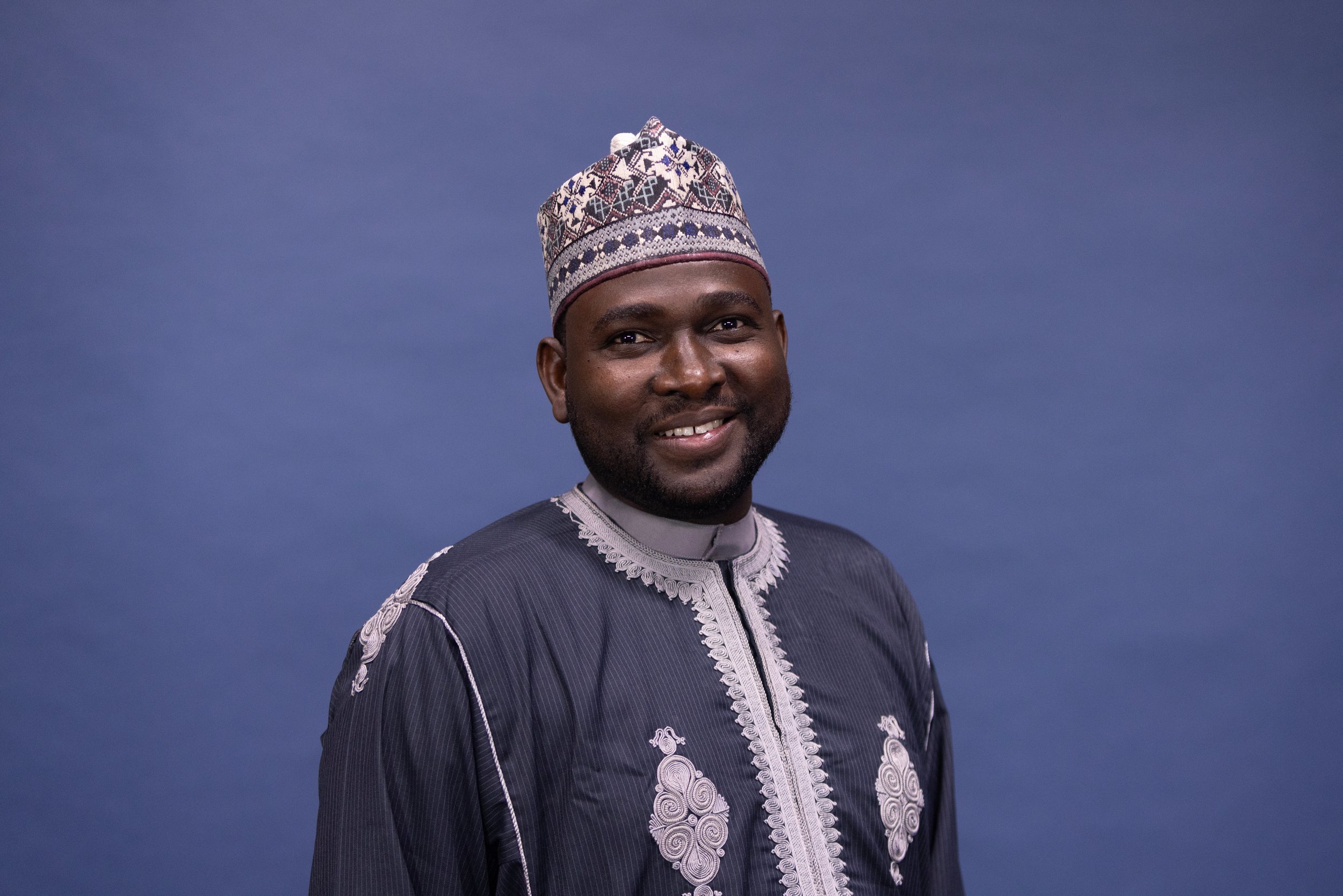
Umar Faruk Kabir
Umar Faruk is a human rights advocate, activist, and proactive campaigner for the rule of law and the fight against corruption in Nigeria. He voluntarily led projects on prison system reform, alternative dispute resolution (ADR), and youth and professional mentorship. He has over a decade of experience working with local and international civil society organizations on administration of criminal justice law, rule of law, judiciary, and human rights issues, including as a board of trustees member of the Spotlight (an NGO for accountability and the fight against corruption in the underdeveloped Northeast Nigeria).
He received the 2018 US Department of State’s Mandela Washington Fellowship for young and exceptional African leaders for his outstanding performance in respect for the rule of law in Nigeria. He’s currently serving as Chief Magistrate, Principal District Court Judge, and the Zonal Administrative Secretary, Funtua Judicial Division, Katsina State Judiciary, Nigeria.

Viktor Bratasyuk
Viktor Bratasyuk graduated from the Faculty of Law at Zaporizhzhya State (now National) University. From 2000 to 2007, he worked as a lecturer, senior lecturer, associate professor of the department, and deputy dean of the Faculty of Law at the Ternopil National University of Economics (Ukraine). Viktor received his Ph.D. in 2005 and has been an appointed judge of the Ternopil City District Court of the Ternopil Region (Ukraine).
In 2015, Viktor became chairman of the court. He has participated in multiple international programs, including the International Cultural and Educational Association’s (ICEA) "Preparing a new generation of law professionals to lead the way" in 2014 and a Canada-Ukraine judicial education for economic growth project titled "Judge-Led Case and Settlement Conferences".
The Judicial Fellowship Program is presented by the Presidential Precinct in partnership with the U.S. Chamber of Commerce Foundation.
Together, the two organizations bring international judicial leaders into conversation with judges, scholars, legal professionals, and institutional partners across Washington, D.C., and Virginia.
The program reflects a shared belief that strong, ethical, and independent judiciaries are essential to the rule of law, public trust, and thriving societies.
The Presidential Precinct is shaping the leaders of tomorrow. Subscribe to our newsletter for leadership insights and opportunities to get involved.