Justice Across Borders: How the Judicial Fellowship Program Is Building a Global Network of Rule-of-Law Champions
The Judicial Fellowship Program united 25 judges from 18 countries to share strategies for judicial independence, transparency, and rule of law. Organized by the U.S. Chamber of Commerce Foundation and the Presidential Precinct, the Fellowship is building a lasting alumni network to strengthen courts, democracy, and public trust worldwide. This article was originally published on the U.S. Chamber of Commerce Foundation’s website.
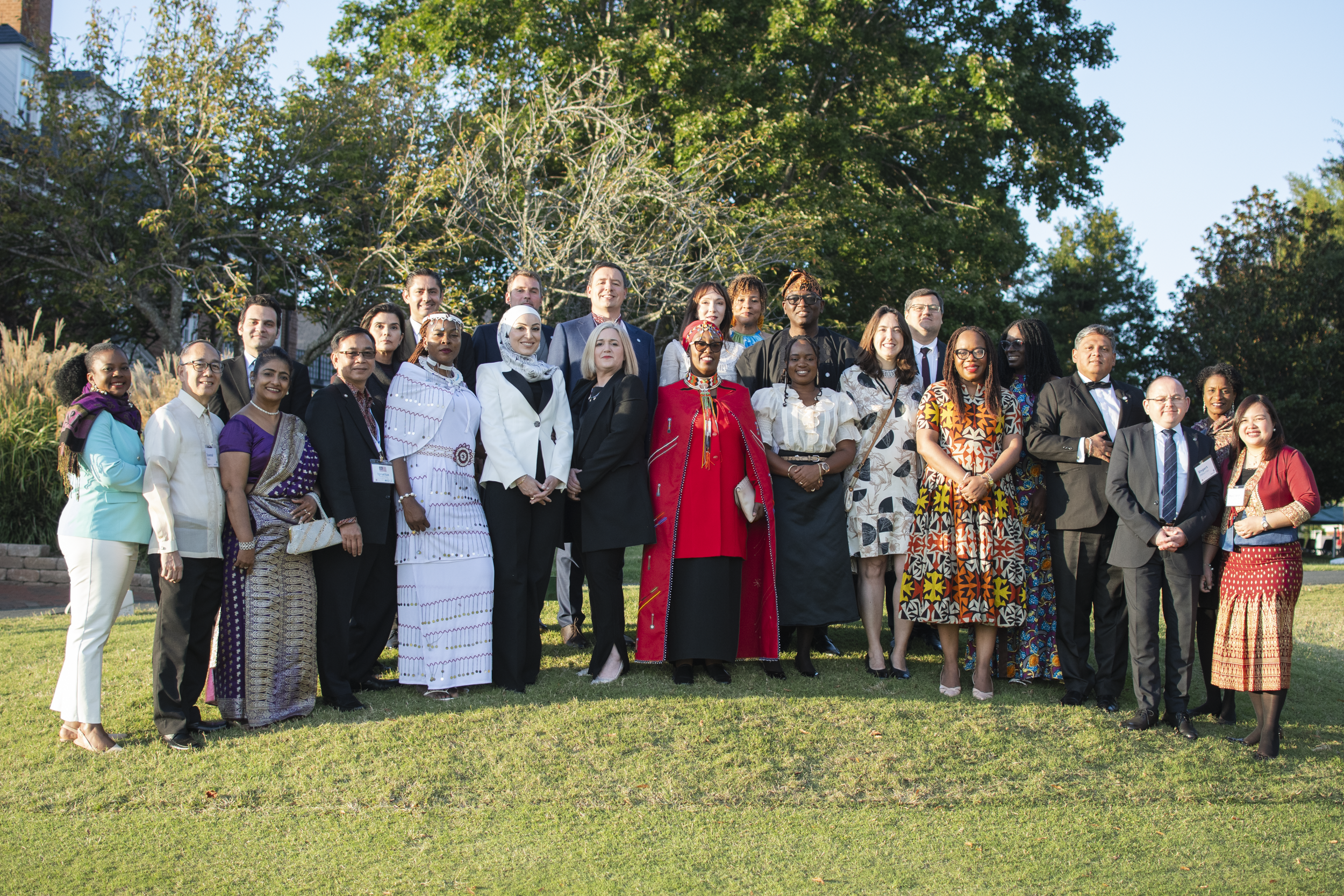
In early October, 25 judges from 18 countries stood together and reaffirmed something extraordinary: that justice, integrity, and accountability still bind us across borders.
In a time when global confidence in institutions is wavering, the Judicial Fellowship Program — a partnership between the U.S. Chamber of Commerce Foundation and the Presidential Precinct — shows what’s possible when we invest in leaders who protect those values. Far more than a typical fellowship, this program is a strategic investment in global stability, democracy, and the economic systems that depend on them.
“This team has worked over the last two years to create a high-impact program for judges from around the world who share our belief that the rule of law is the foundation for prosperity.”
– Michael Carney, President, U.S. Chamber of Commerce Foundation
Judges United for Rule of Law
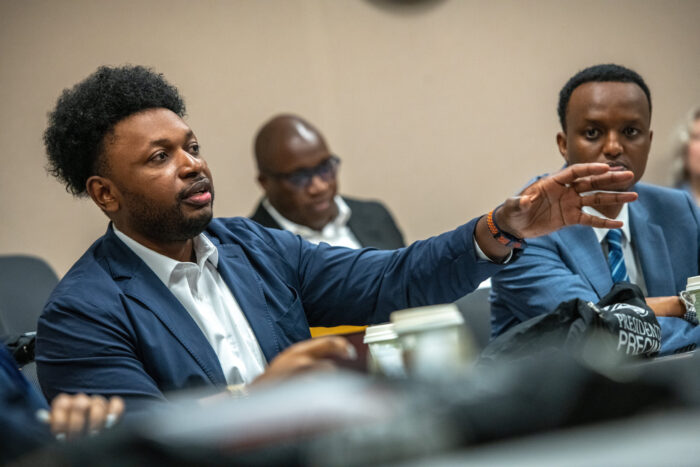
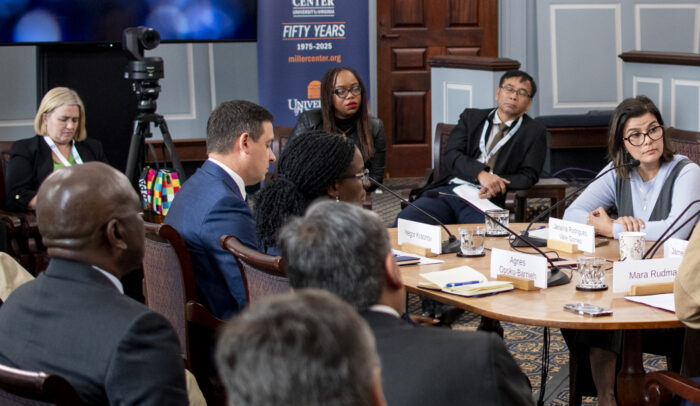
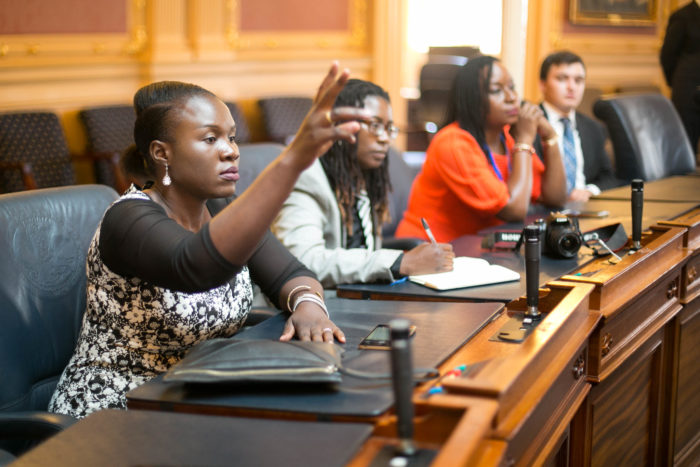
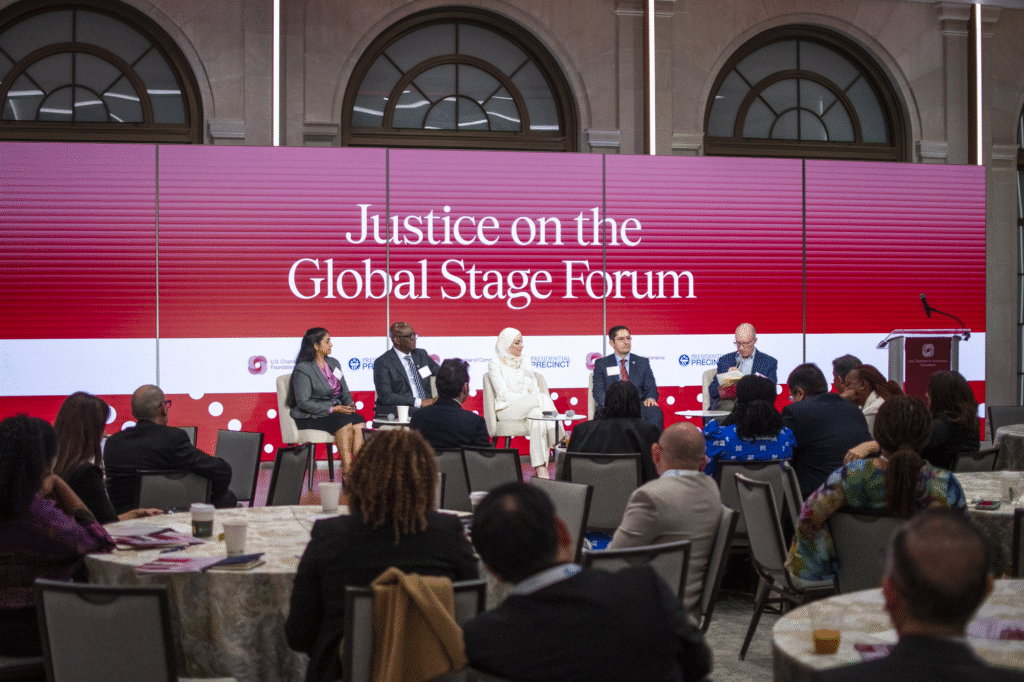
Over two weeks in Washington, D.C. and Charlottesville, VA, the fellowship brought together high-level judges and magistrates for workshops, court visits, and open dialogue that bridged the U.S. and international legal systems.
In every room, from the U.S. Supreme Court to the University of Virginia School of Law, we witnessed moments of honesty and courage. Fellows spoke about defending judicial independence under pressure, protecting fairness in politically complex contexts, and upholding integrity in systems that often test it, and in some cases, defending their country’s independence on the front lines of war.
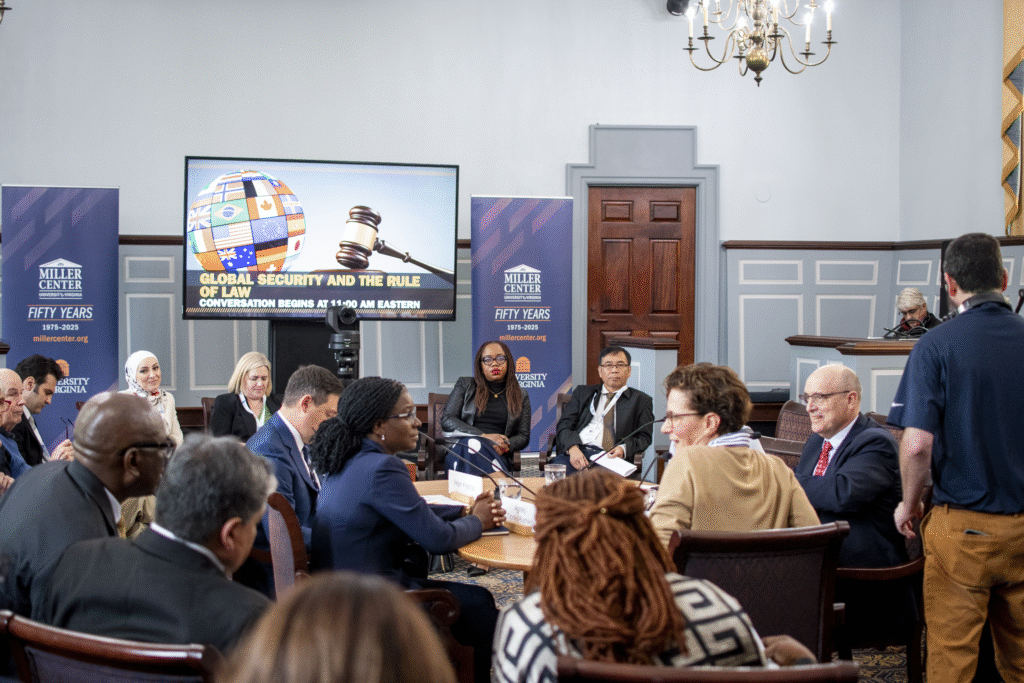
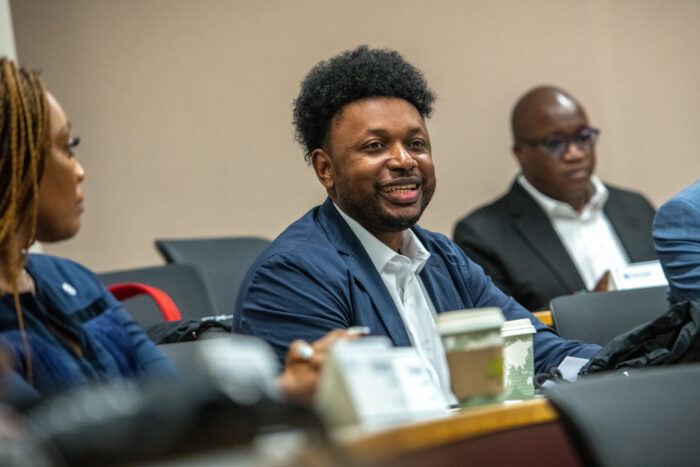
What makes this fellowship truly unique is the depth of exchange among peers who rarely have the opportunity to speak so openly. In small-group sessions, U.S. and international judges compared approaches to judicial independence, transparency, and ethical decision-making. Workshops explored how courts can strengthen public trust through technology, communication, and reform.
Where else can a Supreme Court judge from Ukraine, a senior district judge from Sri Lanka, a federal judge from Brazil, and a magistrate judge from Jordan sit side by side to exchange lessons and strengthen one another’s resolve?
The Judicial Fellowship Program offers that rare space — a setting where judges from vastly different countries and legal traditions can speak candidly, learn from one another, and be reminded that they are not alone in defending democracy and the rule of law.
“Peace and democracy are global aspirations. An offense to fundamental rights in one place is a menace everywhere. This fellowship has equipped us with inspiration, knowledge and connections to defend freedom, together.”
– Helena Refosco, Auxiliary Judge to the Chief Justice, National Council of Justice, Brazil
A Growing Community
When the U.S. Chamber of Commerce Foundation and the Presidential Precinct launched the program in 2024, we hoped to create something meaningful. A year later, that vision has taken on a life of its own. Applications grew by more than 500% from the inaugural year, a signal of both the demand for this work and the trust the global judicial community has placed in us.
That momentum carried into this year’s cohort. Rather than seeing themselves as recipients, the judicial fellows became stewards of the program’s future.
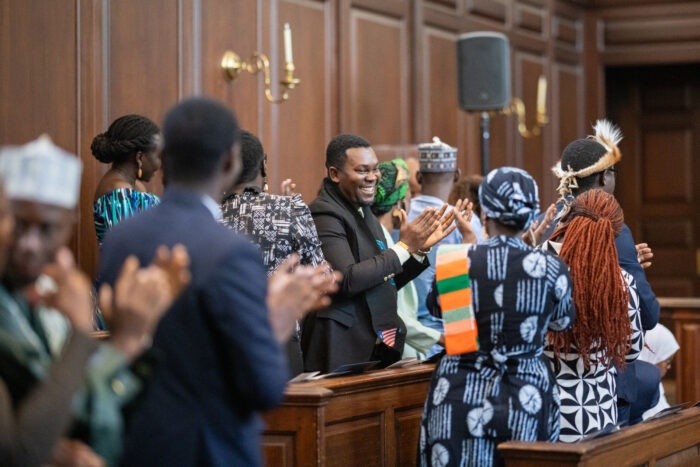
At the closing dinner, nearly every judge asked how they could stay involved and help grow the community. That moment captured what this Fellowship is truly about, not just two weeks of training, but the beginning of a lifelong network of judicial leaders.
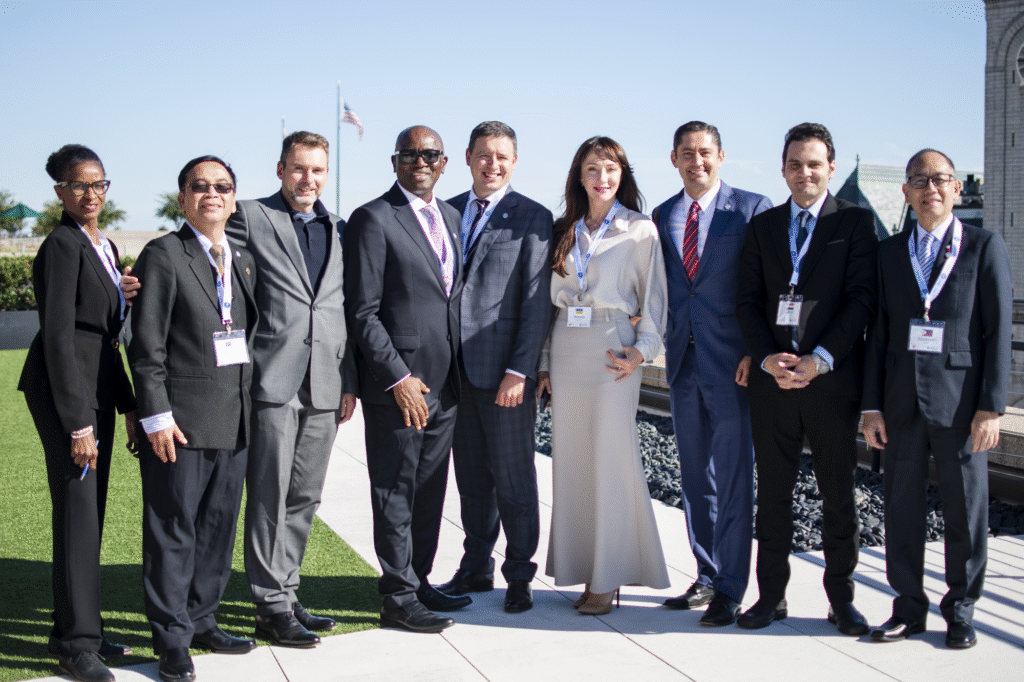
The Fellowship’s alumni community reaches across borders to share reforms, mentor future cohorts, and collaborate on advancing justice and transparency in their own countries. It is a living network, one that sustains the ideas, energy, and relationships born here long after the program ends.
“The rule of law is the oxygen of democratic ethos. As a global community, we have a responsibility to support those who uphold it.”
– Toyosi Ogunseye, President & CEO, The Presidential Precinct
Looking Ahead
As this cohort returns home, our shared work enters its next phase. The rule of law is only as strong as those who defend it, and these 25 judges leave with new peers, tools, and conviction to do exactly that.
During one of the sessions, Dr. Allida Black posed a question: “What is the cause you fight for and how far are you willing to go to defend it?”
In response, Ignatius Melaka Nisau, judge of the High Court of Malaysia, shared that the Fellowship gave him “the courage and confidence to continue reform within the judiciary back home…to defend the rule of law without fear or favor, even when doing so carries great personal cost.”
His reflection was a powerful reminder that the judiciary is often the last backbone of democracy — its integrity holds the line when other systems bend. That conviction, embodied by every judicial fellow, is what will carry this program’s legacy forward.
The Presidential Precinct equips promising leaders like Joseph Doe to amplify their vision and impact. If you’d like to hear more stories from leaders who are shaping the future, subscribe to our newsletter.