Building Markets, Building Futures: A Conversation with AlaSan Ceesay
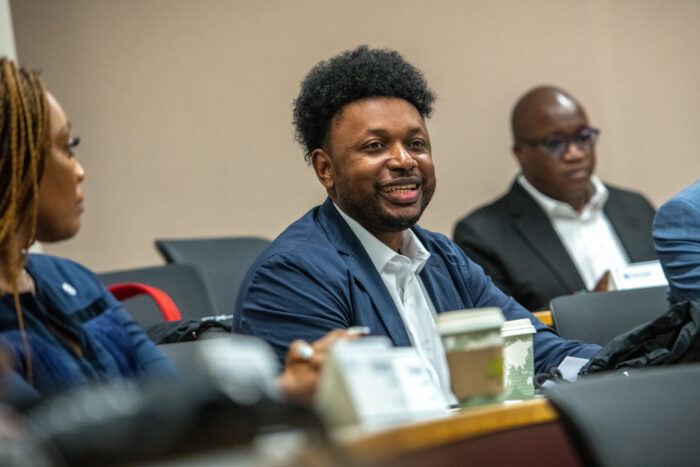
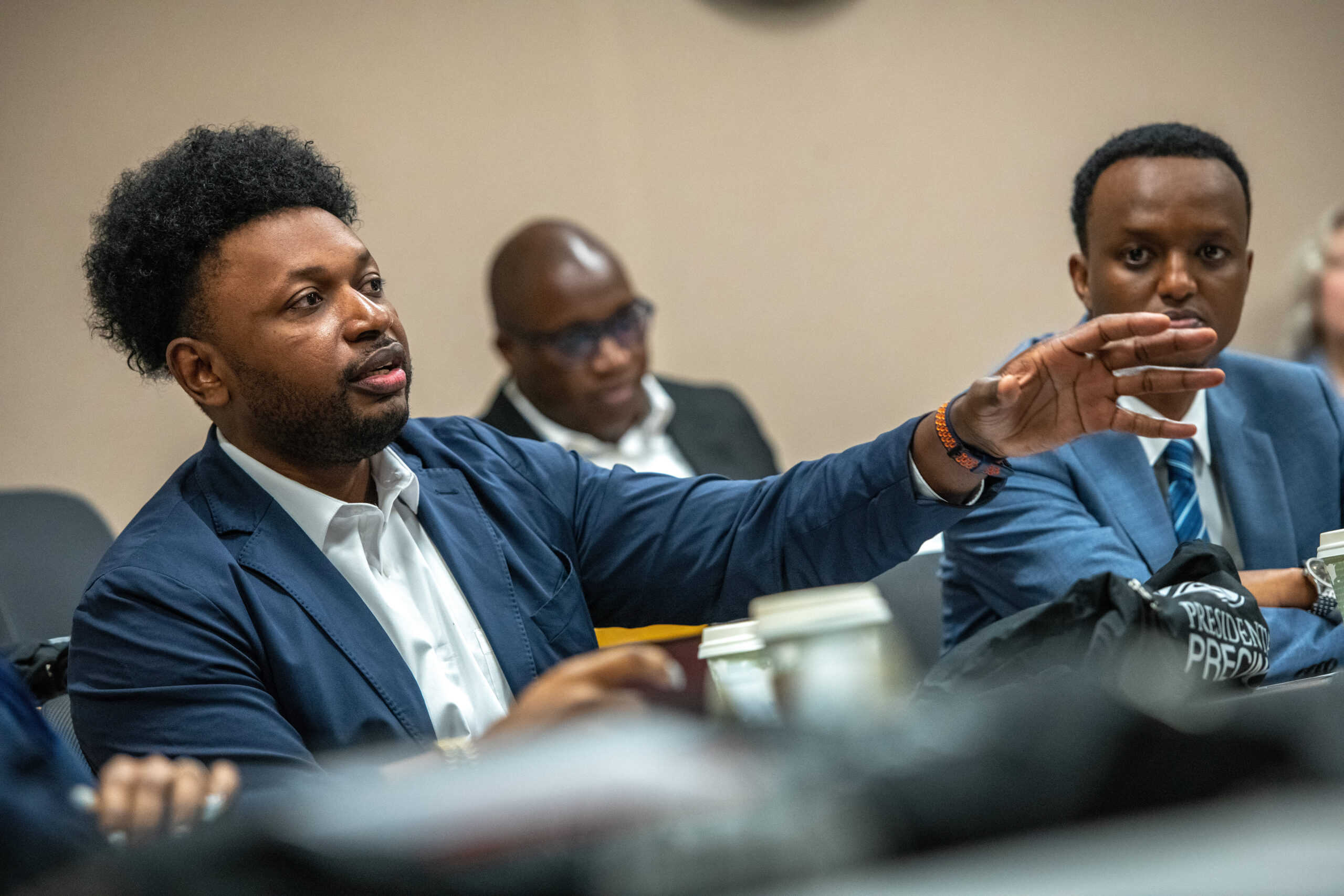
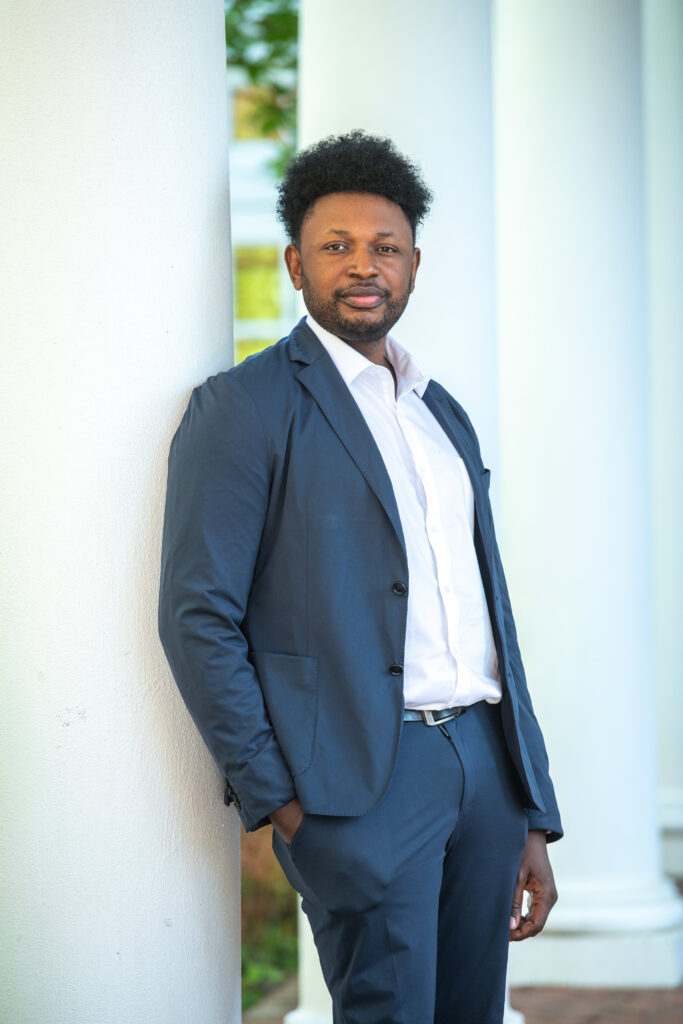
AlaSan Ceesay, an alum of the Presidential Precinct’s ’25 Corporate Leaders Program, leads with a philosophy shaped by responsibility, resilience, and lived experience. As the founder of Rahma Gambia Ltd, his work focuses on strengthening food systems, creating jobs, and advancing long-term food security in The Gambia — work that sits at the intersection of entrepreneurship, development, and national stability.
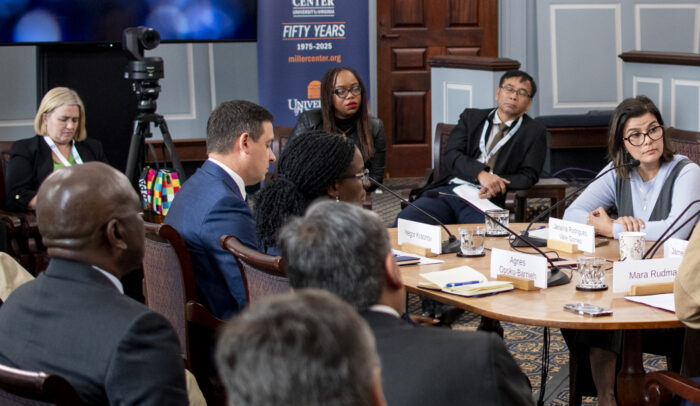
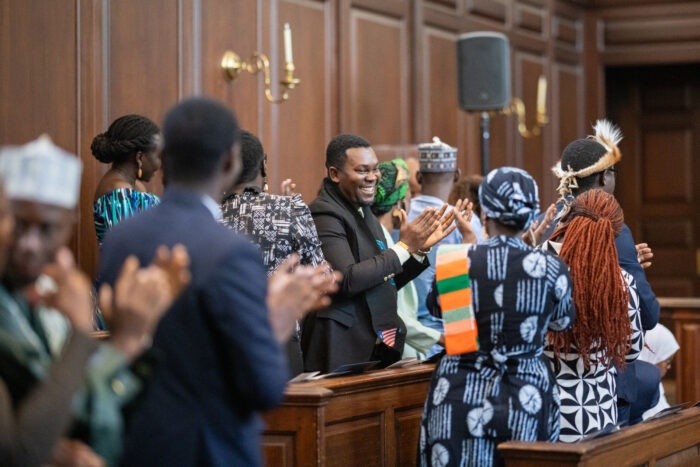
Through the Corporate Leaders Program, AlaSan deepened his understanding of global markets, built meaningful relationships with U.S. agricultural leaders, and translated vision into tangible outcomes. In the conversation below, he reflects on leadership, loss, rebuilding, and what it means to carry responsibility for others, offering insight into how personal history and professional purpose can come together to shape a grounded, intentional approach to leadership.
Your company, Rahma Gambia Ltd, is focused on strengthening local food production, creating jobs, and building long-term food security in The Gambia. How do you think about the responsibility of leadership when people’s livelihoods are directly connected to your decisions — and how do you stay grounded when that responsibility feels heavy?
When people’s livelihoods are connected to your decisions, leadership becomes very real. At Rahma Foods, we operate in a space that affects food access, jobs, and economic stability, so I’m constantly aware that choices we make influence more than just business performance — they touch lives.
I approach that responsibility with a long-term mindset. For me, leadership means building systems, partnerships, and structures that make local industry stronger over time. I had the opportunity to speak at the U.S.–Africa Business Summit in Angola last year, where I met American farmers, later visited them, and we are now building long-term partnerships — not only around sourcing products like rice, but also around knowledge exchange that will support our future plans for local production and farming in The Gambia. We are still growing, but every step is guided by the bigger goal, which is reducing food dependency and creating sustainable opportunities, not just quick commercial wins.
“Food security is not just a market opportunity; it’s about dignity and stability for a country.”
When the responsibility feels heavy, I return to purpose. Food security is not just a market opportunity; it’s about dignity and stability for a country. Remembering that keeps me focused and calm. I also believe leadership is about building strong teams and processes so decisions are thoughtful, not reactive. The weight doesn’t disappear, but when your direction is clear, it becomes something you carry with intention, not fear.
Your path includes both service and entrepreneurship. What did you have to unlearn about strength in order to build the kind of leadership you practice now?
Strength, for a long time, was something I equated with pushing harder, carrying more, and refusing to show vulnerability. In service and in business, that definition served me — but only up to a point.
As a teenager, I learned early leadership as a youth leader in my community and as a Vice President of the National Union of Gambian Students. I believed strength was being seen as steady, confident, and always able to deliver. In the British Army, that definition was put to the test in its rawest form. At a forward base in Afghanistan, I was recognised with the Commander’s Award for Excellence by General Stanley McChrystal, the former commander of U.S. and NATO forces in Afghanistan known for leading complex international operations. But being injured in combat, enduring nine surgical procedures, losing some of my toes, and facing the emotional toll of recovery changed everything.
“True strength includes acceptance of weakness and the willingness to rebuild from ground zero.”
I had to unlearn the idea that strength was only about endurance. That lesson shaped the leader I became next — when I returned to university for my undergraduate degree and led over 21,000 students as a Student Union leader, and later when I helped lead Black student communities and the Entrepreneurship Society at Cambridge University. In those roles, strength became relational: listening, empowering others, and creating spaces where people felt heard and valued. It wasn’t about me holding all the weight; it was about enabling others to step into theirs.
Founding the Rahma Food brand taught me the same truth in business. You cannot scale impact alone. Strength is not a solo measure; it’s in the teams you build, the partners you trust, and the humility to ask for help when you don’t have all the answers.
So what I had to unlearn is the idea that strength is silence and self-sufficiency. The leadership I practice now is rooted in resilience, yes, but also in vulnerability, collaboration, and purpose. That combination is what builds lasting impact, not the illusion of invincibility.
When you think back to the hardest season of your life, what helped you keep going? Was there a moment when you felt you might not make it through — and what shifted, even slightly, that allowed you to take the next step?
The hardest season of my life was a time when loss and uncertainty came all at once. I lost my beloved mother and my brother within 45 minutes of each other, all to natural causes. That kind of moment changes you permanently. Around the same period, I was also navigating the long recovery from injuries I sustained in Afghanistan as a soldier — surgeries, physical adjustment, and the mental battles that follow trauma. There were definitely moments when the weight of everything made the future feel very small and very unclear.
What kept me going was meaning. I named my company Rahma after my dearest and beloved late mother. Her name means mercy and blessing, and that became more than a tribute — it became a responsibility.
“That shift, from asking ‘why did this happen?’ to asking ‘what can this pain produce?,’ changed my direction.”
I felt that carrying her name meant I could not allow my life to shrink to pain. It had to stand for something that helped others. I stopped focusing only on what I had lost and started focusing on what I still had the ability to build. Education, leadership roles, and eventually entrepreneurship became my way of honouring her legacy.
Resilience, for me, was not a dramatic moment of strength. It was quiet decisions made repeatedly — to try again, to show up, to believe that something meaningful could still come out of broken seasons. That belief, tied to her name and what it represents, is still what carries me forward today.
You’ve lived through experiences that many people cannot imagine. How have war, loss, and survival shaped the way you see people, especially the way you lead teams, make decisions, or handle conflict?
War, loss, and survival stripped life down to what really matters. When you’ve seen how fragile everything can be, you stop taking people, time, or stability for granted. Those experiences changed how I see human beings. Everyone is carrying something you cannot see, so I try to lead with empathy before judgment.
“Leadership for me is not about authority; it’s about stewardship — taking care of people, resources, and opportunities in a way that leaves things stronger than you found them.”
In conflict situations, I don’t react quickly or emotionally. I’ve seen what real crisis looks like, so most disagreements in business or leadership can be handled with calm and perspective. That doesn’t mean avoiding hard decisions — it means making them with clarity, not ego. Survival taught me that panic clouds judgment, but composure creates solutions.
Loss also reshaped how I build teams. I value trust, loyalty, and character more than titles. Skills can be developed, but mindset and integrity are what hold people together when pressure comes. I try to create environments where people feel safe to speak, to make mistakes, and to grow.
Ultimately, those seasons made me less interested in control and more interested in purpose. Hard experiences didn’t harden me; they made me more human, and that shapes every decision I make today.
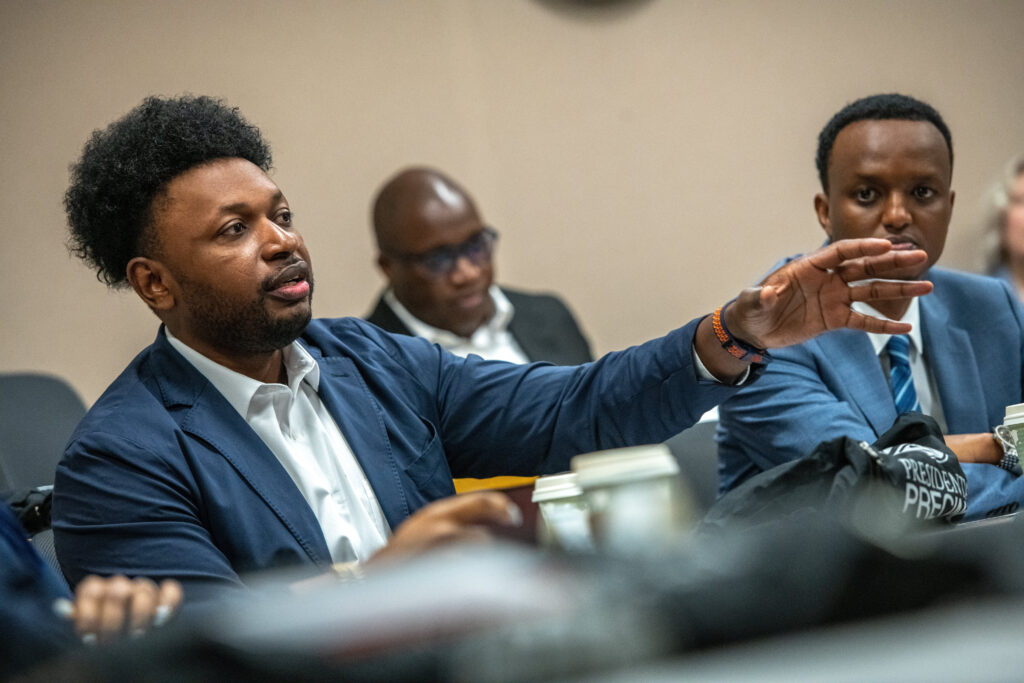
As the 2026 Corporate Leaders Program approaches, what do you hope participants learn during the program?
The Corporate Leaders Program was a turning point for me. Before being selected for it, my understanding of business in the United States — especially in the agricultural and food commodity space — was limited. The program opened doors that I did not even know existed. It connected me directly to the U.S. business community, particularly farmers and producers whose crops are the very commodities we trade, such as rice and corn.
Those relationships are now translating into real outcomes. We are at an advanced stage of signing a multi-million-dollar rice supply agreement with a U.S. company, and even more exciting, we are shaping plans to expand our company’s presence into the United States. That exposure changed the scale of how I think.
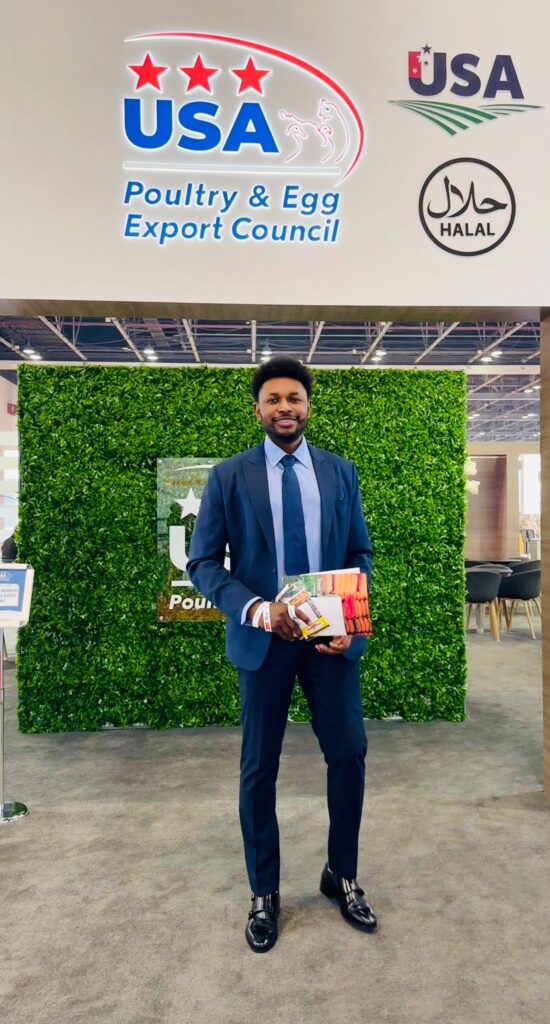
Beyond knowledge, I hope participants feel possibility. I hope they feel that their ambitions are not limited by geography or background. The program shows you that leadership is global, that collaboration across borders is real, and that access to serious networks is achievable.
“Rebuilding a life is not about returning to who you were before—it’s about becoming someone stronger, wiser, and more intentional.”
For anyone reading my story who is going through a difficult season, I would want them to know that resilience does not mean you are never shaken. It means you keep moving, even slowly. Purpose often grows out of pain, not comfort. Hard seasons do not disqualify you from leadership; they often prepare you for it.
AlaSan Ceesay’s story is one of leadership forged through experience. Through his work at Rahma Gambia Ltd and his experience in the Corporate Leaders Program, AlaSan demonstrates that leadership rooted in purpose can bridge local realities and global opportunity. As the Presidential Precinct prepares for the next cohort of the Corporate Leaders Program, voices like AlaSan’s offer a powerful reminder: leadership is not about having all the answers, but about carrying responsibility with humility, clarity, and care.
Learn More About the Corporate Leaders Program
The Presidential Precinct equips promising leaders like AlaSan to amplify their vision and impact. If you’d like to hear more stories from leaders who are shaping the future, subscribe to our newsletter.