Empowering a Generation as a Presidential Precinct Alum: Joseph Doe's Journey from War-Torn Roots to Digital Leadership
From a childhood shaped by conflict to a career dedicated to peace and empowerment, Joseph Doe is helping young Africans find their voice through digital storytelling.
Finding Strength in Uncertainty
For Joseph Doe, an alumnus of the Presidential Precinct’s ‘25 Mandela-Washington Fellowship, leadership is rooted in resilience. Born in Liberia and raised across Côte d’Ivoire, Ghana, and Liberia, his childhood was marked by displacement caused by the Liberian civil war. The conflict left deep scars on his family and his sense of self. Constantly moving between schools, Joseph was often in and out of the classroom, leaving gaps in his education and a lingering uncertainty about his future.
In the midst of this instability, one constant remained. “My mother was my foundation,” Joseph says. “She taught me to express myself, to respect others, and to believe that our circumstances don’t define our potential.” Her guidance became a turning point, providing emotional support and teaching him resilience, empathy, and the importance of self-expression. With that foundation, Joseph discovered a powerful outlet in storytelling. “Since I didn’t speak a lot,” he recalls, “I used my camera and [created] stories without needing to say a word.” Filmmaking became both a personal anchor and a way to reclaim control over his narrative — a creative refuge in a world that often felt unwelcoming.
From Personal Outlet to Community Vision
What began as a personal form of expression soon brimmed over into the public sphere. In 2018, Joseph began training young people in filmmaking, media work, and digital literacy, providing tools for youth to tell their own stories and envision a future beyond immediate hardships. The Woman Chief, Joseph’s 2024 documentary about Ruth Suah, the first woman town chief in a male-dominated society, garnered attention across the creative space, even receiving an award from the Black International Film Festival in Berlin. His other documentaries, Fishing for Life and Fighting Death Sentence, have also been recognized — the first by the Emergence Film Festival in Togo and the latter by the Black International Film Festival.
Despite this recognition, Joseph’s focus remains on his community. “I want to create spaces for other people around me,” he says, “which I believe will allow them to create other opportunities for people around them — that ripple effect of success across people.” Since 2018, he has trained more than 500 young West Africans, many of whom had limited access to formal education or career opportunities. For Joseph, this work is not only about technical skills but also about restoring hope, direction, and purpose among young people across the region.
A Fellowship That Transformed Leadership
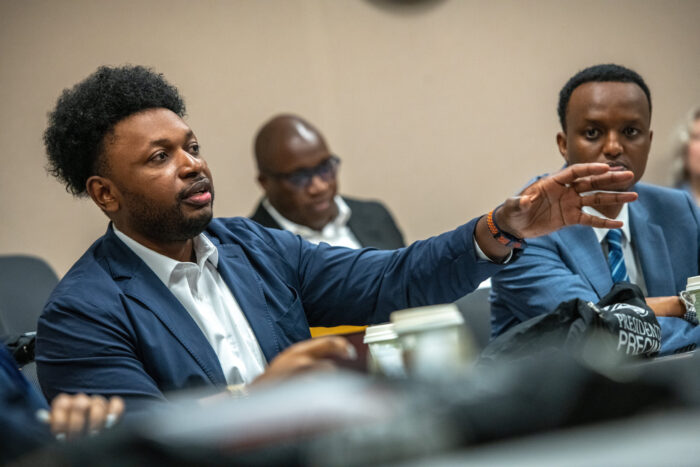
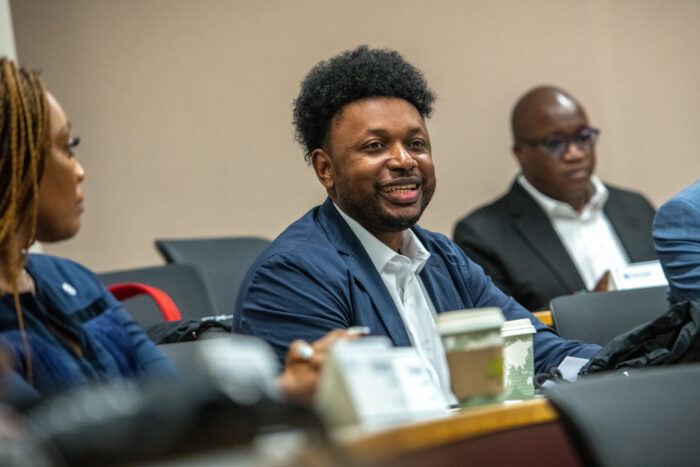
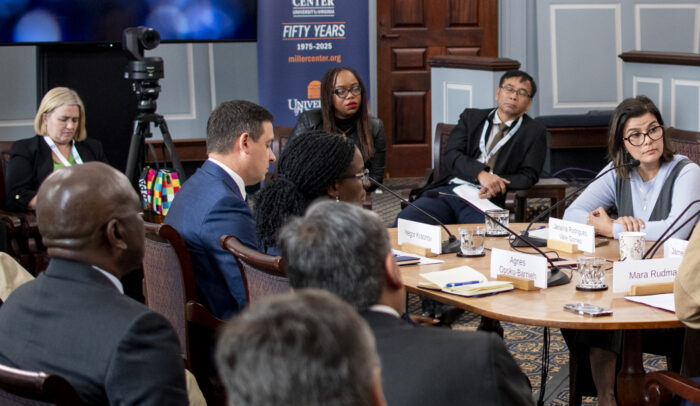
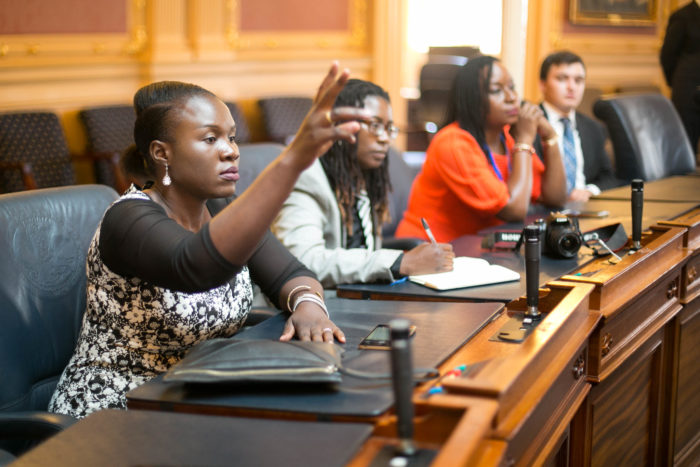
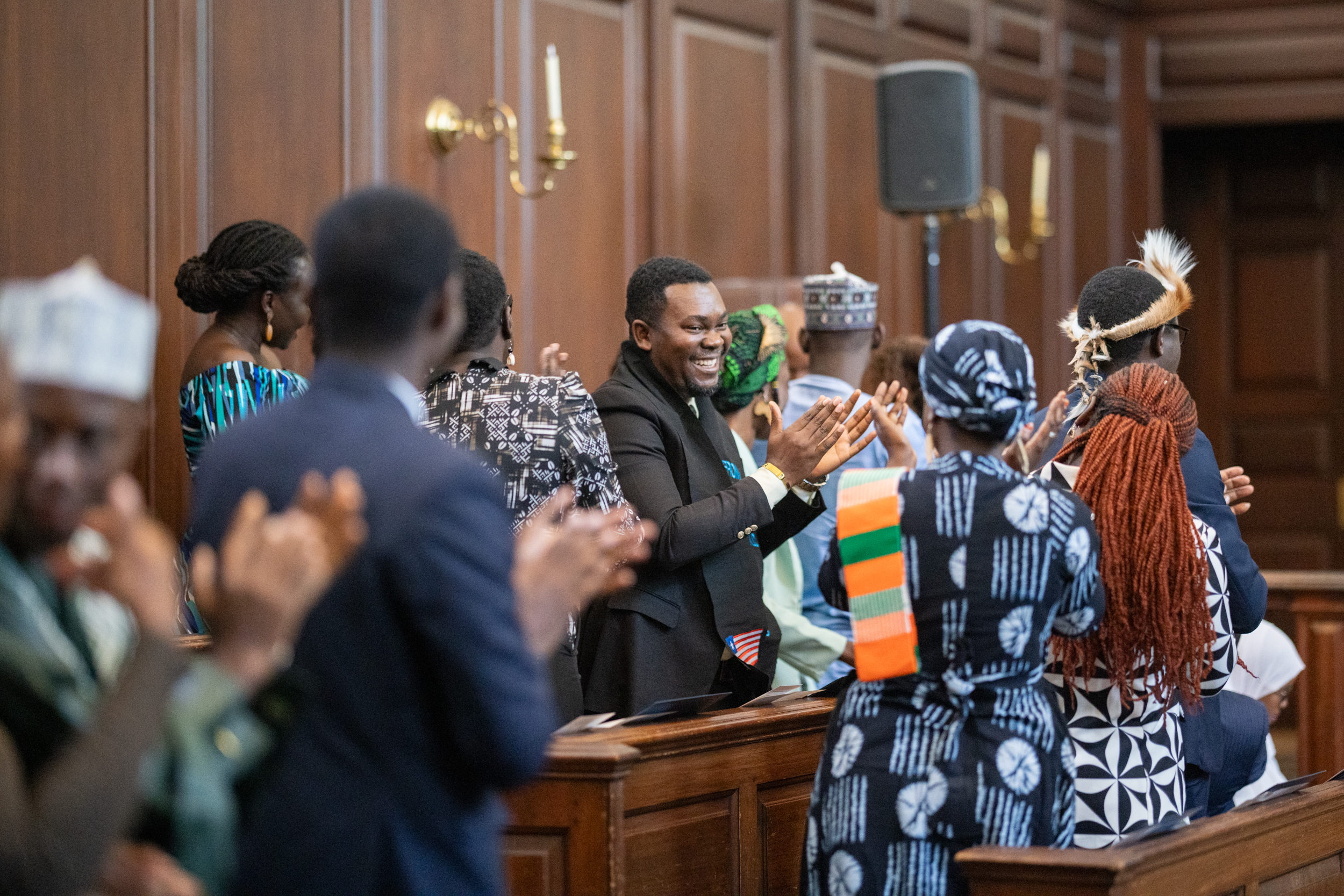
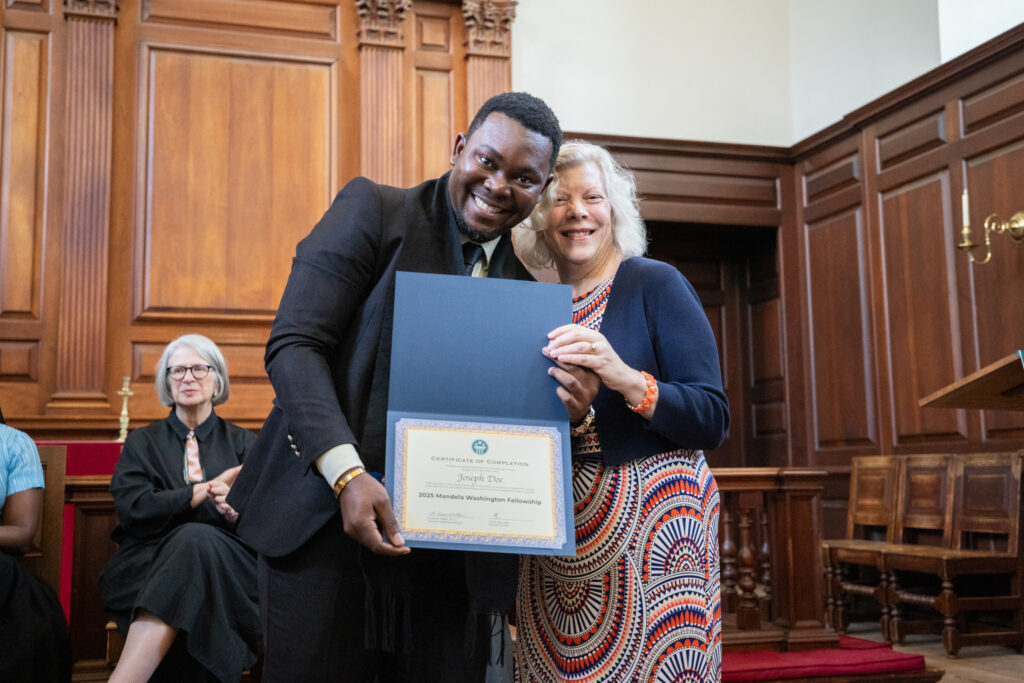
In 2025, Joseph’s leadership journey reached a pivotal moment when he was selected as a Mandela-Washington Fellow, part of the U.S. State Department’s Young African Leaders Initiative (YALI). He joined a cohort of changemakers committed to advancing their communities through innovation and collaboration. “I always felt like I lacked the leadership skills to be called a leader,” he reflected. But during his six weeks in Virginia, surrounded by peers and mentors from across Africa and the United States, his understanding began to shift.
In Charlottesville, Joseph learned that leadership isn’t about titles or visibility — it’s about guidance, empathy, and the ability to lift others up. At the Precinct, Joseph found a community that not only affirmed his strengths but helped him recognize the power of authenticity. “I went there with the mindset to just be myself,” he said. “And for the first time, I saw that being myself was enough.”
The Mandela-Washington Fellowship sharpened Joseph’s strategic thinking and organizational skills, while connecting him with mentors who helped refine his long-term vision. One of those mentors, Douglas Smith — an entrepreneur and developer of capital strategy — encouraged him to design systems that could sustain impact beyond passion alone. “He taught me that impact isn’t just about passion, it’s about systems that last,” Joseph says. The Fellowship also reinforced the importance of community-centered leadership. Surrounded by peers from across Africa, he recognized that his journey mirrored a shared continental story of resilience, innovation, and hope.
From Confidence to Action
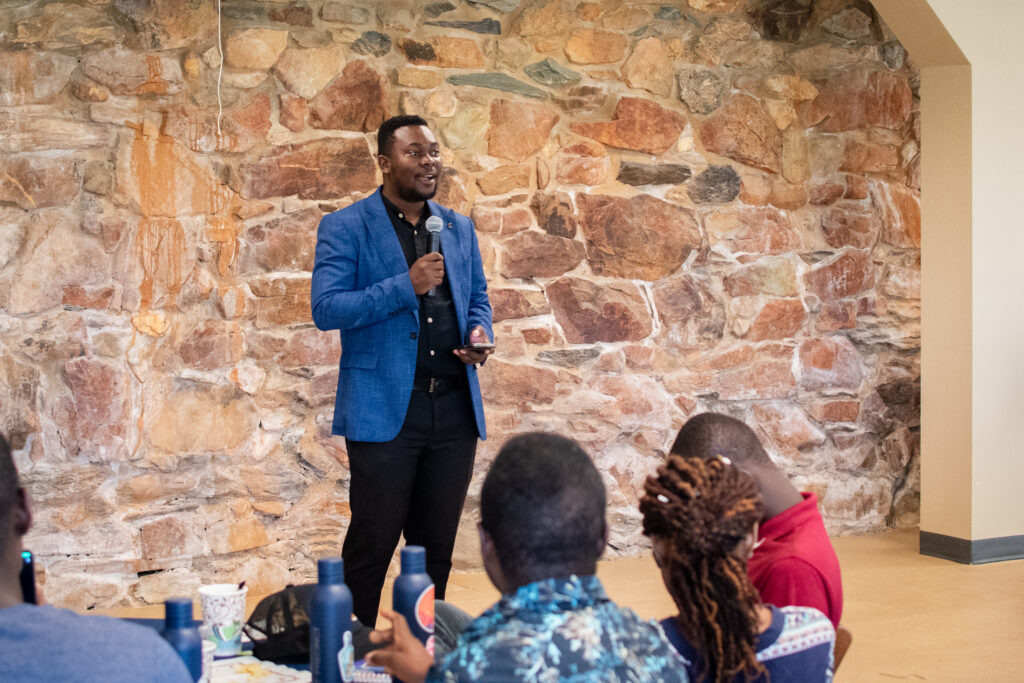
Following the Fellowship in August, Joseph took on a new professional challenge. Having co-founded the Peace and Media Education Team with his friend Luther Mafalleh in 2020 — a nonprofit dedicated to bridging digital literacy and peace-building — Joseph returned to Liberia with a fresh perspective and strategy. He resolved to expand access to digital literacy and storytelling across Liberia by focusing on more than technical skills. Instead, he now sees the power in cultivating hope and agency among youth who might otherwise feel left behind. “Peace starts with understanding,” he says. When young people learn to tell their own stories, they begin to see themselves as part of the solution rather than the problem.
Through his nonprofit, Joseph offers digital literacy workshops, media training, and youth-mentorship programs across Liberia. “We want to reach students early,” he explains. “If we can teach young people how to use technology responsibly and creatively, we can transform not just individuals, but entire communities.” He often visits schools and community centers, urging young people to see technology not as a distraction, but as a gateway to empowerment. Joseph says, “I tell them that their phone can be a tool for learning, not just entertainment. Digital skills can change their lives — they changed mine.”
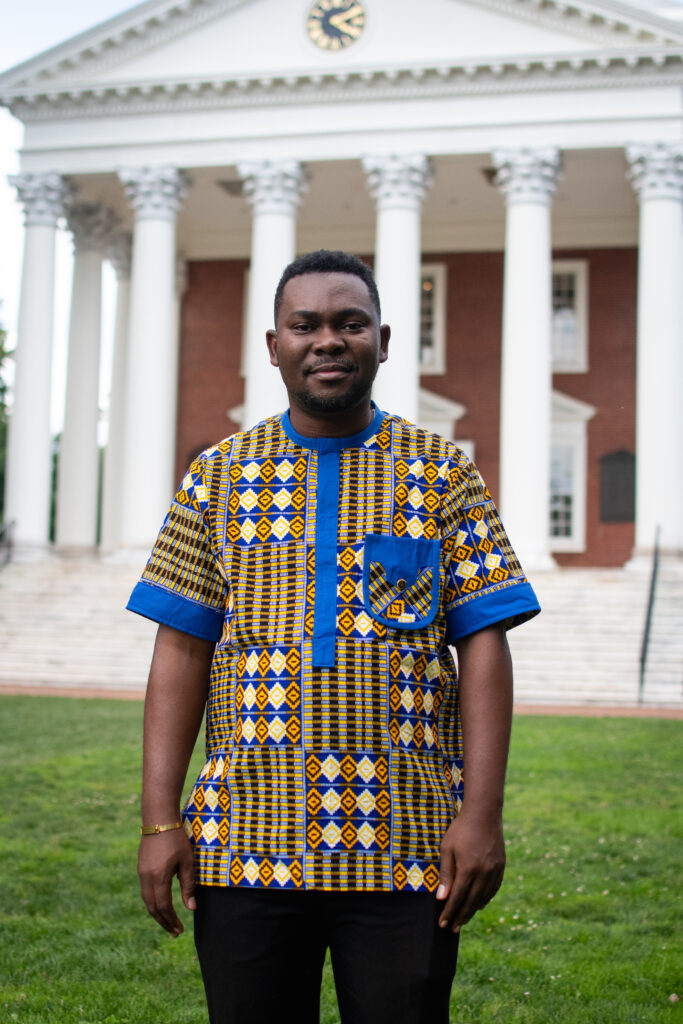
“When I was younger, I thought success was about having a degree or financial stability. Now, I see success as building something that lasts beyond me — creating institutions that will serve people long after I’m gone.” For Joseph, this means ensuring the organization remains a self-sustaining platform for digital education and peace-building, while nurturing young leaders who will carry his mission forward. “I don’t just want to train people,” Joseph says. “I want to change mindsets. I want young Africans to believe that their ideas matter, that their voices can bring peace, and that their skills can build a better future.”
Carrying Forward a Legacy of Leadership
Joseph’s story reflects the transformative spirit of the Mandela Washington Fellowship — a program that, for more than a decade, empowered thousands of African leaders to innovate, collaborate, and serve their communities. Yet this year marks a turning point. Due to recent funding cuts, the Fellowship will no longer be maintained by the U.S. Department of State.
While this transition represents the end of one chapter, it also signals the beginning of another. The Presidential Precinct is committed to ensuring that the impact of the Fellowship lives on, and that its scope grows beyond the borders of Africa. Building on its legacy, the Precinct will launch a new, global program — sustained through private funding, sponsorships, and corporate partnerships — that will bring together visionary leaders from all continents.
This new program will honor the Mandela Washington Fellowship’s values of leadership, integrity, and community engagement, while expanding opportunities for cross-cultural collaboration and innovation internationally. More details will follow soon, but one thing remains certain: through leaders like Joseph, the spirit of the Mandela Washington Fellowship and the mission of the Presidential Precinct will continue to thrive.
The Presidential Precinct equips promising leaders like Joseph Doe to amplify their vision and impact. If you’d like to hear more stories from leaders who are shaping the future, subscribe to our newsletter.