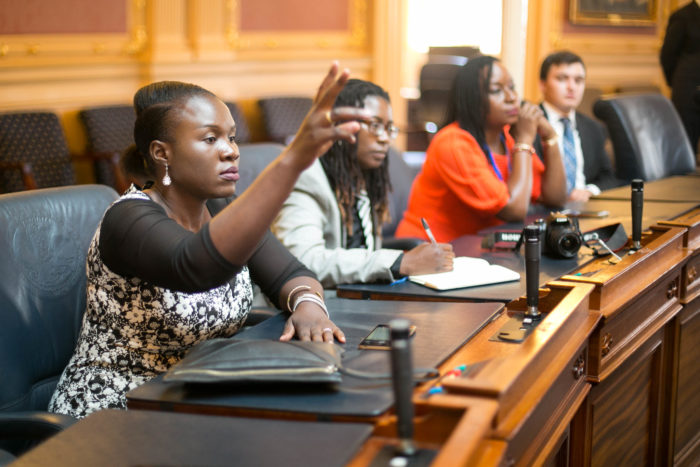
Access to Education Changing Lives for Indigenous Youth in the Congo
“We can’t talk about peace, we can’t talk about development, we can’t talk about good governance or democracy, without EDUCATION.” – Averty Ndzoyi
—
The World Bank estimates that there are approximately 476 million indigenous people worldwide, making up just over six percent of our global population. Though each individual community is unique in its customs and traditions, they all, too commonly, face similar challenges of stigmatization by area non-indigenous residents. Issues of access – to economic mobility, basic healthcare, and sanitation resources – remain widespread; yet, while indigenous communities uphold a wealth of resources in biodiversity and ancestral knowledge, geographic and language barriers have instilled a most extreme barrier of access to traditional education.
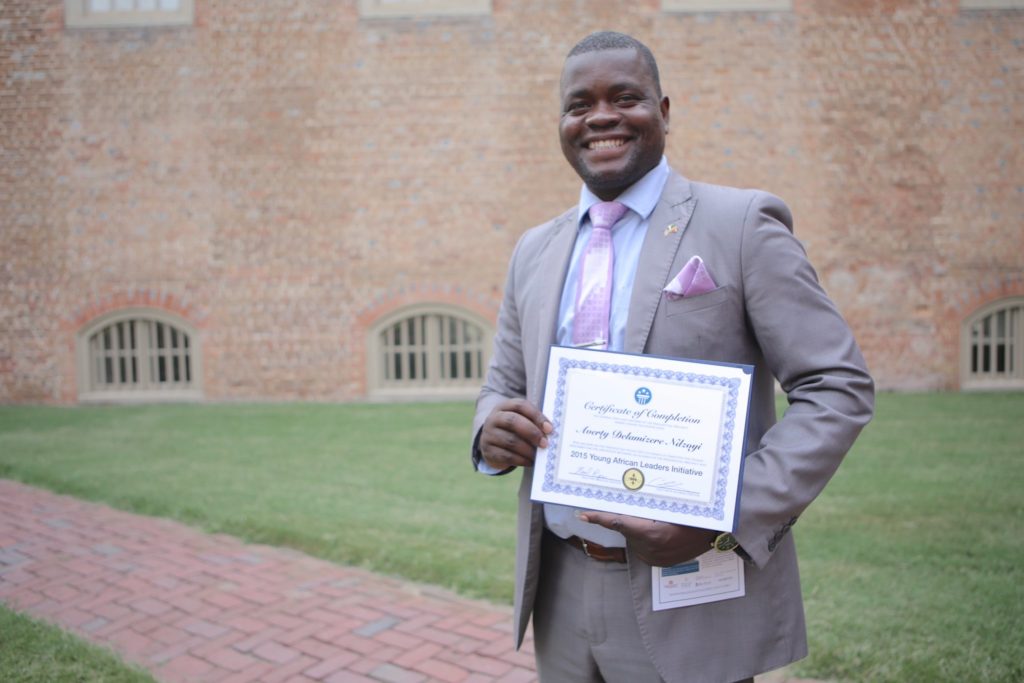
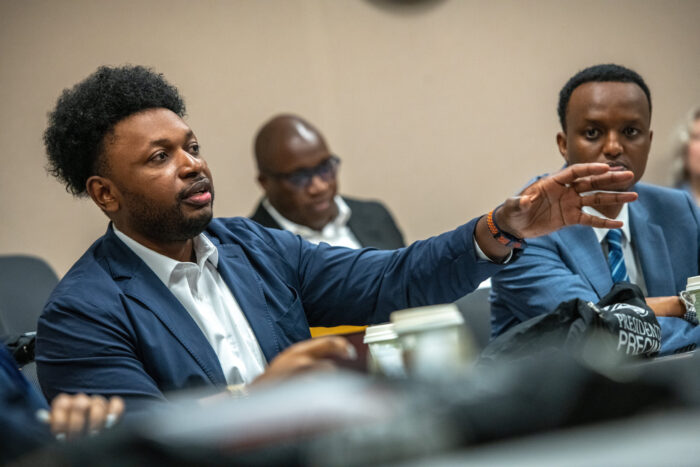
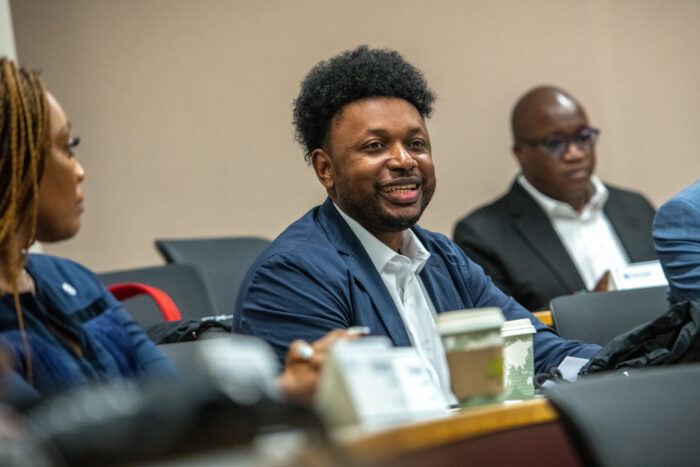
Averty Ndzoyi, a 2015 Mandela Washington Fellowship Alumnus hosted here at the Presidential Precinct, has committed himself to improving access to education for indigenous communities in his home country, the Republic of Congo. Through his NGO/nonprofit organization Espace Opoko, Averty works on an individual basis to address any mental or physical barrier that might prevent indigenous people from getting to school, no matter how far the journey.
The Genesis of Espace Opoko
Averty’s passion for schooling is personal. As a child, he attended a primary school shared by his home city of Bambama and nine other area villages – leaving him with a daily route of over eight miles to walk. This hardship led to frequent consideration of dropping out, but Averty now attributes his persistence to his grandmother who raised him. Espace Opoko bears her name, as Averty works to enable other young people just like his grandmother did.

Speaking recently of his organization’s accomplishments, Averty beams with pride. His team has grown from supporting just 10 students five years ago to more than 100 students today. At the time this article was published, those students include eight in high school, three at the university level, and another two in trade school.
One of the fiercest barriers in education for indigenous students exists in the graduation to secondary school (high school). As if the miles of travel to primary school were not daunting enough, for Averty’s home community and many other indigenous areas, the secondary level of schooling requires up to 100 miles of travel. And even if this 100-mile journey still allowed time in the day to complete homework or after-school study, indigenous students can rarely rely on their parents or elder family members as resources in their education. The arduous pursuit, even if desired, has never been modeled for them.
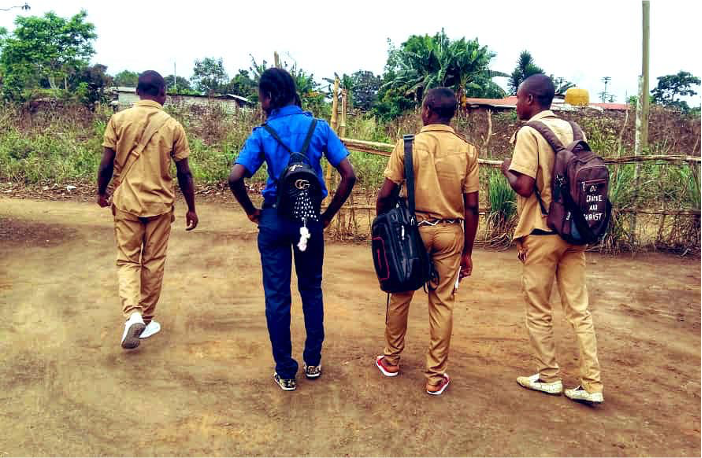
The most recent of Espace Opoko’s victories came with the purchase of a transport vehicle to carry indigenous students on the 100-mile journey between home and high school. Along with this transportation arrangement, the organization provides a rented apartment, clothing, hygienic products, and a modest stipend to pay for essentials like food and books. Averty insists that a lack of basic resources can often bring great trauma in students’ lives. Dirty and smelly clothes, for example, build on longstanding stigmas and ostracization of indigenous communities.
Young Congolese aspiring to go to university have only one state-funded option, located in the capital city of Brazzaville. This, to keep in mind, for a population of well over five million, 40% of whom are under the age of 15. It becomes stunningly clear why Averty radiates joy at the mention of Espace Opoko’s three students studying at university level – the very first in their community to do so.
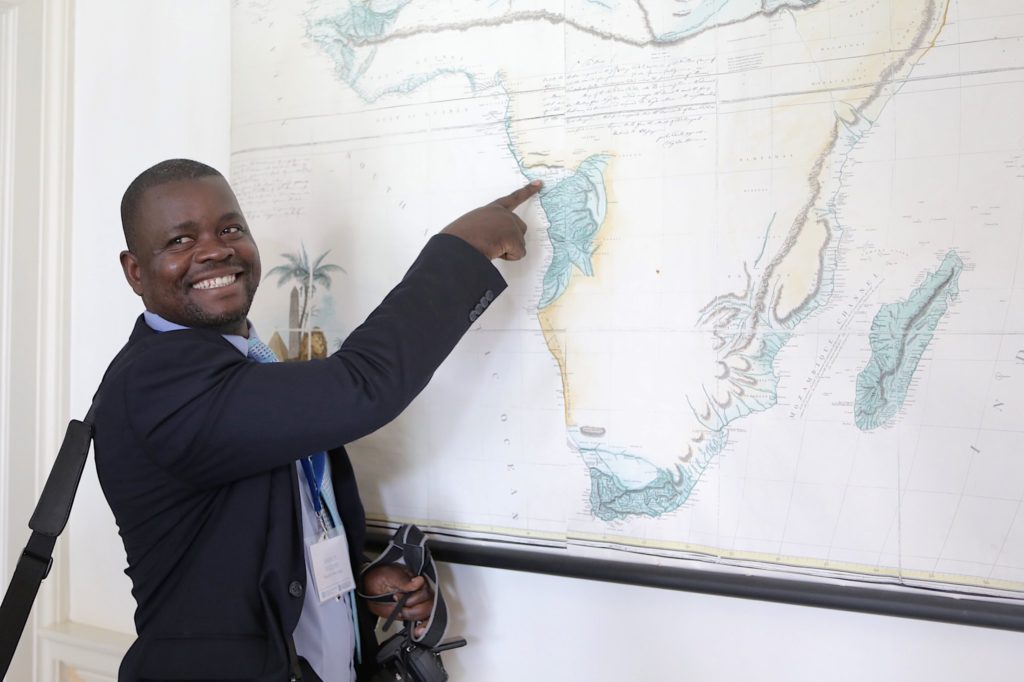
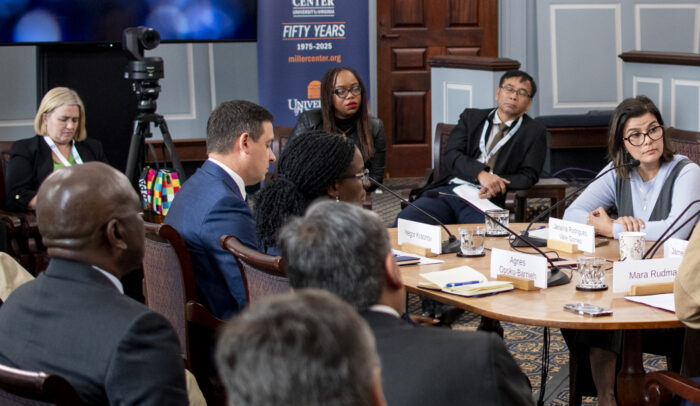
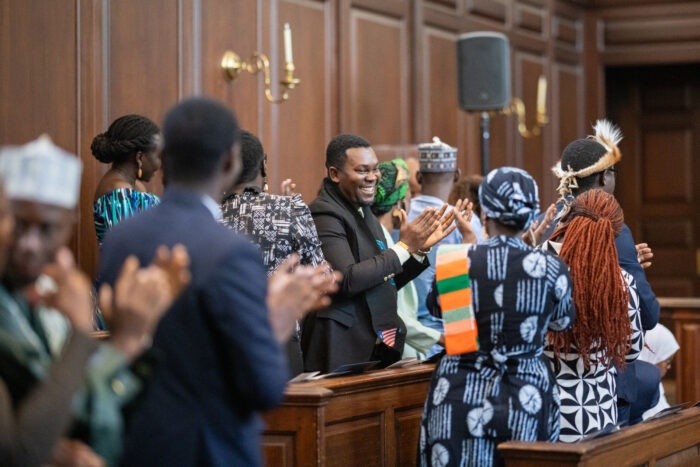
Averty is quick to assert that “it would not be possible to have these results without participation in the Mandela Washington Fellowship.” When he arrived at the Presidential Precinct in 2015, Averty had invested years into laying the groundwork for Espace Opoko’s model. His Fellowship came at a critical juncture when the organization was able to leverage more outside support and build a sustainable model for replicating its work into new indigenous communities. With Espace Opoko estimating a population of over 100,000 indigenous people in the Republic of the Congo, Averty’s dream of equal access for all Congolese requires great partnerships.
What Comes Next
Now, setting his sights beyond the Coronavirus pandemic, Averty has launched fundraising campaigns for two new capital assets. His first goal is to build a literacy center for his home town of Bambaba. This would serve as the organization’s home base and offer support to area primary school students and their families. Averty is also searching for land in the larger city of Sibiti, where Espace Opoko has been driving indigenous students to secondary school and even paying rent for them in some cases. On this land, the organization hopes to build a boarding facility and leadership education center that could house and host students. Information about both campaigns, along with plans for new water wells, healthcare, and a community computer lab, is available on the Espace Opoko website.

Throughout the Mandela Washington Fellowship and other programs here at the Precinct, we give frequent and merited honor to Nelson Mandela’s infamous claim that “Education is the most powerful weapon which you can use to change the world.” Mandela is also credited with saying “There can be no keener revelation of a society’s soul than the way in which it treats its children.” On these very principles, Averty and his team at Espace Opoko are changing the futures of indigenous children. It may, really, not be much of a leap to say they are changing the future of the Republic of the Congo and our world as well.
—
The Mandela Washington Fellowship for Young African Leaders is a program of the U.S. Department of State with funding provided by the U.S. Government and administered by IREX. The Presidential Precinct is a sub-grantee of IREX and is implementing a U.S.-based Leadership Institute as a part of the Fellowship. For more information about the Mandela Washington Fellowship, please visit the Fellowship’s website at www.mandelawashingtonfellowship.org