Laying the Foundation for a More Peaceful Zimbabwe
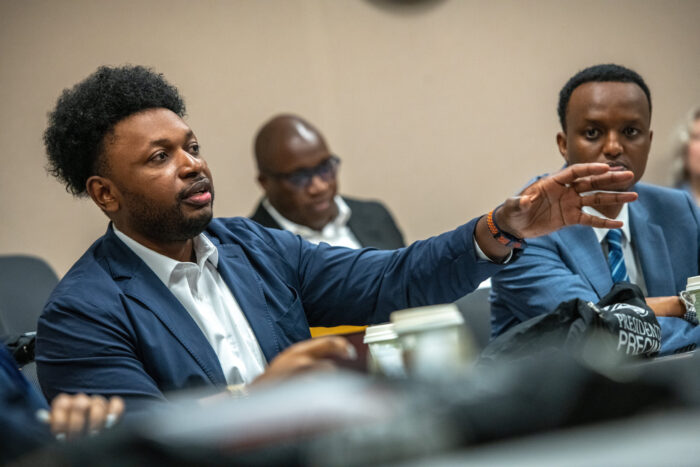
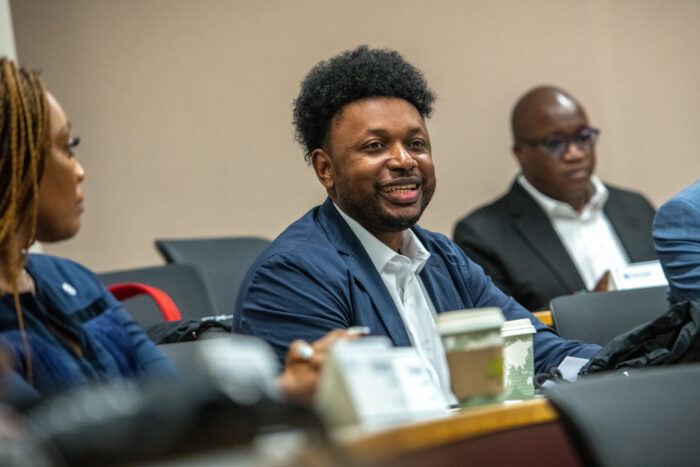
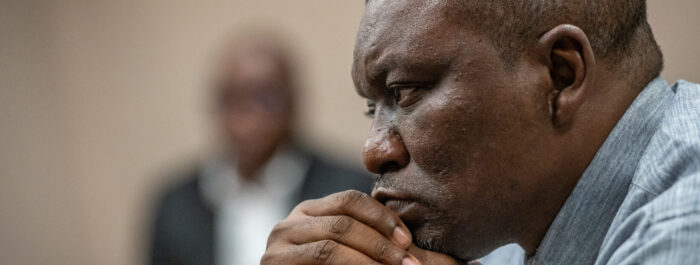
Dzikamai Bere is a human rights lawyer based in Harare, Zimbabwe. He is a 2017 alumnus of the Mandela Washington Fellowship at the Presidential Precinct. Through his work with the National Transitional Justice Working Group (NTJWG), Dzikamai is committed to a future for Zimbabwe that is marked by human rights and justice for all citizens.
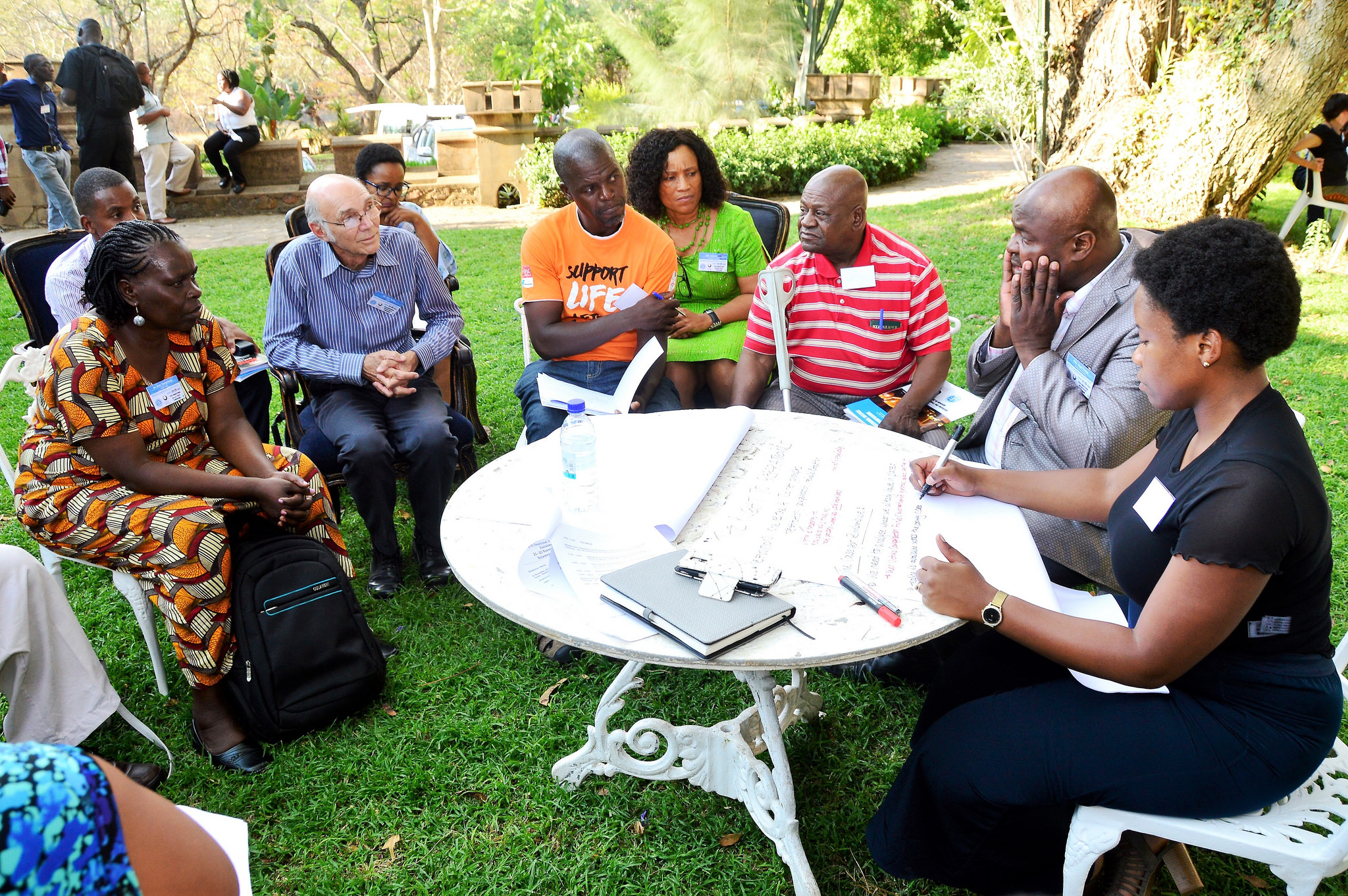
In a recent report, Dzikamai offered two glimpses of hope for his country. Through two gatherings of likeminded institutions, his work has intensely communicated the urgency of justice for those suffering in Zimbabwe. First the Transnational Justice Policy Symposium:
“The NTJWG recently met in Bulawayo to develop a transitional justice agenda for Zimbabwe. Transitional justice is a way for countries which have experienced conflict and repression to address large-scale or systematic human rights violations that are so numerous and so serious that the normal justice system would not be able to adequately do the job. Sound familiar? Zimbabwe’s years of conflict and violence are still ongoing, and victims have not had justice for the suffering they have endured. The NTJWG acknowledged Zimbabwe cannot move forward without dealing with our violent history – from the colonial era to the present day. As the symposium considered essential elements for a transitional justice agenda in Zimbabwe, group discussions centered around the right to know the truth, a guarantee of non-recurrence, the right to reparations, and the right to justice.”
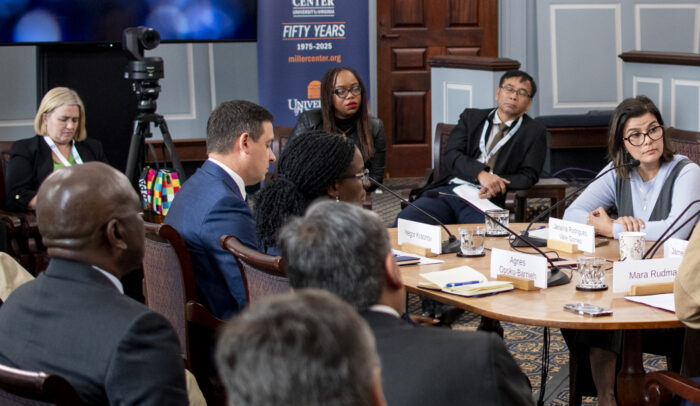
Driving ahead his work with the National Transitional Justice Working Group (NTWG), Dzikamai also spoke at the United Nations’ recent launch of the global report, Pathways for Peace: Inclusive Approaches to Preventing Violent Conflict in Harare. The Report is a joint United Nations–World Bank Group study that originates from the conviction that the international community’s attention must urgently be refocused on prevention. In the company of the Zimbabwean Vice President, Kembo Mohadi, Dzikamai stated:
“There are, in this world, a few things that give me hope.
One of them is my 4-year-old daughter, who, when the door is opened at night, jumps out with unmatched excitement, unafraid of the dark and is fascinated by stars. They are beautiful, so she tells me, even when it’s so dark.
The other thing that gives me hope is the realization that despite all the tragedies of this day, there are many among us who are committed to peace. They are stars that shine down upon the darkness of our world. This is why I am so happy to be part of this discussion today and would like to congratulate the United Nations and the World Bank Group for the report Pathways for Peace – the fruit of an intense study on the ‘how’ part of peace building.
Allow me ladies and gentlemen to take you on a journey not so pleasurable. The one we would all rather ignore and not talk about. A journey into the house that we have built.
We live in a country with a rich legacy of violence, dating back to the colonial state, which was built upon a powerful infrastructure of violence. So strong was the infrastructure of violence such that over 35 000 people died in an attempt to dismantle the system. And as we walked into independence, we told ourselves, “The sins of the past stand forgiven and forgotten.” But Lo, two years down the line, our nation plunged into another blood conflict. 1982 to 1987, Gukurahundi. Over 20 000 people were killed by the Fifth Brigade in the Midlands and Matebeleland Provinces. The following decade, 1998, the Food Riots broke out and the security forces responded ruthlessly, injuring many . From 1999 to about 2005, violent farm invasions led to the displacement of 1,2 million farm workers . In 2005, then came Operation Murambatsvina. According to one Member of Parliament at the time, the operation was ‘unleashed by the state on urban dwellers with the ferocity of a Tsunami’. Over 700 000 people were displaced. In 2008, over 36 people were killed in political violence over the course of 30 days . And then August 1, 2018, the memories are just too fresh. 7 people were killed in Harare. The Zimbabwe Human Rights NGO Forum reported over 274 violations of human rights.
Ladies and gentlemen, we look at the this now, and indeed, we need to ask ourselves – where are we getting it wrong?
Nelson Mandela taught us that leadership is not positional, but it is behavioral . It is not just the role of political leadership, but everyone, including and especially women and youths. Expanding the horizon to embrace civil society, beyond NGOs, reaching people movements, embracing the magic of dialogue – the matrix of peace as a horizontal transaction, as opposed to vertical.
But how do we build a culture of dialogue? It is in the structural factors that constitute the second core element of the pathway. Do we not have a good Constitution? So where are we getting it wrong? It is not good constitutions that build peaceful countries. Rather, it is fidelity to them. In 2013, we put together a good Constitution which established independent commissions that support democracy and entrench human rights in Chapter 12. But when we fail to honour that Constitution, our pathway fails to deliver peace to our people. The results are 1 August 2018 tragedies and many other untold tragedies.
Ladies and gentlemen, I am not without hope. The scripture says, Hope does not disappoint . But I know that hope is not a strategy . We cannot simply hope, against all scientific evidence, that violence will not happen even as we see hate speech increasing; many people being excluded; and, youths and young women being oppressed. Pathways for Peace gives us some suggestions on what strategies we can employ to build a peaceful nation and overcome a legacy of violence.”
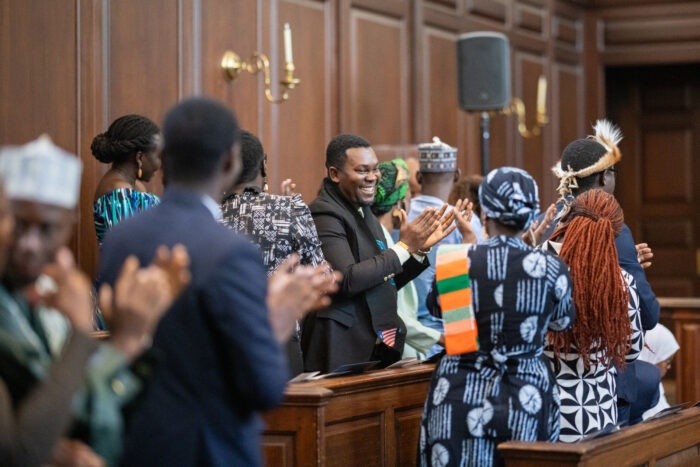
Dzikamai’s persistence and hope are clear indicators of a young leader who will ensure the future of Zimbabwe and the future of a united Africa. Thank you, Dzikamai, for your example of civic engagement, your care and concern for your country, and your commitment to re-invest your strengths in those around you.