YALI 2014 Reflections: Three Ideas to Help Sustain Africa
Gary Lawrence | AECOM
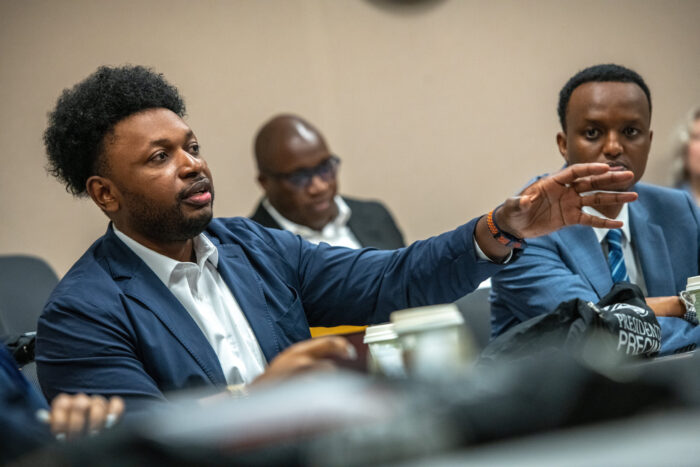
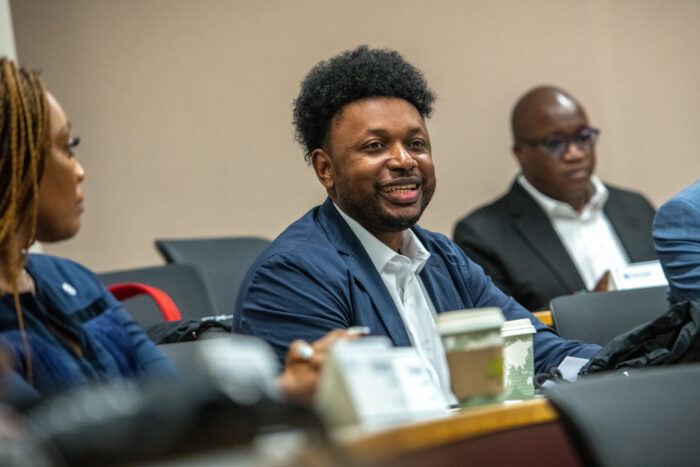
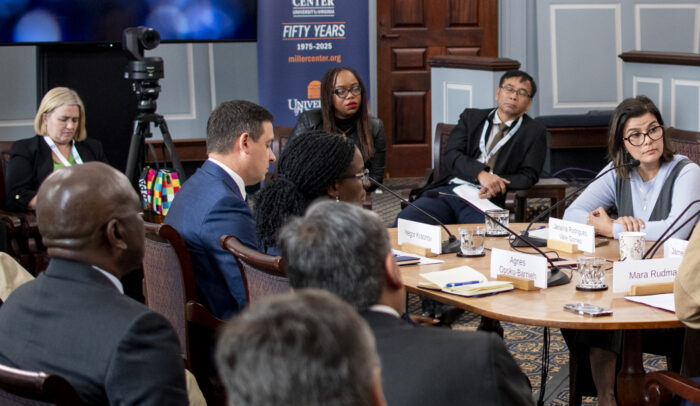
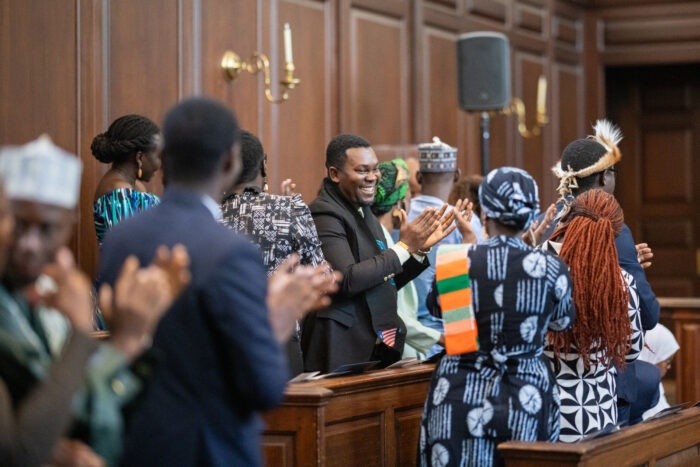
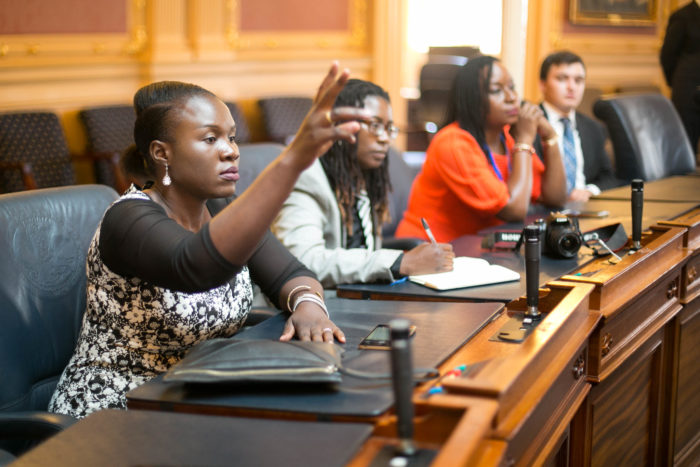
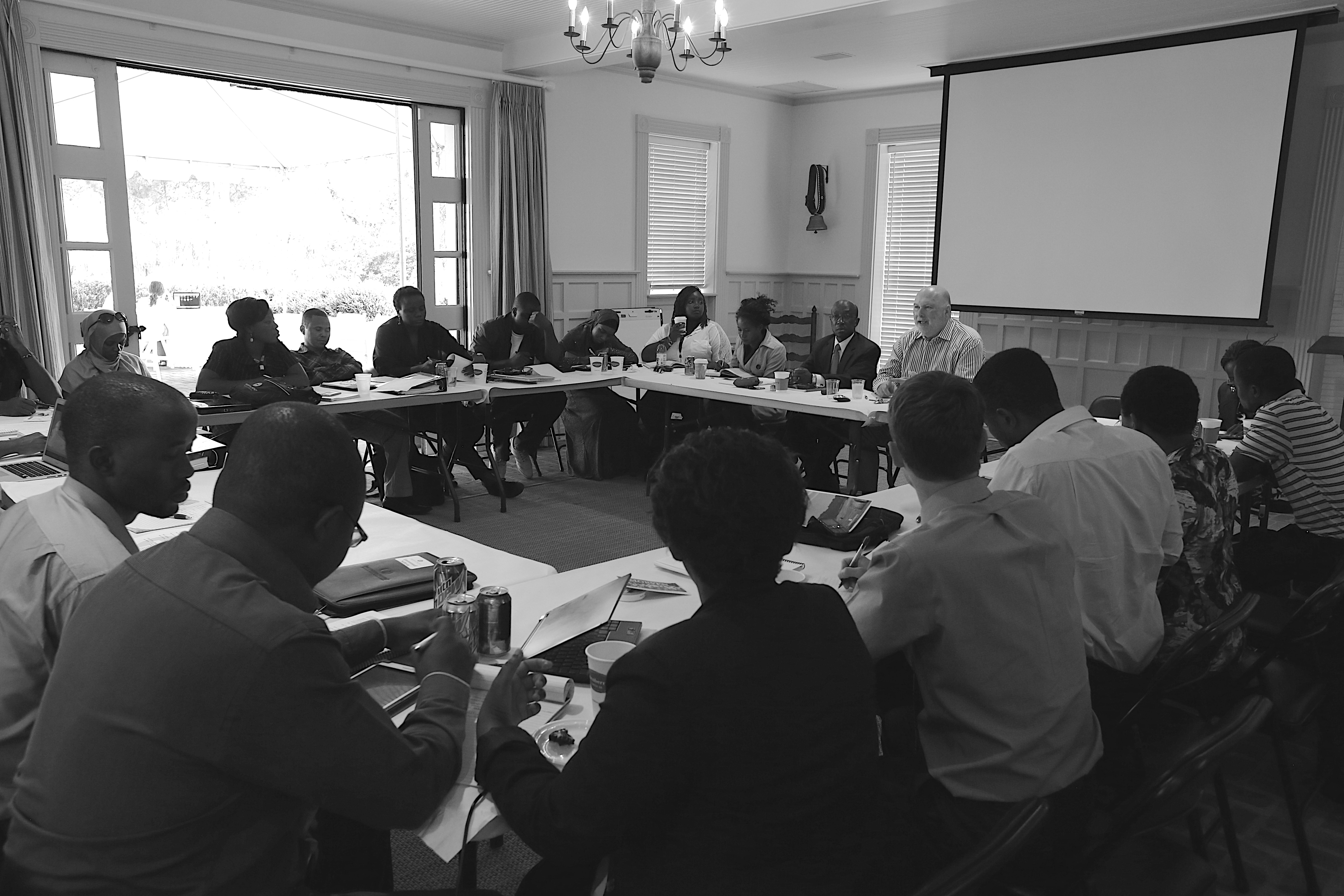
My work at AECOM is almost always very rewarding. When it is best, it involves learning and sharing to help optimize conditions for human development — the end for which sustainability activities and talents of AECOM are the means. This summer, AECOM was a sponsor for more than 20 African leaders in a program originated by President Obama — The Young African Leaders Initiative (YALI). We worked with the organizers and universities in Virginia and Washington, D.C. I was greatly honored to be asked to be a mentor to the group on sustainability. Other AECOM employees helped address other aspects of management and development.
What impressed me most was that these young people were beyond smart. At very young ages, they were also very wise. And as they engaged in bettering the institutions and communities in their home nations, they were very brave as well. It is amazing and heartening to hear them describe their initiatives, the setbacks that come with any societal innovation and changing conventional wisdom, and the vigor with which they found ways to bypass barriers and make ever more progress.
Like every continent, there are significant challenges in Africa related to health care, governance, tribalism and nostalgic impulses that create more difficulties than they resolve.
With regard to sustainability specifically, we conversed about a number of details within the context of three so sets of ideas:
- We too often allow ourselves to focus only on the attributes of problems rather than fundamentals. An example, one growing in import, is the need to address water, food, energy and civility as a nexus rather than a set of discrete ideas. One can make progress addressing water supply alone but the value proposition for any solution increases as one tries to find solutions at the intersections of these issues.
- We then talked about what I describe as “the rule of three.” That is, no sustainability problem at scale can be effectively addressed unless the solution is technically feasible, economically viable and politically acceptable. These issues are in constant flux and as one changes others, become more or less viable. A deep focus on sustainability will be constantly looking to the balance of these three elements and trying to maximize the benefits of each.
- And, the third thing we discussed were the various kinds of capital that need to be taken into account in sustainability. They are financial, natural, social and human. In one way, the YALI meeting focused on this last attribute of capital — human intellectual capacity, which is the only natural resource on the planet that is improved by use rather than diminished in use.
After spending a couple of days with these amazing young people, any doubts I had about their ability to borrow the best ideas from around the world and make them African ideas that fit within their culture for the betterment of everyone was certainly resolved.
I’m not sure what I did for them. But, they certainly empowered and energized me to work ever harder at making progress toward a better world.
 Gary Lawrence is vice president and chief sustainability officer at AECOM